Who Is a Good Candidate for Dental Implant Surgery?
Dental implants have transformed the way people approach tooth loss—offering a permanent, natural-looking solution that can restore both function and confidence. But not everyone is an ideal candidate. The success of dental implant surgery depends on several key factors, from bone density and gum health to lifestyle habits and overall medical history.
If you’ve been wondering whether implants are right for you, this guide breaks down exactly what makes someone a strong candidate—and what might give a dentist pause. By the end, you’ll have a clear picture of where you stand and what steps to take next.
At The Dental Retreat, our team works closely with each patient to assess their suitability for implants and develop a personalized treatment plan. Because the right implant starts with the right evaluation.
Understanding Dental Implant Surgery: How It Works
Before diving into candidacy, it helps to understand what dental implant surgery actually involves.
A dental implant is a small titanium post surgically inserted into the jawbone, where it acts as an artificial tooth root. Over time—typically three to six months—the implant fuses with the surrounding bone through a process called osseointegration. Once this bond is established, a custom-made crown is attached to the post, creating a restoration that looks, feels, and functions like a natural tooth.
The procedure is performed in stages and usually involves:
Initial consultation and imaging
X-rays or CT scans assess bone structure and jaw anatomy.
Implant placement
The titanium post is surgically inserted under local anesthesia.
Healing period
The implant integrates with the bone over several months.
Crown placement
The final restoration is fitted once healing is complete.
Because osseointegration is central to implant success, the health of your jawbone plays a significant role in determining whether you’re a suitable candidate.

Key Criteria for a Successful Candidate
Dental implants are not a one-size-fits-all solution. Certain physical, medical, and lifestyle factors significantly influence whether the procedure will be successful.
Age
While dental implants can be a lifelong solution, timing is crucial. Most dental professionals advise against placing implants until the jaw has finished its growth cycle. This typically occurs around the age of 18 for women and can be slightly later for men, ensuring a stable foundation for the implant.
On the other end of the spectrum, there is no upper age limit for getting dental implants. Older adults often make excellent candidates, especially if they are looking for a more permanent and comfortable alternative to dentures. The primary consideration isn’t age itself, but overall health and healing ability.
Missing or Damaged Teeth
Dental implants are an excellent solution for individuals who have lost a single tooth, multiple teeth, or even all of their teeth. They are also highly recommended for patients with severely damaged or decayed teeth that cannot be restored through other treatments such as fillings, crowns, or bridges.
Adequate Jawbone Volume
This is one of the most critical factors. The implant post needs sufficient bone to anchor into. Patients who have experienced bone loss may require a bone graft before implant surgery. While this adds time to the process, it does not necessarily rule out implants.
The Importance of Healthy Gums and Bone Density
Healthy gums and adequate bone density go hand in hand when it comes to implant success.
Gum Health
Active gum disease (periodontitis) is one of the leading reasons implant surgery may be delayed. Bacteria from infected gum tissue can compromise the implant site and interfere with healing. Fortunately, gum disease is treatable, and patients can often proceed with implants once their gums are healthy.
Bone Density
The jawbone naturally shrinks when a tooth is lost. The longer a tooth has been missing, the greater the bone loss. Low bone density can make it difficult for the implant to fuse securely.
Bone grafting can rebuild the necessary structure, allowing implant surgery to proceed after healing.
Health Considerations and Medical History
Overall health plays a major role in candidacy. Dental implant surgery is a minor surgical procedure, and certain medical conditions can affect healing.
Conditions That Require Careful Evaluation
-
Diabetes
-
Osteoporosis
-
Autoimmune disorders
-
Cancer treatment history
-
Heart conditions
Each of these may impact healing or require special precautions.
Medications to Disclose
Always inform your dental team about any medications you’re taking, including over-the-counter drugs and supplements, as they may affect surgery outcomes.
Lifestyle Factors: Smoking and Oral Hygiene Habits
Daily habits significantly influence implant success.
Smoking
Smoking is a major risk factor. It restricts blood flow, slows healing, and increases the likelihood of implant failure. Dentists often recommend quitting or reducing smoking before and after surgery.
Oral Hygiene
Good oral hygiene is essential. Brushing, flossing, and regular dental visits help prevent infection and ensure long-term success.
Teeth Grinding (Bruxism)
Teeth grinding places excessive pressure on implants. Patients may still qualify but are often advised to use a custom nightguard.
The Consultation Process at The Dental Retreat
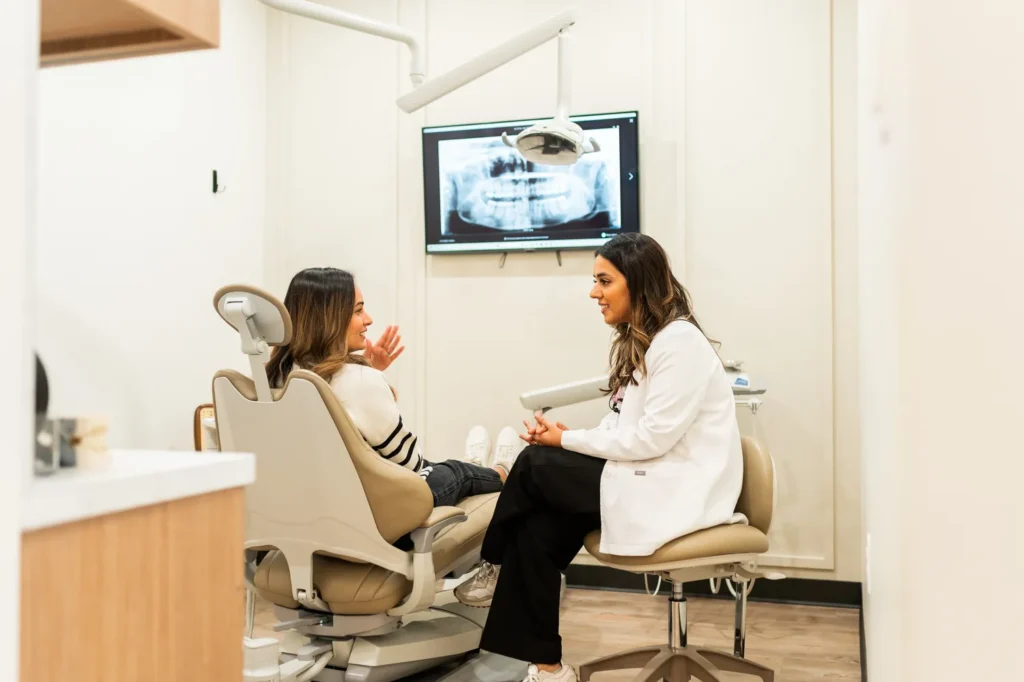
Determining candidacy requires a professional evaluation. Here’s what the process typically includes:
Comprehensive examination
Assessment of teeth, gums, and bite alignment.
Advanced imaging
Digital X-rays or 3D scans to evaluate bone structure.
Detailed medical history review
Review of health conditions, medications, and lifestyle factors.
Customized treatment planning
A tailored plan that may include preparatory treatments.
Transparent communication
Clear discussion of procedures, costs, and expectations.
If you’re not immediately eligible, the team will guide you on steps to become a candidate.
Taking the Next Step Toward Your New Smile
Dental implants offer a reliable, long-lasting solution—but success starts with proper candidacy assessment. Healthy gums, strong bone density, good overall health, and consistent oral hygiene are key.
The best way to determine if implants are right for you is through a professional consultation. At The Dental Retreat, expert guidance is available every step of the way.
Ready to take the next step? Book your consultation and begin your journey toward a confident, lasting smile.
The Dental Retreat
https://www.google.com/maps?cid=12091687882530918159
28047 Stockdick School Rd #200, Katy, TX 77493
(281) 717-6696
https://dentalretreattx.com/