What to Expect During the Dental Implant Healing Process
Getting a dental implants is a great way to replace a missing tooth and restore your smile, but the procedure is only the first step. The aftercare is just as crucial as the surgery itself. Knowing what to expect during the healing process can help you recover more quickly, prevent complications, and protect your investment in a healthier smile for years to come.
At The Dental Retreat, we want our patients to feel informed and confident. This guide will walk you through each stage of your recovery, whether you’re just getting ready for your procedure or are already on the road to healing. We’ll cover everything from the critical first 48 hours after surgery to the long-term habits that will keep your implant secure and looking great for decades.
The First 24 to 48 Hours After Surgery
The immediate aftermath of dental implant surgery is when your body kicks its healing response into high gear. It’s completely normal to experience some bleeding, swelling, and discomfort during this window. Here’s what to expect:
-
Bleeding: Light bleeding or oozing at the implant site is normal for the first few hours. Bite down gently on gauze pads provided by your specialist to help control it.
-
Swelling: Facial swelling typically peaks around the second day. Don’t be alarmed—this is your body’s natural inflammatory response.
-
Fatigue: Anesthesia and the physical demands of surgery can leave you feeling tired. Rest is not optional; it’s essential.
Avoid touching the implant site with your tongue or fingers, and steer clear of rinsing your mouth vigorously during the first 24 hours. Disturbing the surgical site can dislodge the blood clot that forms to protect the wound.

Managing Discomfort: Pain Relief and Swelling Reduction
Mild to moderate discomfort is a normal part of the early recovery process. Fortunately, it’s very manageable with the right approach.
Pain Relief
Your specialist at The Dental Retreat will typically recommend over-the-counter pain relievers such as ibuprofen or acetaminophen. In some cases, a prescription medication may be provided. Always follow the dosage instructions given to you—don’t wait until the pain becomes severe before taking your first dose.
Reducing Swelling
Applying an ice pack to the outside of your cheek for 20 minutes on, 20 minutes off during the first 24 to 48 hours can significantly reduce swelling. After the 48-hour mark, switching to a warm compress can help improve circulation and promote healing.
Keeping your head elevated while resting—even while sleeping—also helps minimize swelling. Propping yourself up with an extra pillow is a simple but effective strategy.
Dietary Guidelines: What to Eat and What to Avoid
What you eat during the first few weeks of recovery plays a big role in how smoothly the healing process goes.
Foods to Embrace
Stick to soft, easy-to-chew foods that won’t put pressure on the implant site. Good options include:
-
Yogurt, smoothies, and protein shakes
-
Scrambled eggs and soft-cooked oatmeal
-
Mashed potatoes, soft-cooked vegetables, and avocado
-
Soups and broths (not too hot)
These foods provide the nutrition your body needs to heal without placing unnecessary stress on the surgical site.
Foods to Avoid
For the first few weeks, stay away from:
-
Hard or crunchy foods like nuts, chips, and raw carrots
-
Chewy foods like steak and crusty bread
-
Sticky foods like caramel and chewing gum
-
Hot beverages and alcohol, which can interfere with healing
-
Straws, as the suction can disrupt the healing tissue
As healing progresses, your specialist will give you the green light to gradually reintroduce more foods into your diet.
The Osseointegration Phase: How Your Implant Fuses with Bone
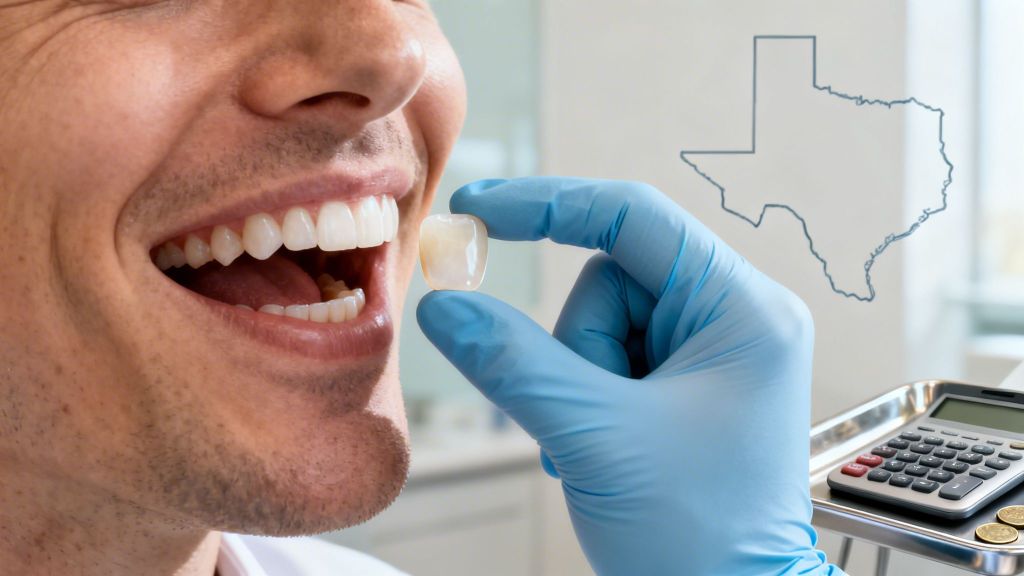
One of the most fascinating aspects of dental implant surgery is a process called osseointegration—the fusion of the titanium implant post with your jawbone. This is what gives dental implants their unmatched stability and makes them feel just like natural teeth.
Osseointegration typically takes between three to six months, though this can vary based on factors like your overall health, bone density, and how closely you follow your aftercare instructions. During this phase, the bone tissue grows around and bonds to the implant, anchoring it firmly in place.
You won’t feel this process happening, but it’s the foundation of everything that follows—including the placement of the final crown. Patience during this phase pays off significantly. Rushing it by ignoring dietary restrictions or skipping follow-up appointments can compromise the outcome.
Oral Hygiene Best Practices During Recovery
Keeping your mouth clean during the healing process is critical, but you’ll need to modify your usual routine slightly to avoid disturbing the implant site.
In the First Few Days
Avoid brushing directly over the implant site for the first couple of days. Your specialist may recommend a gentle saline rinse or a prescribed antibacterial mouthwash to keep the area clean without irritation.
After the First Week
Once the initial healing has progressed, you can gently brush around the implant site using a soft-bristled toothbrush. Be thorough but gentle—aggressive brushing can cause unnecessary trauma to the gum tissue.
Long-Term Oral Hygiene
Flossing around dental implants requires a slightly different technique than flossing natural teeth. Implant-specific floss or an interdental brush can help you clean the area effectively. Water flossers are another great option, as they remove debris without putting pressure on the surrounding gum tissue.
At The Dental Retreat, our specialists are happy to walk you through the best hygiene techniques for your specific implant placement during your follow-up appointments.
Warning Signs: When to Contact Your Specialist
While some discomfort and swelling are expected, certain symptoms signal that something may need attention. Contact The Dental Retreat promptly if you experience:
-
Severe or worsening pain: If the pain continues to intensify or does not improve despite taking prescribed pain medication, it could signal a problem that needs attention.
-
Excessive bleeding: Bleeding that doesn’t slow down or stop after applying firm pressure for several minutes may indicate an issue that requires professional care.
-
Signs of infection: Watch for symptoms such as fever, the presence of pus, redness, swelling, or a persistent foul taste in the mouth.
-
Implant mobility: A dental implant service should remain secure and stable. If it feels loose or moves, it could mean the implant is not integrating properly with the bone.
-
Persistent numbness or tingling: If numbness or tingling sensations in the mouth, lips, chin, or surrounding areas last beyond the first couple of days, it may suggest nerve irritation or damage.
-
Swelling that worsens after 48 hours: While some swelling is normal after surgery, any swelling that increases beyond the two-day mark rather than improving could point to complications.
Early intervention is the key to resolving complications before they become serious. Don’t hesitate to call the practice if something doesn’t feel right—your care team would always rather hear from you.

Long-Term Care: Protecting Your Investment
A dental implant, when cared for properly, can last a lifetime. The good news is that long-term maintenance isn’t complicated—it mostly mirrors the habits of good general oral hygiene.
Regular Dental Check-Ups
Routine check-ups and professional cleanings are essential. During these visits, your specialist can monitor the health of the implant, the surrounding gum tissue, and the underlying bone structure. Most patients visit The Dental Retreat every six months, though your specialist may recommend more frequent appointments depending on your individual needs.
Avoid Habits That Strain the Implant
Certain habits can put excessive pressure on dental implants over time. Teeth grinding (bruxism) is one of the most common culprits. If you grind your teeth at night, ask your specialist about a custom nightguard to protect both your implant and your natural teeth.
Avoid using your teeth—implanted or natural—as tools. Opening packaging, biting fingernails, or chewing on pens can all cause micro-damage that adds up over time.
Lifestyle Factors That Affect Implant Longevity
Smoking significantly impairs the body’s ability to heal and is one of the leading causes of implant failure. If you smoke, quitting before and after surgery dramatically improves your chances of a successful, long-lasting outcome.
A diet rich in calcium and vitamin D also supports strong bones, which in turn supports the structural integrity of your implant over the years.
Your Path to a Lasting, Confident Smile
Recovering from implant surgery is a gradual process—but it’s one that pays off enormously. By following your aftercare instructions, staying vigilant for warning signs, and maintaining strong oral hygiene habits, you give your implant the best possible foundation for long-term success.
At The Dental Retreat, we’re with you at every stage of this journey. From your initial consultation through to your final crown placement and beyond, our team is committed to providing the guidance and support you need to recover comfortably and confidently.
If you have questions about your recovery or would like to schedule a follow-up appointment, don’t hesitate to reach out to The Dental Retreat. A healthy, lasting smile is well within reach.
The Dental Retreat
https://www.google.com/maps?cid=12091687882530918159
28047 Stockdick School Rd #200, Katy, TX 77493
(281) 717-6696
https://dentalretreattx.com/