Are Dental Implants Safe? What Patients Need to Know
Dental implants have become one of the most popular and effective solutions for replacing missing teeth, and it’s easy to see why. They offer a seamless, natural look, function just like real teeth, and can last a lifetime with the right care. However, as with any surgical procedure, a critical question often arises for prospective patients: are dental implants truly safe?
The straightforward answer is a resounding yes. Dental implants have a long-standing history of safety and success. However, a simple “yes” doesn’t cover the full picture. Understanding why they are considered safe, what the procedure actually entails, and what you can do to ensure the best possible outcome is crucial for anyone considering this treatment. In this comprehensive guide, we’ll explore everything you need to know about the safety of dental implants, from the materials used to the surgical process and what you can expect during recovery, so you can make an informed decision with confidence.
The Safety Profile of Dental Implants
Dental implants have been used in clinical practice for over 40 years. They’re one of the most well-researched procedures in modern dentistry, backed by decades of clinical trials and long-term studies.
According to the American Academy of Implant Dentistry, dental implants have a success rate of up to 98%. That figure reflects not just short-term outcomes, but sustained results observed over 10 years or more. The titanium used in implant posts is biocompatible, meaning the body rarely rejects it. Over time, the post fuses directly with the jawbone through a process called osseointegration—creating a stable, permanent anchor for the replacement tooth.
Complications do occur, but they’re relatively uncommon when the procedure is performed by a qualified professional and aftercare instructions are followed. The key factors influencing safety are patient selection, surgical technique, and post-operative care.

Understanding the Procedure
Initial Consultation and Planning
Everything begins with a thorough assessment. Your dentist will evaluate your oral health, review your medical history, and take X-rays or 3D scans to assess jawbone density and structure. This stage determines whether you’re a good candidate and helps your provider plan the surgical placement with precision.
Surgical Placement
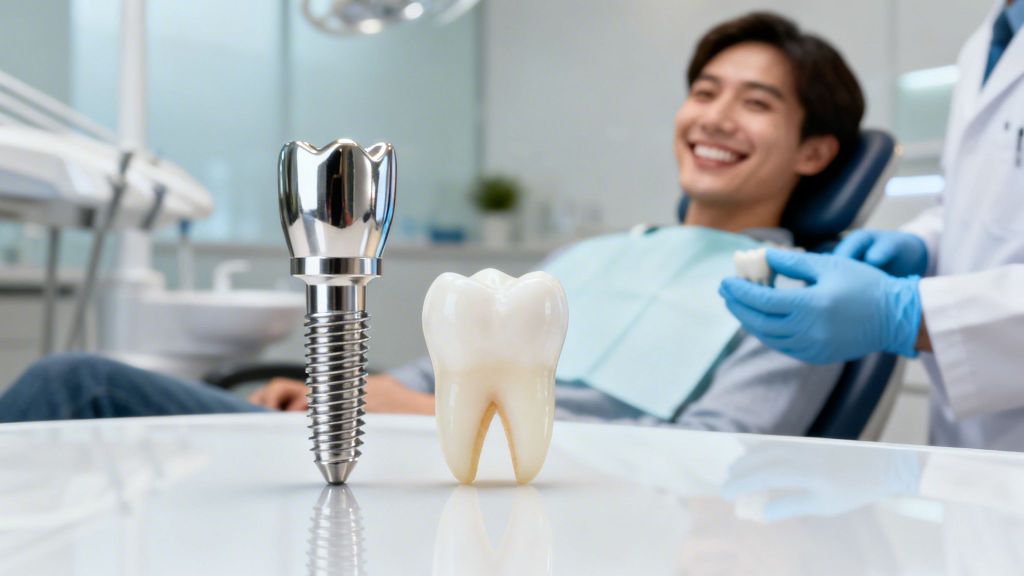
The implant post—a small titanium screw—is placed directly into the jawbone under local anesthesia. Most patients report that the procedure itself is far less uncomfortable than they expected. Sedation options are available for patients with dental anxiety, and the surgery typically takes one to two hours depending on the complexity of the case.
Healing and Osseointegration
After placement, the healing phase begins. Osseointegration—the process by which the implant fuses with the bone—takes anywhere from three to six months. During this period, a temporary restoration may be placed to maintain aesthetics and function. Once the implant has fully integrated, the permanent crown is attached.
Who Is a Good Candidate?
Dental implants are suitable for most healthy adults who have lost one or more teeth. However, certain factors can influence your eligibility and the likelihood of success.
Favorable factors include:
-
Good overall health and oral hygiene
-
Adequate jawbone density to support the implant
-
Non-smoker status (or willingness to quit during the healing period)
-
Healthy gum tissue free from active periodontal disease
Factors that may require additional consideration:
-
Uncontrolled diabetes or autoimmune conditions
-
Significant bone loss (which may require a bone graft prior to implant placement)
-
Heavy smoking, which can impair healing and increase the risk of implant failure
-
Certain medications, such as bisphosphonates, that affect bone metabolism
None of these factors automatically disqualify a patient. Many people with complex health backgrounds successfully receive implants after appropriate planning and preparation. A thorough consultation with an experienced implant dentist is the best way to understand your individual eligibility.
The Recovery Process
Immediate Post-Operative Care (Days 1–7)
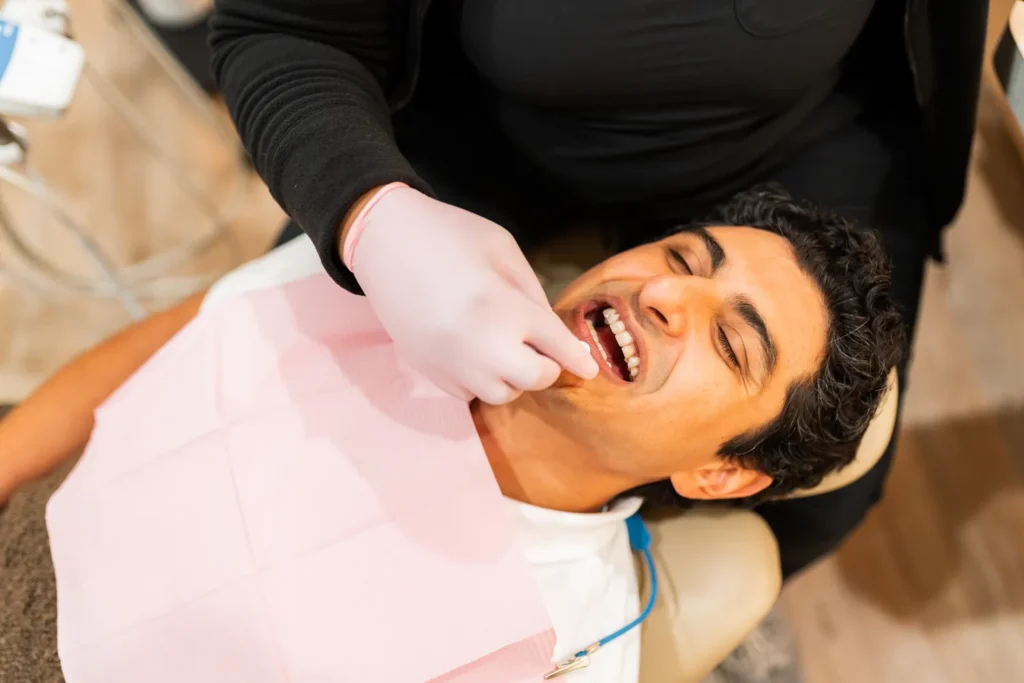
Some swelling, bruising, and mild discomfort are normal in the first few days following surgery. Your dentist will provide specific aftercare instructions, which typically include:
-
Taking prescribed pain relief or anti-inflammatories
-
Applying ice packs to reduce swelling
-
Eating soft foods and avoiding hot beverages
-
Keeping the surgical site clean without disturbing it
Most patients can return to work or normal activities within a few days.
Short-Term Healing (Weeks 2–8)
As the initial swelling subsides, you’ll gradually resume normal eating habits. Any stitches (if not dissolvable) are usually removed within two weeks. Your dentist will schedule follow-up appointments to monitor healing and check that osseointegration is progressing as expected.
Long-Term Maintenance
Once the final crown is placed, caring for your implant is straightforward. Brush twice daily, floss regularly, and attend routine dental check-ups. Unlike natural teeth, implants can’t develop cavities—but the surrounding gum tissue can still be affected by gum disease if oral hygiene is neglected. With consistent care, implants can last 15 to 25 years or longer.
Potential Risks and How to Minimize Them
Infection at the Implant Site
This is one of the more common, yet preventable, risks. An infection can develop in the gums and bone surrounding the new implant, particularly in the days and weeks following surgery. Meticulous oral hygiene—including gentle brushing around the area as instructed and using any prescribed antibacterial rinses—is the most effective way to prevent this. Adhering strictly to your dentist’s post-operative care plan is crucial for a clean and successful healing process.
Implant Failure (Lack of Osseointegration)
In rare cases, the implant may fail to fuse properly with the jawbone. This can lead to the implant becoming loose or falling out. While uncommon, the risk is significantly higher for individuals who smoke, as smoking impairs the body’s healing ability. Patients with certain uncontrolled systemic diseases may also face a greater risk.
Nerve or Tissue Damage
While extremely rare, there is a slight risk of damage to surrounding nerves, blood vessels, or adjacent teeth during the implant placement procedure. This can result in pain, numbness, or tingling. This risk is minimized when performed by an experienced clinician using advanced imaging techniques.
Peri-implantitis
This is an inflammatory condition affecting tissues around the implant, similar to gum disease. It is primarily caused by bacterial buildup due to inadequate oral hygiene. If untreated, it can lead to implant loss. Regular dental check-ups are essential for early detection and treatment.
The Role of Technology in Improving Safety
Modern implant dentistry increasingly relies on digital planning tools and guided surgery technology. These allow clinicians to plan implant placement with exceptional accuracy before surgery begins, reducing risks and improving outcomes.
Why Choose The Dental Retreat
Choosing the right provider is just as important as choosing the right procedure. At The Dental Retreat, we prioritize patient safety, comfort, and personalized care.
Our team combines expertise with advanced diagnostic technology to create tailored treatment plans. From consultation to long-term care, we focus on transparency, quality, and trust—ensuring every patient receives care aligned with their unique needs.
Dental Implants Are a Long-Term Investment Worth Making
For eligible patients, dental implants are one of the most effective and durable tooth replacement options available. With a strong safety record and long-term benefits, they offer restored function, confidence, and oral health.
The key is having the right information and the right provider. A confident, healthy smile starts with an informed decision.
The Dental Retreat
https://www.google.com/maps?cid=12091687882530918159
28047 Stockdick School Rd #200, Katy, TX 77493
(281) 717-6696
https://dentalretreattx.com/