If you’ve just had a tooth removed, you’re probably feeling two things at once. Relief that the problem tooth is finally out, and concern about what your face will look and feel like over the next day or two.
That concern is normal. Swelling after a tooth extraction can feel unsettling, especially when it starts to build a few hours after you get home. For many patients in Katy, TX, that’s the moment they start searching for how to reduce swelling after tooth extraction and wondering what works, what doesn’t, and when they should call their dentist.
Good aftercare makes a real difference. The right steps can help you stay more comfortable, protect the healing area, and avoid mistakes that make swelling worse. Calm, steady care matters just as much as the extraction itself.
At a practice serving patients throughout Katy, Sunterra, Cane Island, Elyson, and nearby neighborhoods, post-extraction recovery should feel supported, not confusing. If you’re preparing for a procedure, it also helps to review how to prepare for tooth extraction so recovery starts on the right foot.
Navigating Your Recovery After a Tooth Extraction in Katy
A common pattern happens after an extraction. You get home, the numbness starts to wear off, and by evening your cheek feels fuller than expected. Patients often assume something has gone wrong.
Most of the time, it hasn’t.
Swelling is part of your body’s normal response to surgery. Your tissues react to the procedure, fluid moves into the area, and the face can look puffy for a short period. That reaction is especially common after more involved extractions, such as wisdom teeth or teeth with deep roots.
What swelling usually means
In plain terms, swelling is your body protecting and repairing the area. It doesn’t automatically mean infection, and it doesn’t mean the extraction failed.
What matters is how that swelling behaves.
- Expected swelling usually builds gradually, feels tender, and then settles down over the next several days.
- Concerning swelling keeps getting worse, feels disproportionate, or comes with other symptoms like fever, a bad taste, or trouble swallowing.
Comfort matters: Recovery goes better when patients know what’s normal. Worry drops when you can tell the difference between expected healing and a true problem.
Why patients often make swelling worse
The biggest mistakes usually happen early. People hold ice on too long without breaks, lie flat, return to normal meals too quickly, or test the area with their tongue over and over.
None of that helps.
After an extraction, the first goal is simple. Protect the blood clot, control inflammation, and avoid extra pressure on the surgical area. The more smoothly the area heals, the better you tend to feel.
A calm recovery is usually a better recovery
Patients often think recovery requires doing a lot. In reality, the best plan is usually focused and gentle.
That means:
- Use the right kind of cold therapy
- Rest with your head propped up
- Take medication exactly as directed
- Choose soft foods
- Avoid habits that disrupt the clot
This isn’t complicated care. It’s consistent care.
If you’re in Katy Manor, Kingscrossing, Lakehouse, or Ventanna Lakes and you’ve recently had a tooth extraction, the most important thing to know is that swelling can be managed. You don’t need to guess your way through the next few days. You need a clear plan.
Immediate Care Your First 48 Hours After Tooth Extraction
The first two days matter most. This is the phase when swelling develops fastest, and it’s the window where your actions have the biggest effect.
Start with cold therapy and elevation. Those two steps do more than most patients realize.
Use ice the right way
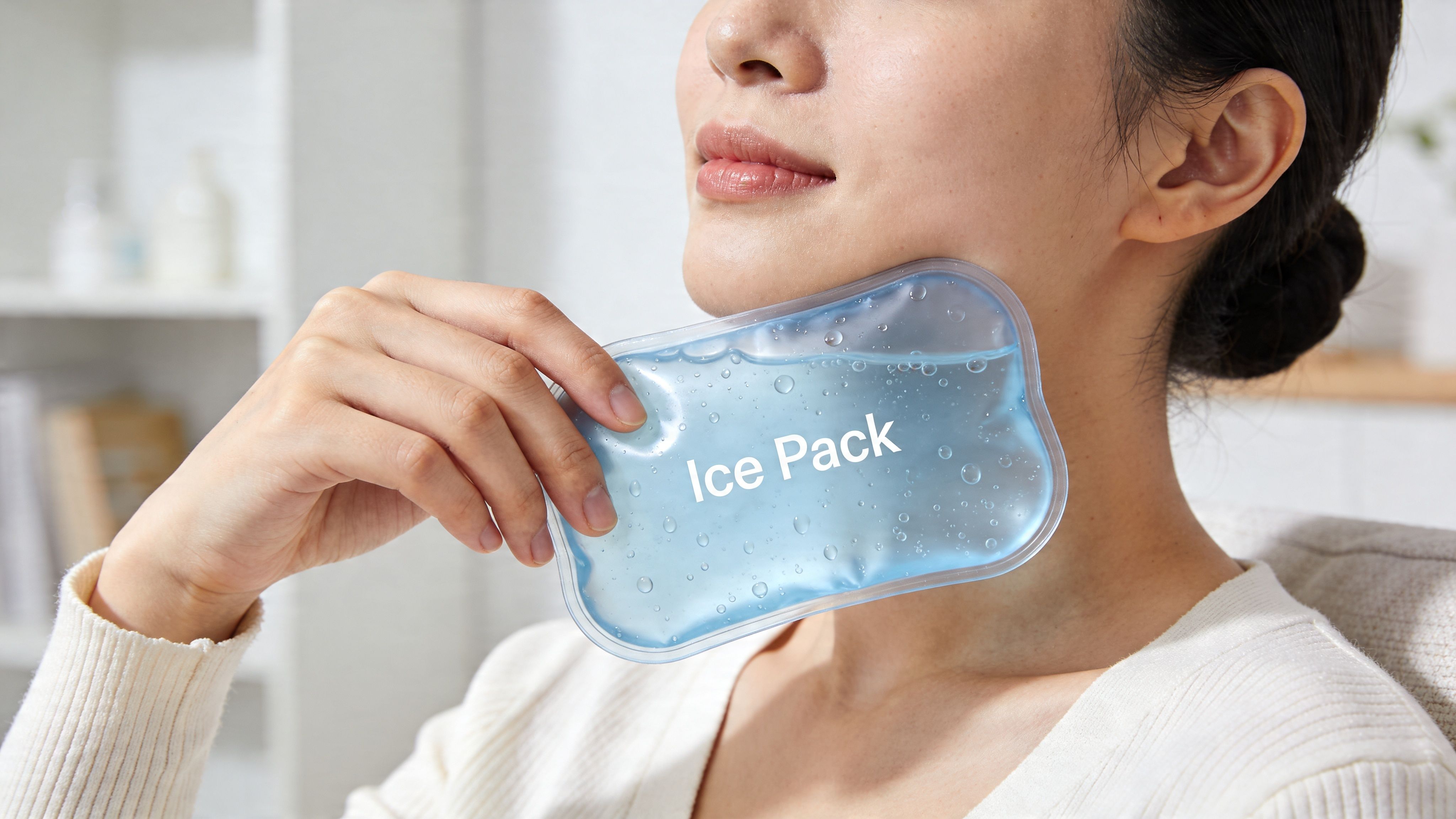
Don’t place ice directly on the skin. Wrap an ice pack or bag of ice in a thin cloth and rest it against the outside of your cheek on the side of the extraction.
The most useful schedule is specific. The gold standard for post-operative care is to apply a wrapped ice pack 20 minutes on, 20 minutes off, continuously while awake for the first 36 hours, while keeping your head propped up with extra pillows. According to this post-extraction guidance from WDF Dental, following that protocol can minimize peak swelling by 50-70% and reduce pain scores by 40% in the days after extraction.
That timing matters. Short cycles cool the tissues without overdoing it.
What doesn’t work as well:
- Keeping ice on constantly: That can irritate tissues instead of helping them.
- Starting late: Ice works best early, not after swelling has fully set in.
- Using heat on day one: Warmth can increase swelling in the immediate post-op period.
Keep your head above your heart
Many patients remember the ice and forget the position of their body. That’s a mistake.
When you lie flat, fluid tends to collect more easily in the surgical area. Sleeping with extra pillows helps limit that buildup. Even during the day, recline rather than fully lying down if you can.
A few practical habits help:
- Sleep propped up: Use extra pillows the first couple of nights.
- Rest instead of pacing: Frequent bending and moving around can increase pressure.
- Avoid face-down sleeping: That can add pressure to the tender side.
Swelling control isn’t only about what you put on your cheek. It’s also about how you position your body for the first two days.
Protect the clot while you manage swelling
Patients sometimes focus so much on swelling that they forget the extraction site itself needs protection. The blood clot in the socket is essential to healing.
For that reason:
- Don’t spit forcefully
- Don’t rinse aggressively on the first day
- Don’t use a straw
- Don’t smoke
- Don’t poke the area with your tongue or fingers
Each of those can disturb the clot and create more pain later.
What your first day should actually look like
A good recovery day is quiet and repetitive. You rest, use your ice pack on schedule, take medications as instructed, drink fluids carefully, and eat only if you’re ready for soft foods.
That’s enough.
Later in the day, if you want a simple visual explanation of basic recovery habits, this video can help reinforce the routine:
What works versus what feels helpful
Some things feel soothing but aren’t ideal in the first 48 hours.
| Approach | Good choice in first 48 hours | Better to avoid early |
|---|---|---|
| Temperature | Cold compresses | Warm compresses |
| Rest position | Head elevated | Lying flat |
| Fluids | Sip from a cup | Drinking through a straw |
| Activity | Light rest | Exercise, lifting, bending |
If you follow those basics closely, you give yourself the best chance of a smoother first couple of days after tooth extraction.
Managing Discomfort with Medication and Gentle Home Remedies
Once the earliest recovery window passes, patients usually ask a different question. The swelling may be under better control, but the jaw can still feel sore, stiff, and tired.
That’s where medication, gentle rinsing, and the right timing for warmth become useful.
Medication can help, but timing and type matter
Some discomfort after extraction is expected. For many patients, over-the-counter anti-inflammatory medication is part of the plan. If your dentist gave you specific instructions, follow those instead of improvising.
Prescription care may also play a role in certain cases. Clinical studies show that corticosteroids like dexamethasone can significantly reduce post-extraction swelling and trismus, and 4 mg of dexamethasone, when applied topically or injected by a dental professional, resulted in measurably less edema and lower patient pain scores at both 2 and 7 days post-surgery, according to this peer-reviewed review on dexamethasone after lower wisdom tooth removal.
That matters because not every extraction is the same. A routine removal may need straightforward home care. A difficult surgical extraction may benefit from additional professional support.
Know the difference between home care and professional treatment
It helps to think in two lanes.
| Type of care | What it includes | Who handles it |
|---|---|---|
| At-home comfort care | Ice early, later warmth, rest, soft foods, gentle oral hygiene | You |
| Clinical swelling control | Prescription medications, corticosteroid support when appropriate, follow-up evaluation | Your dental team |
At a practice like The Dental Retreat in Katy, TX, post-operative instructions may include cold compress guidance, medication review, and follow-up support based on the type of extraction performed.
When to switch from cold to warmth
Patients often get this wrong because they keep icing for too long.
Cold is for the early inflammation phase. After that, warmth often becomes more useful. Once you’re past the initial phase and your dentist says it’s appropriate, a moist warm compress can help loosen stiff muscles and support circulation in the area.
Use warmth gently. Think comfort, not heat intensity.
A simple approach:
- Use a warm, damp washcloth
- Hold it to the outside of the cheek
- Keep it comfortable, not hot
- Stop if it increases throbbing or irritation
Practical rule: Ice is for early swelling. Moist warmth is for the later stage, when stiffness lingers and the initial inflammatory burst has already settled.
Salt water rinses help when done gently
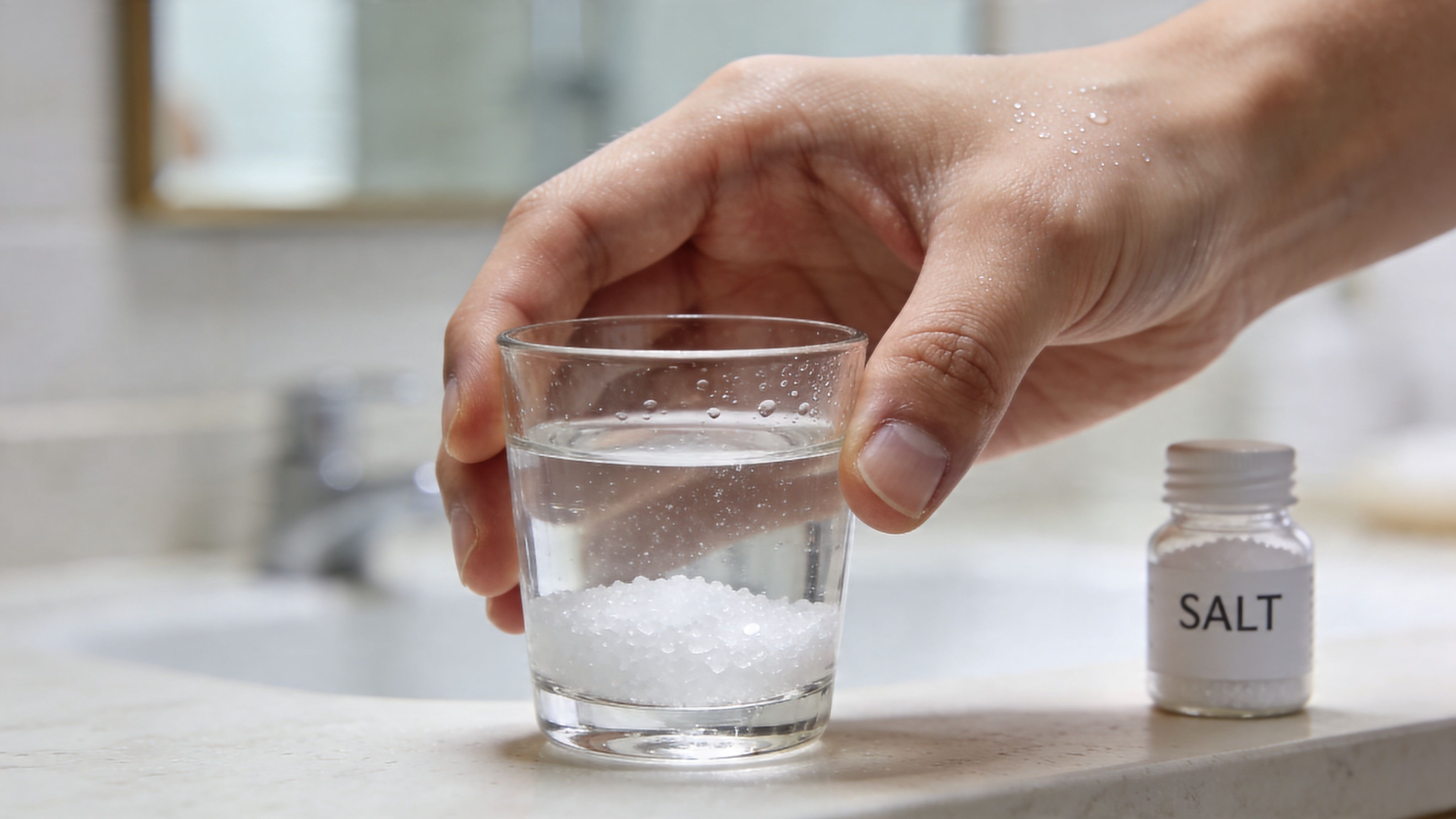
After the first day, a warm salt water rinse can be a useful part of healing. The goal isn’t to scrub the socket. The goal is to keep the mouth cleaner without disturbing the extraction site.
A gentle routine works best:
- Mix warm water with salt
- Let the water move softly around the mouth
- Don’t swish hard
- Let it fall out of your mouth instead of forceful spitting
This can help remove food debris and make the mouth feel fresher without adding trauma.
Gentle remedies that usually help
Patients often ask what’s reasonable to do at home. These are usually safe, simple supports when your dentist has not told you otherwise:
- Stay hydrated: A dry mouth feels worse and can make recovery less comfortable.
- Choose cool or lukewarm soft foods: Very hot foods can irritate tender tissues.
- Rest your jaw: Don’t test it with wide opening, chewy foods, or constant talking.
- Keep brushing the rest of your teeth carefully: A cleaner mouth usually heals more comfortably.
What doesn’t help much is overdoing home remedies. More rinsing is not better. More pressure is not better. More touching is definitely not better.
Healing responds well to light, consistent care.
A Day-by-Day Guide to Your Swelling Timeline
Patients feel less anxious when they know what the next few days should look like. Swelling after an extraction usually follows a pattern. It rises, peaks, and then fades.
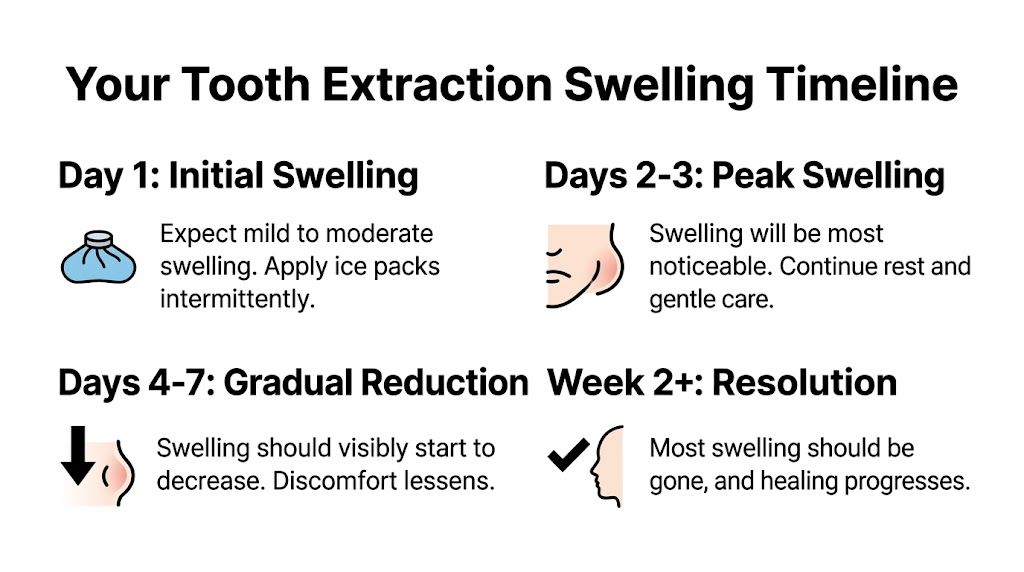
Clinical evidence shows that post-extraction swelling typically peaks within the first 48 hours and begins to noticeably decrease by days 3-4. That same guidance notes that ice therapy is most effective during the initial 36-48 hour window, and after 72 hours, moist heat becomes more beneficial for circulation and resolution of lingering swelling, as explained in this clinical aftercare overview on wisdom tooth swelling.
Day 1 and what you may notice first
The first day often brings numbness, mild oozing, and the beginning of puffiness near the extraction site. Some patients feel fine right away and then swell more in the evening.
That’s still within the normal pattern.
Your priorities on day one are simple:
- Rest
- Use cold therapy as instructed
- Protect the blood clot
- Avoid unnecessary talking, chewing, and activity
Days 2 and 3 when swelling tends to feel largest
This is the phase that catches patients off guard. Many assume day two should look better than day one. In reality, this is often when the cheek looks fullest and the jaw feels the most stiff.
That doesn’t automatically mean you’re getting worse. It often means your body is moving through the expected inflammatory stage.
Common experiences during this phase include:
| Normal experience | Why it happens |
|---|---|
| A fuller cheek | Fluid has collected in the healing tissues |
| Jaw tightness | Muscles near the extraction area react to surgery |
| Mild bruising | Small blood vessels in the area can leak during healing |
If your swelling peaks early and then starts easing, that’s usually a reassuring sign.
Days 4 through 7 when things should start settling
By this point, many patients notice a shift. The face usually looks less puffy, opening the mouth becomes easier, and eating feels less awkward.
You may still have tenderness. That’s fine.
The important trend is improvement. It should feel like things are moving in the right direction, even if healing is not perfectly linear every hour of the day.
Week 2 and beyond
Most visible swelling should be largely resolved by this stage, while the deeper tissue healing continues in the background. The site may still feel different for a while, especially if the extraction was surgical or the tooth was difficult to remove.
That’s one reason follow-up care matters. Looking normal from the outside doesn’t always mean the inside is done healing.
When the timeline doesn’t fit
A timeline is useful, but it’s not a substitute for judgment. A difficult extraction, impacted wisdom tooth, or strong inflammatory response can make swelling more dramatic.
What matters most is the direction.
- Expected healing: Swelling rises early, then gradually falls.
- Needs attention: Swelling keeps intensifying after the point when it should begin easing.
For patients in Katy Lakes, Marisol, Anniston, and nearby neighborhoods, that day-by-day rhythm can make recovery feel much less stressful. You don’t need every hour to feel identical. You just want the overall trend to be calming down.
Nourish and Rest Diet and Activity for Optimal Healing
Food and activity affect swelling more than many people expect. The extraction site may be small, but your whole body is involved in healing it.
If you eat foods that irritate the area or jump back into normal activity too soon, the mouth often lets you know.
What to eat while the area is tender
The first rule is texture. Choose foods that don’t require much chewing and won’t scrape the socket.
Good options often include:
- Yogurt: Cool, soft, and easy when chewing feels awkward.
- Mashed potatoes: Filling without being rough on the site.
- Applesauce: Gentle and easy to swallow.
- Smooth soups and broths: Let them cool to lukewarm first.
- Scrambled eggs: Soft and easy to manage.
- Smoothies from a spoon or cup: Avoid straws.

If you want more ideas, this guide to the best foods to eat after dental surgery can help you plan simple meals for the first several days.
What to avoid for now
Some foods are a problem because they’re sharp. Others are a problem because they break into little pieces that can lodge near the socket.
Try to avoid:
- Crunchy foods: Chips, crackers, toast, nuts
- Tiny particles: Rice, seeds, popcorn
- Very spicy foods: These can sting the area
- Very hot foods and drinks: Heat can irritate sensitive tissue
- Chewy foods: They ask too much of a sore jaw
A useful rule is this. If the food demands effort, pressure, or strong chewing, it probably isn’t ready yet.
Activity can increase swelling if you rush back too soon
Patients often feel well enough to resume normal routines before the tissues are ready. That’s where setbacks happen.
Heavy lifting, vigorous workouts, repeated bending, and strenuous housework can increase pressure and trigger more throbbing or bleeding. A short period of taking it easy is worth it.
For the early recovery period:
- Walk around gently if you want to move
- Skip intense exercise
- Avoid lifting heavy items
- Don’t spend the day bending over
Rest isn’t being lazy after an extraction. It’s one of the most practical ways to keep swelling and bleeding from ramping up.
Straws and smoking are worth special attention
Both create suction or disruption where you least want it. That can dislodge the blood clot and lead to a painful dry socket.
That’s why patients are told so clearly to avoid them.
If you’re deciding between convenience and healing, choose healing. Drink from a cup. Give the area a chance to stabilize. Your future self will be glad you did.
Knowing the Difference Normal Healing vs Warning Signs
Most post-extraction symptoms look worse than they are. A little swelling, soreness, and even mild bruising can still be part of a healthy recovery.
The problem is that true complications can start with symptoms that sound similar. Patients need a clear way to separate normal healing from signs that deserve a call.
What’s usually normal
Normal healing tends to be uncomfortable but manageable. The symptoms may be annoying, but they should follow a steady pattern toward improvement.
| What's usually normal | Why it isn't usually alarming |
|---|---|
| Mild to moderate swelling | Tissue inflammation is expected after extraction |
| Tenderness when chewing or opening | Muscles and gum tissue are recovering |
| Some bruising | Small vessels can leak during and after the procedure |
| Soreness that gradually settles | Healing tissue often stays sensitive for several days |
A normal recovery doesn’t have to be symptom-free. It just needs to be moving in the right direction.
What deserves attention
Certain changes suggest the healing pattern may not be typical anymore.
Call your dentist if you notice:
- Swelling that keeps worsening instead of easing
- Severe pain that feels sharp, deep, or radiates
- Fever
- A foul taste or unpleasant odor
- Pus or drainage
- Trouble swallowing or breathing
Those aren’t symptoms to monitor for days on your own. They deserve prompt guidance.
Dry socket versus ordinary soreness
Patients often worry about dry socket, and for good reason. It can be quite painful.
Ordinary post-extraction soreness usually feels localized and gradually improves. Dry socket pain often feels more intense, deeper, and harder to ignore. Patients may describe it as pain that radiates or suddenly worsens after they thought they were doing better.
Pain that is improving is usually reassuring. Pain that sharply escalates or spreads is different.
Trust the trend, not one random moment
Healing isn’t perfectly smooth. One meal might make the area ache more. One morning might feel puffy after sleeping.
That alone doesn’t mean something is wrong.
Look at the overall pattern:
- Better each day, even slowly: usually reassuring
- More swollen, more painful, and more unpleasant over time: call your dentist
If you’re in Katy, TX and something feels off after a tooth extraction, don’t try to diagnose it by internet guesswork. A true warning sign deserves real evaluation, especially when emergency dental care may be needed.
Your Partner in Recovery Post-Extraction Care at The Dental Retreat
A tooth extraction doesn’t end when the tooth comes out. Recovery is part of the treatment.
That matters for patients who are anxious, patients who’ve had a difficult extraction, and patients who want clear answers while they heal. Good aftercare should feel organized, calm, and responsive.
In Katy, many people looking for a dentist near me, an emergency dentist, or help with a painful tooth extraction aren’t just looking for the procedure itself. They want to know who will support them once they’re back home and the numbness wears off.
Recovery feels easier when the plan is clear
The best post-extraction care usually comes down to a few things:
- Simple instructions that are easy to follow
- Medication guidance that matches the procedure
- A way to reach the office if symptoms change
- A team that takes discomfort seriously
That kind of support reduces second-guessing. It also helps patients avoid the common mistakes that create more swelling, more pain, and more stress.
Comfort has a role in healing
Dental anxiety doesn’t disappear the moment a procedure is over. Many patients carry that tension into recovery. They clench, worry, and watch every sensation too closely.
A more comfort-centered dental experience can help lower that stress. In a spa-inspired setting with features like massage or heated chairs, aromatherapy, TVs in treatment rooms, and noise-cancelling headphones, patients often leave the procedure more relaxed. That calmer start can make it easier to follow aftercare instructions once they’re home.
For some people, that’s not a luxury. It’s what allows them to get treatment done in the first place.
Tooth extraction is often part of a bigger treatment plan
Sometimes an extraction is the end of a problem. Sometimes it’s the first step toward rebuilding the area.
That may include:
| Need after extraction | Related dental service |
|---|---|
| Replacing a missing tooth | Dental implants |
| Restoring chewing function | Restorative dentistry |
| Addressing urgent pain or infection | Emergency dental care |
| Improving smile appearance later | Cosmetic dentistry |
For patients in Sunterra, Cane Island, The Grange, Elyson, and Katy Manor, it helps to have one dental home that can handle both the immediate extraction and the longer-term planning that may follow.
What patients can expect when visiting a Katy dental office for extraction care
Patients often ask what the process looks like if they need help quickly.
In a well-run visit, you should expect:
- A focused exam of the area
- Dental X-rays when needed
- A clear explanation of whether symptoms are normal or not
- Practical next steps
- Discussion of pain control and healing support
That applies whether you’re a new patient, someone searching for a dentist in Katy, TX, or someone returning for follow-up after oral surgery.
Frequently Asked Questions About Tooth Extraction Aftercare
| Question | Answer |
|---|---|
| How long should I use ice after a tooth extraction? | Use cold therapy during the early healing period exactly as your dentist instructed. If you’re beyond the early swelling phase, cold usually becomes less helpful. |
| When can I start using warmth instead of ice? | Once the earliest swelling period has passed and your dentist says it’s appropriate, moist warmth may help with lingering stiffness. |
| Is it normal to have a swollen cheek after tooth extraction? | Yes, some swelling is expected. What matters most is whether it starts to improve rather than continuing to worsen. |
| Can I brush my teeth after an extraction? | Yes, but be gentle and avoid traumatizing the extraction site. Keep the rest of your mouth as clean as possible. |
| What foods are easiest to eat after extraction? | Soft, non-irritating foods are usually easiest, such as yogurt, mashed potatoes, soup, eggs, and applesauce. |
| When should I call a dentist about swelling? | Call if swelling worsens instead of improving, or if you notice severe pain, fever, drainage, foul taste, or trouble swallowing. |
| Can I exercise the day after a tooth extraction? | It’s better to rest and avoid strenuous activity until your dentist says normal exercise is okay. |
| What if I’m interested in replacing the extracted tooth? | Ask about restorative options such as dental implants once the area has healed enough for planning. |
If you’re dealing with swelling after a tooth extraction, or you need a consultation for oral surgery, emergency dental care, restorative treatment, or dental implants near me in Katy, TX, clear guidance makes a big difference. So does having a dental office that treats comfort as part of clinical care.
If you need help with post-extraction swelling, urgent dental pain, or planning next steps after a tooth extraction, contact The Dental Retreat. Patients in Katy, TX, including Sunterra, Cane Island, Katy Lakes, Marisol, Anniston, and nearby neighborhoods, can schedule an appointment for supportive follow-up, emergency evaluation, or a consultation for restorative and cosmetic dental care.