Timeline for Full Arch Dental Implant Treatment
Replacing an entire arch of teeth is one of the most transformative procedures in modern dentistry. For people who have spent years managing broken, failing, or missing teeth, full arch dental implants offer something that dentures and bridges simply can’t—a permanent, stable smile that functions like natural teeth.
But the process isn’t a one-day fix. From the first consultation to the final crown fitting, full arch implant treatment unfolds over several months. For many patients, not knowing what to expect along the way is the most anxiety-inducing part. How many appointments will there be? When will the pain stop? How long before the final smile is ready?
This guide walks you through every stage of the treatment timeline at The Dental Retreat—from the initial diagnostic workup to the long-term care that keeps your new smile healthy for decades.
What Makes Full Arch Implants Worth the Wait
Full arch dental implants—sometimes called implant-supported bridges or, in the case of same-day procedures, teeth in a day—replace all teeth in the upper or lower jaw using a series of implant posts anchored directly into the jawbone. Unlike dentures, which rest on the gum surface, implants integrate with the bone itself, creating a foundation that’s stable, durable, and designed to last a lifetime.
The benefits go beyond aesthetics. Implants preserve jawbone density, which naturally deteriorates when teeth are lost. They allow patients to eat, speak, and smile with confidence, and they eliminate the daily inconvenience of removable prosthetics. For the right candidate, the results are genuinely life-changing.
That said, the quality of the outcome depends heavily on the quality of the planning. Which is why the process begins long before any surgery takes place.
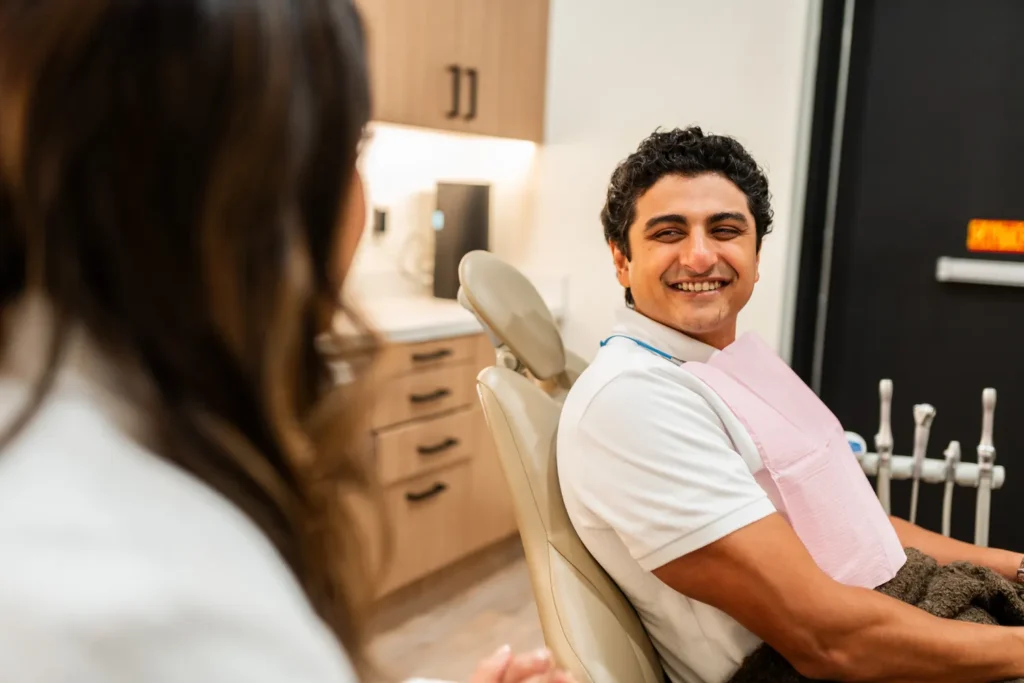
Step 1: Initial Consultation and Digital Diagnostics
The first appointment at The Dental Retreat is about building a complete picture of your oral health. This goes well beyond a basic check-up. The clinical team conducts a thorough assessment of your teeth, gums, bite, and jawbone structure—gathering the information needed to create a treatment plan tailored specifically to you.
Modern implant planning relies heavily on digital diagnostics. Expect 3D cone beam CT (CBCT) scans, digital X-rays, and intraoral scans that map the precise dimensions of your jaw. This imaging reveals bone volume and density, the position of nerves and sinuses, and any existing issues that need to be addressed before implants can be placed.
Your dentist will also discuss your medical history, current medications, and lifestyle factors—all of which can influence the healing process and long-term implant success.
By the end of this phase, you’ll have a clear treatment plan, a realistic timeline, and a thorough understanding of the costs involved. For most patients, this initial consultation is where uncertainty gives way to clarity.
Timeline: 1–2 appointments over 1–2 weeks
Step 2: Pre-Surgery Preparations
Not every patient moves straight from consultation to surgery. Depending on the condition of your mouth, preparatory work may be needed first.
Extractions
If you still have remaining teeth in the treatment arch, these will need to be removed before implants can be placed. Dental extractions are typically straightforward, though more complex cases—such as impacted teeth or teeth with long, curved roots—may require additional time or specialist referral.
In some cases, extractions and implant placement can happen on the same day. Your clinician at The Dental Retreat will advise whether this is appropriate for your situation.
Bone Grafting
Adequate bone volume is essential for implant stability. When bone loss has occurred—due to long-term tooth loss, gum disease, or trauma—a bone graft may be required to rebuild the implant site before surgery.
Bone grafting adds time to the overall treatment timeline. After a graft is placed, the site typically needs three to six months to heal and integrate before implants can be safely positioned. It’s not an optional step; skipping it in cases where bone volume is insufficient significantly increases the risk of implant failure.
Site Healing
Even without grafting, some patients benefit from a short healing period after extractions to allow the gum tissue to stabilize. Your dental team will monitor healing progress and confirm when you’re ready to proceed.
Timeline: 0–6 months, depending on the need for extractions and/or bone grafting
Step 3: Implant Placement Surgery
Implant placement day is the central event in the full arch treatment timeline. The procedure is performed under local anesthesia, and sedation options are available for patients who prefer a more relaxed experience.
During surgery, titanium implant posts are placed into the jawbone at precise positions determined during the digital planning phase. For a full arch, this typically involves four to six implants, strategically angled to maximize bone contact and distribute biting forces evenly. This is the principle behind techniques like All-on-4, which uses angled posterior implants to avoid the need for extensive bone grafting in many cases.
In straightforward cases, a temporary prosthetic—sometimes called a provisional bridge—can be attached to the implants on the same day. This means patients leave the clinic with a full set of functional teeth, even while osseointegration is still underway.
The surgery itself generally takes two to four hours per arch. Expect some swelling, bruising, and discomfort in the days that follow. These are normal responses to the procedure, and most patients manage well with prescribed pain relief and a soft food diet during initial recovery.
Timeline: Single-day procedure; 1–2 weeks for initial post-surgical recovery
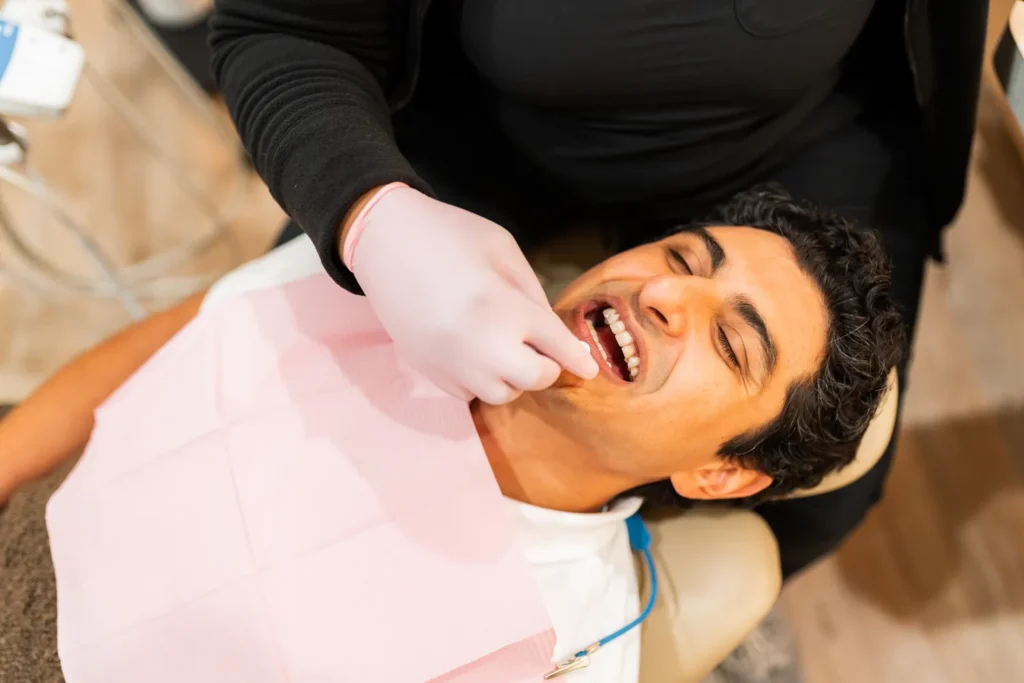
Step 4: Healing and Osseointegration
This is the longest phase of the treatment timeline, and the one that patients often find hardest to be patient through. Osseointegration—the process by which the titanium implant fuses with the surrounding jawbone—takes time. There’s no way to accelerate it safely.
Short-Term Healing (Weeks 1–4)
The first few weeks are about managing the immediate effects of surgery. Swelling typically peaks around 48–72 hours post-procedure and gradually subsides. Patients are advised to stick to soft foods, avoid smoking, and follow careful oral hygiene protocols around the surgical sites.
Most people return to desk-based work within a few days, though physical activity should be limited for the first week or two.
Long-Term Osseointegration (Months 2–6)
Below the surface, osseointegration continues silently over the following months. By around the three-month mark, most patients have achieved sufficient integration for the restoration process to begin. In more complex cases—particularly where bone grafting was involved—the full six months may be needed.
During this period, you’ll attend follow-up appointments at The Dental Retreat so the team can monitor healing progress and assess implant stability. The temporary prosthetic remains in place throughout, allowing you to eat and speak normally while integration takes place.
Timeline: 3–6 months
Step 5: Final Prosthetic Placement
Once osseointegration is confirmed, the process of creating and fitting your permanent prosthetic begins. This is where the clinical precision of the earlier planning phases pays off.
Detailed impressions or digital scans of the implants and surrounding tissue are taken and sent to a dental laboratory. Skilled technicians craft a custom-designed bridge—typically from zirconia or porcelain-fused materials—matched to your natural tooth color, shape, and bite.
The final fitting appointment involves attaching the permanent prosthetic to the implants and making any fine adjustments needed for comfort and aesthetics. For most patients, seeing the finished result for the first time is a genuinely emotional moment.
Timeline: 2–4 weeks from scan to fitting, following confirmed osseointegration
Caring for Your Implants Long-Term
Full arch dental implants are designed to last decades—but that longevity depends on how well they’re maintained. Implants can’t develop cavities, but the gum and bone tissue surrounding them are still vulnerable to infection. Peri-implantitis, an inflammatory condition similar to gum disease, is one of the leading causes of implant failure in the long term.
The good news is that prevention is straightforward. Daily brushing with a soft-bristle brush, flossing or using an interdental brush, and regular use of an antibacterial mouthwash form the foundation of good implant hygiene. Equally important are routine check-ups and professional cleans at The Dental Retreat—typically every six months—where the clinical team can assess implant stability, check the condition of the prosthetic, and identify any early signs of concern.
Patients who smoke, have diabetes, or have a history of gum disease may need more frequent monitoring. Your dentist will provide personalized guidance based on your individual risk profile.
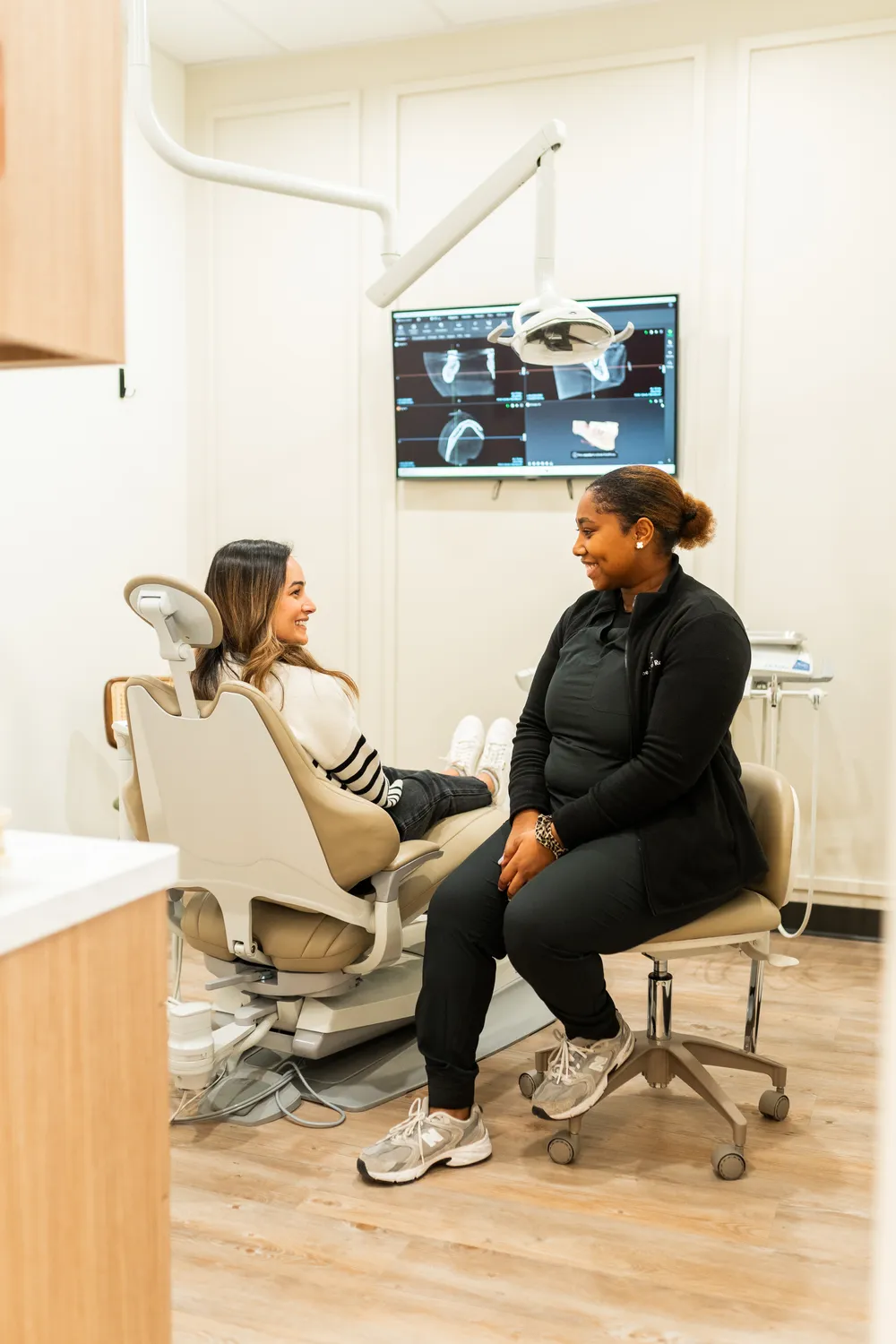
The Investment of Time Is Worth It
Full arch dental implant treatment is not a quick fix. From the initial consultation to the final smile reveal, the entire process can span anywhere from six months to over a year, depending on the complexity of the case.
But context matters. Most patients have spent years—sometimes decades—living with dental problems that affected how they ate, spoke, and presented themselves to the world. Measured against that, a treatment timeline of several months is a small price to pay for a result that’s designed to last a lifetime.
At The Dental Retreat, every stage of the process is guided by experienced clinicians using advanced digital technology. The goal isn’t just to replace missing teeth—it’s to give each patient a smile they can trust, for life.
If you’re considering full arch dental implants and want to understand what the process would look like for your specific situation, the first step is a comprehensive consultation. Reach out to The Dental Retreat to book yours.
https://www.google.com/maps?cid=12091687882530918159
28047 Stockdick School Rd #200, Katy, TX 77493
(281) 717-6696
https://dentalretreattx.com/