Common Myths About Dental Implants — Debunked
Dental implants have transformed modern dentistry. For millions of people, they’ve replaced gaps, restored confidence, and made eating and speaking feel natural again. Yet despite their proven track record, a surprising number of people still avoid them—not because of cost or access, but because of myths.
Misinformation spreads fast, especially when it comes to medical and dental procedures. A quick search online can unearth horror stories, outdated advice, and flat-out incorrect claims that make perfectly safe treatments seem terrifying. And when it comes to dental implants specifically, these myths have real consequences: people live with missing teeth, damaged confidence, and declining oral health because they believe something that simply isn’t true.
This post sets the record straight. We’ll walk through the most common myths about dental implants, explain what the evidence actually says, and show you why implants might be a far better option than you’ve been led to believe.
Why Oral Health Deserves More Attention
Before diving into the common myths surrounding dental implants, it’s essential to first understand why dental health plays such a critical role in overall well-being. Your oral health is deeply connected to the health of your entire body. Studies have consistently shown that poor oral health can contribute to systemic conditions such as heart disease, diabetes, and respiratory illnesses. Beyond systemic health, missing teeth can create a ripple effect of problems over time. Gaps in your smile don’t just affect your appearance—they accelerate bone loss in the jaw, cause surrounding teeth to shift out of alignment, and can even lead to changes in your facial structure, giving the face a sunken appearance as the jaw deteriorates.
The choice to replace missing teeth isn’t purely aesthetic—it’s a significant health decision. For many patients, dental implants offer the most effective and long-lasting solution. Implants aren’t just about restoring a smile; they help maintain jawbone health, improve functionality, and provide a sense of confidence that often gets lost with missing teeth. Yet, despite their incredible benefits, fear and misinformation often prevent people from pursuing this life-changing option.
Let’s set the record straight by addressing the misconceptions around dental implants and exploring why they are widely regarded as the gold standard for tooth replacement. It’s time to approach this topic with clarity and confidence.

Myth #1: Dental Implants Are Painful
This is probably the most common reason people hesitate. The idea of a titanium post being placed into your jawbone sounds, on the surface, deeply uncomfortable. But the reality is far less dramatic than most people expect.
Dental implant surgery is performed under local anesthesia. During the procedure itself, patients typically feel pressure but not pain. The area is thoroughly numbed, and for those with dental anxiety, sedation options are also available. The procedure is far more routine than many people assume.
Post-surgery discomfort is normal, but it’s generally manageable with over-the-counter pain relief and subsides within a few days. Most patients report that the experience was significantly less painful than they anticipated—and many say it was easier than a tooth extraction.
The key factor here is the skill of your dental team. When performed by experienced clinicians using modern techniques and technology, implant surgery is a well-tolerated, predictable procedure with a high success rate.
Myth #2: Implants Look Fake or Unnatural
Another widespread concern is appearance. Many people picture implants as visibly artificial—that telltale shine or mismatched color that makes a fake tooth obvious. This concern made more sense decades ago, when early dental prosthetics left a lot to be desired aesthetically. Today, it simply doesn’t hold up.
Modern dental implants are designed to closely mimic the appearance of natural teeth. The crown—the visible part of the implant—is custom-made to match the shape, size, and shade of your surrounding teeth. A skilled cosmetic dentist will assess your natural tooth color, bite alignment, and gum line to ensure the result looks seamless.
In fact, one of the most common reactions from patients after receiving implants is surprise at how natural they look and feel. Unlike dentures, which can shift or appear artificial in certain lighting, implants are fixed in place and integrate with the jawbone. From the outside, there’s nothing to distinguish an implant from a natural tooth—because that’s exactly the goal.
Myth #3: Dental Implants Are Only for Older People
It’s easy to associate tooth loss with aging, and by extension, to assume that implants are a solution reserved for seniors. But tooth loss affects people of all ages. Accidents, sports injuries, genetic conditions, and untreated decay can all result in missing teeth in younger adults.
The real determining factor for implant eligibility isn’t age—it’s jawbone development. Implants aren’t recommended for patients whose jaws are still growing, which generally means younger teenagers aren’t candidates. But once a patient has reached skeletal maturity (typically in their late teens or early twenties), age is not a barrier.
Adults in their twenties, thirties, and forties frequently receive dental implants, and there’s good reason to address missing teeth sooner rather than later. The longer a gap is left untreated, the more bone loss occurs in that area, which can complicate future implant placement. Acting early often leads to better long-term outcomes.
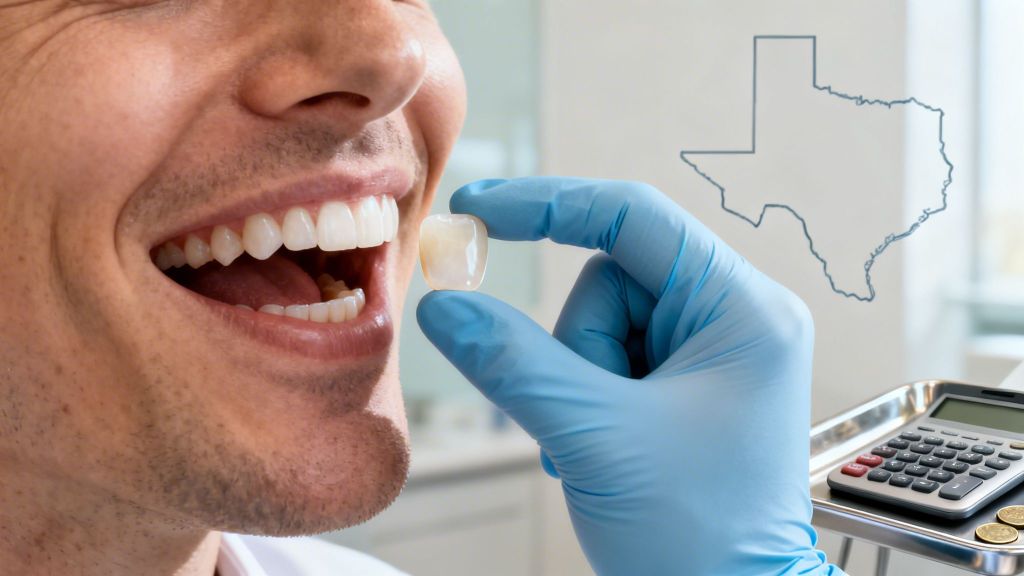
Myth #4: Implants Require Constant Special Maintenance
Some patients worry that implants come with an exhausting aftercare routine—special cleaning kits, frequent dental visits, dietary restrictions for life. The truth is much simpler.
Dental implants are maintained almost exactly like natural teeth. Brushing twice a day, flossing, and attending regular dental check-ups is all that’s required for the vast majority of patients. There’s no need for adhesive creams, overnight soaking, or the removal that dentures require.
That said, good oral hygiene is essential. While implants themselves can’t get cavities, the surrounding gum tissue and bone can still be affected by poor oral care. Maintaining healthy habits protects your investment and ensures your implant lasts for decades—potentially for life.
Myth #5: Implants Are Too Expensive to Be Worth It
Cost is a legitimate consideration, and implants do carry a higher upfront price than other tooth replacement options like dentures or bridges. But framing the comparison purely around initial cost misses the bigger picture.
Dentures and bridges typically need to be replaced or adjusted every five to ten years. Implants, maintained properly, can last a lifetime. When you calculate the long-term cost of repeated replacements, adjustments, and associated dental visits, implants often prove to be the more cost-effective option over time.
Beyond the financial calculation, there’s the quality-of-life dimension. Implants function like natural teeth—you can eat, speak, and smile without restriction or worry. That’s something dentures and bridges often can’t fully replicate. For many patients, that difference in daily comfort and confidence is worth the investment many times over.
The Dental Retreat’s Approach to Implants
At The Dental Retreat, dental implant placement are never approached as a one-size-fits-all solution. Each patient’s needs, goals, and oral health are unique, and the team tailors every step of the process to reflect that individuality.
From the very first consultation to the final placement of the implant, The Dental Retreat prioritizes understanding. The team carefully reviews each patient’s oral health history, aesthetic preferences, and any concerns or anxieties they may have. Advanced imaging technology, including 3D scans, is utilized to assess bone density, jaw structure, and other critical factors. This ensures that every implant is placed with exceptional precision and tailored for long-term success.
For those who experience dental anxiety, The Dental Retreat goes above and beyond to provide a calm, supportive environment. They offer sedation options and compassionate care to make the entire process as comfortable and stress-free as possible. Their focus isn’t just on clinical outcomes—it’s on ensuring patients feel fully supported and informed every step of the way.
The goal of dental implants at The Dental Retreat isn’t just to fill a gap or replace a missing tooth. It’s about enabling patients to reclaim their confidence, restore full functionality, and achieve a smile that looks and feels completely natural. Whether someone requires a single implant, multiple replacements, or a complex full-arch restoration, the team combines cutting-edge clinical expertise with a genuine, patient-first approach.
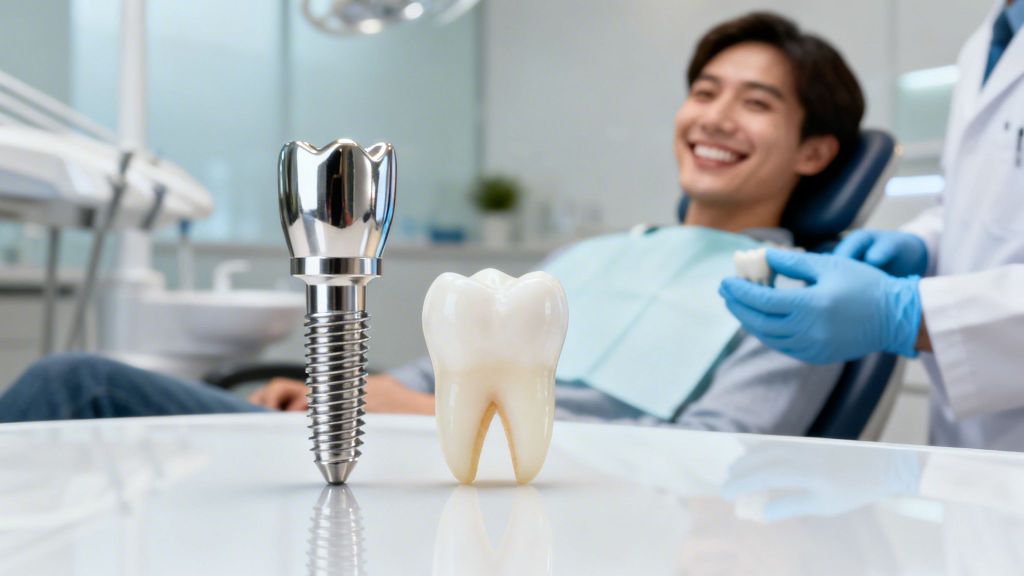
Ready to Separate Fact From Fiction?
Teeth implants have a strong safety record, a high success rate, and a transformative impact on patients’ quality of life. The myths surrounding them—pain, appearance, age restrictions, cost—don’t hold up against the evidence. What they do is keep people from getting care that could genuinely improve their health and wellbeing.
If you’ve been on the fence about implants, the best next step is a conversation with a qualified dental professional. Get the facts specific to your situation, ask the questions you’ve been sitting with, and make an informed decision based on reality—not rumor.
The Dental Retreat offers consultations for patients considering dental implants. Reach out to the team to book your appointment and find out whether implants are the right fit for you.
The Dental Retreat
https://www.google.com/maps?cid=12091687882530918159
28047 Stockdick School Rd #200, Katy, TX 77493
(281) 717-6696
https://dentalretreattx.com/