If you notice your tooth gap every time you smile, talk, or look at photos, you're not alone. Some people have had that space for years and want a more balanced smile. Others feel like the gap has become more noticeable and want to know what can be done without committing to metal braces.
Many adults in Katy want a solution that feels natural, conservative, and comfortable. They want to improve their smile without making daily life harder. That's exactly where modern cosmetic dentistry can help. In many cases, how to fix gapped teeth without braces comes down to choosing the right treatment for the size of the gap, the shape of the teeth, your bite, and your goals.
At The Dental Retreat in Katy, TX, patients from Sunterra, Cane Island, and nearby neighborhoods often ask the same practical questions. Can this be fixed quickly? Will it look fake? Will it hurt? Is there an option that works if I'm nervous about dental visits? The good news is that there usually isn't just one path forward. There are several gentle, modern ways to close spaces and refine a smile without traditional braces.
A Confident Smile is Closer Than You Think in Katy TX
A small gap between the front teeth can affect more than appearance. People often learn to smile with their lips closed, angle their face a certain way in pictures, or cover their mouth while laughing. Even when the gap is minor, it can draw your eye immediately.
That doesn't mean anything is wrong with your smile. It means you've noticed one detail that you'd like to change.
Small changes can make a big difference
Gap treatment is one of the most satisfying parts of cosmetic dentistry because the change can be focused and efficient. You may not need a full smile makeover. You may not need braces. You may only need the right treatment plan based on why the space is there in the first place.
For some patients, a tooth-colored material can be added to reshape the teeth. For others, clear aligners make more sense because the teeth need to move, not just appear wider. In some situations, a restorative option is better because the gap is related to a missing or damaged tooth rather than simple spacing.
Practical rule: A gap should be treated based on its cause, not just its appearance.
That's why a thoughtful evaluation matters. A space that looks straightforward in the mirror can come from very different issues, including tooth size, bite pattern, gum tissue, or missing teeth. The right solution should improve the smile and protect long-term function.
Comfort matters when choosing cosmetic care
Many people delay cosmetic dentistry because they assume it will be uncomfortable, complicated, or overly aggressive. In reality, modern treatment can be much gentler than patients expect. A calm environment also makes a real difference, especially if you've been putting off care because of anxiety.
For patients in Katy, TX, including families in Cane Island and Sunterra, the goal isn't just closing a gap. It's feeling heard, understanding your options, and choosing a treatment that fits your schedule, budget, and comfort level. That's what makes cosmetic care feel manageable instead of stressful.
A well-planned smile improvement shouldn't feel mysterious. It should feel clear, personal, and achievable.
Understanding Why Teeth Have Gaps
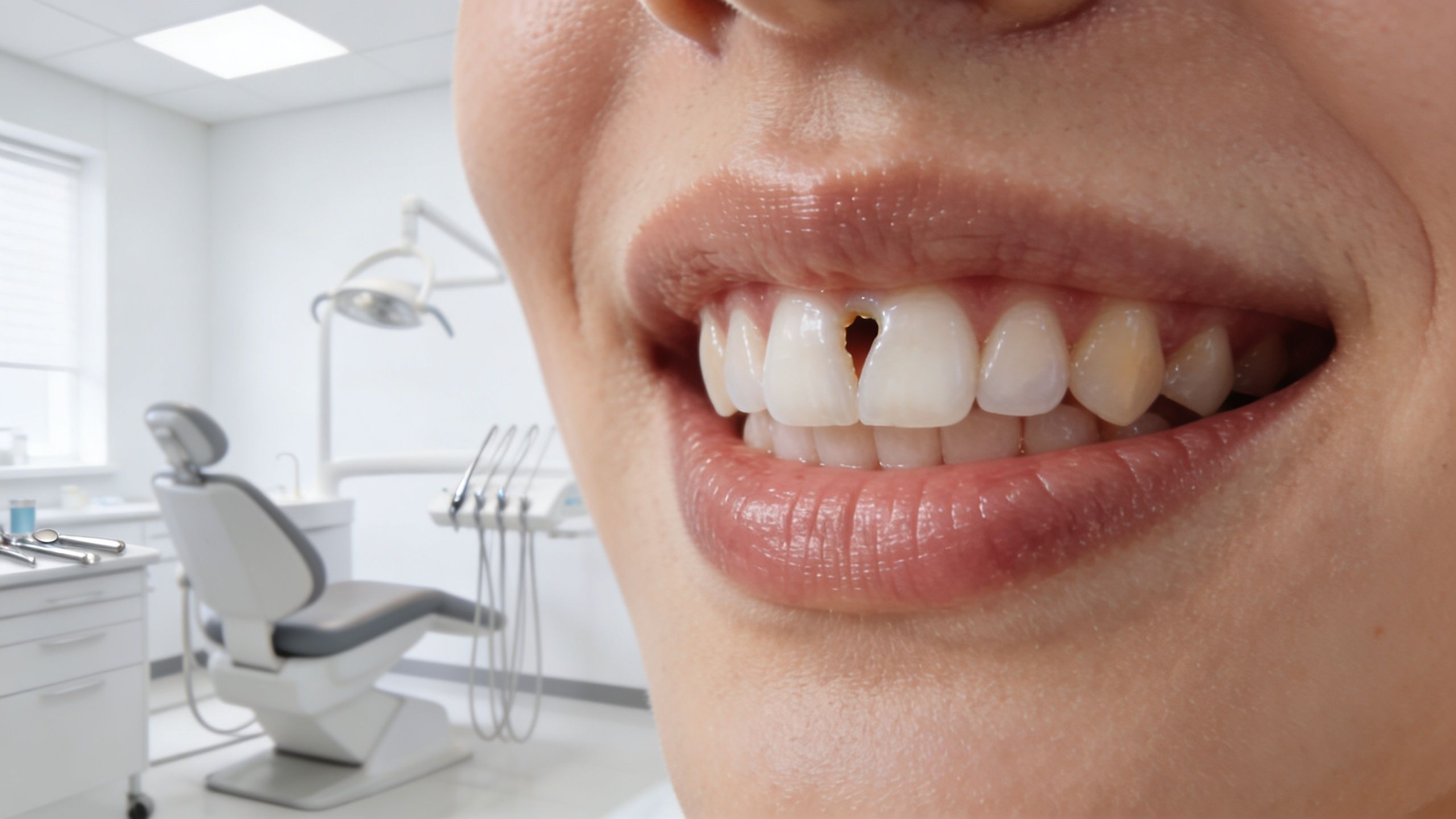
A gap between teeth is called a diastema. It's common, and it can happen for several reasons. Some gaps are mostly cosmetic. Others hint at a bite issue, a tissue issue, or a missing tooth that changes how the nearby teeth sit.
Common reasons a gap develops
Sometimes the reason is simple. The teeth may be naturally a little narrower or smaller relative to the jaw, which leaves extra space. In other cases, the teeth may have shifted over time.
A gap can also be related to:
- Genetics: Some smiles naturally develop with more spacing.
- Tooth size and shape: Teeth that are small, tapered, or uneven can leave visible spaces.
- Gum tissue attachment: A thick frenum, which is the tissue between the upper front teeth, can keep a space open.
- Habits or pressure patterns: Tongue pressure or past habits can influence spacing.
- Missing or damaged teeth: When one tooth is absent or compromised, nearby teeth may drift.
Why the cause matters before treatment
Closing a gap is not always about making teeth look wider. Sometimes that works beautifully. Sometimes it creates bulky, unnatural-looking teeth if the true problem is tooth position. In other cases, a cosmetic fix looks good at first but doesn't last well because the bite is doing something that hasn't been addressed.
That's why the starting point is a proper exam, not guessing.
At a new patient visit, dental x-rays and a close clinical evaluation help identify whether the gap is mostly cosmetic, structural, or related to gum tissue and bite. If a patient from Elyson or Ventanna Lakes tells us the space seems to be widening, that detail matters. It can change the conversation from simple cosmetic reshaping to a more complete diagnosis.
Some gaps are ideal for a same-visit cosmetic fix. Others need movement, support, or tissue treatment first.
Not every gap should be treated the same way
A small front tooth gap in a patient with healthy enamel is very different from spacing caused by a missing back tooth, gum changes, or teeth that are flaring outward. The treatment has to match the biology.
The most straightforward approach is as follows:
| Situation | What often helps |
|---|---|
| Small cosmetic gap with healthy teeth | Bonding or veneers |
| Moderate spacing with tooth movement needed | Clear aligners |
| Gap tied to tissue between front teeth | Frenectomy, sometimes with cosmetic treatment |
| Gap caused by missing or broken tooth | Crown, bridge, or implant planning |
That's why people searching for a dentist near me or cosmetic dentist near me in Katy should look for a practice that can evaluate both appearance and function, not just offer one cosmetic service for every case.
Your Main Options to Fix Gaps Without Braces
Three treatments handle most non-braces gap cases well: dental bonding, porcelain veneers, and clear aligners. They solve different problems. Some change shape. Some cover visible surfaces. Some move teeth into a healthier position. The right choice depends on the size of the space, the condition of the enamel, your bite, and how much change you want.
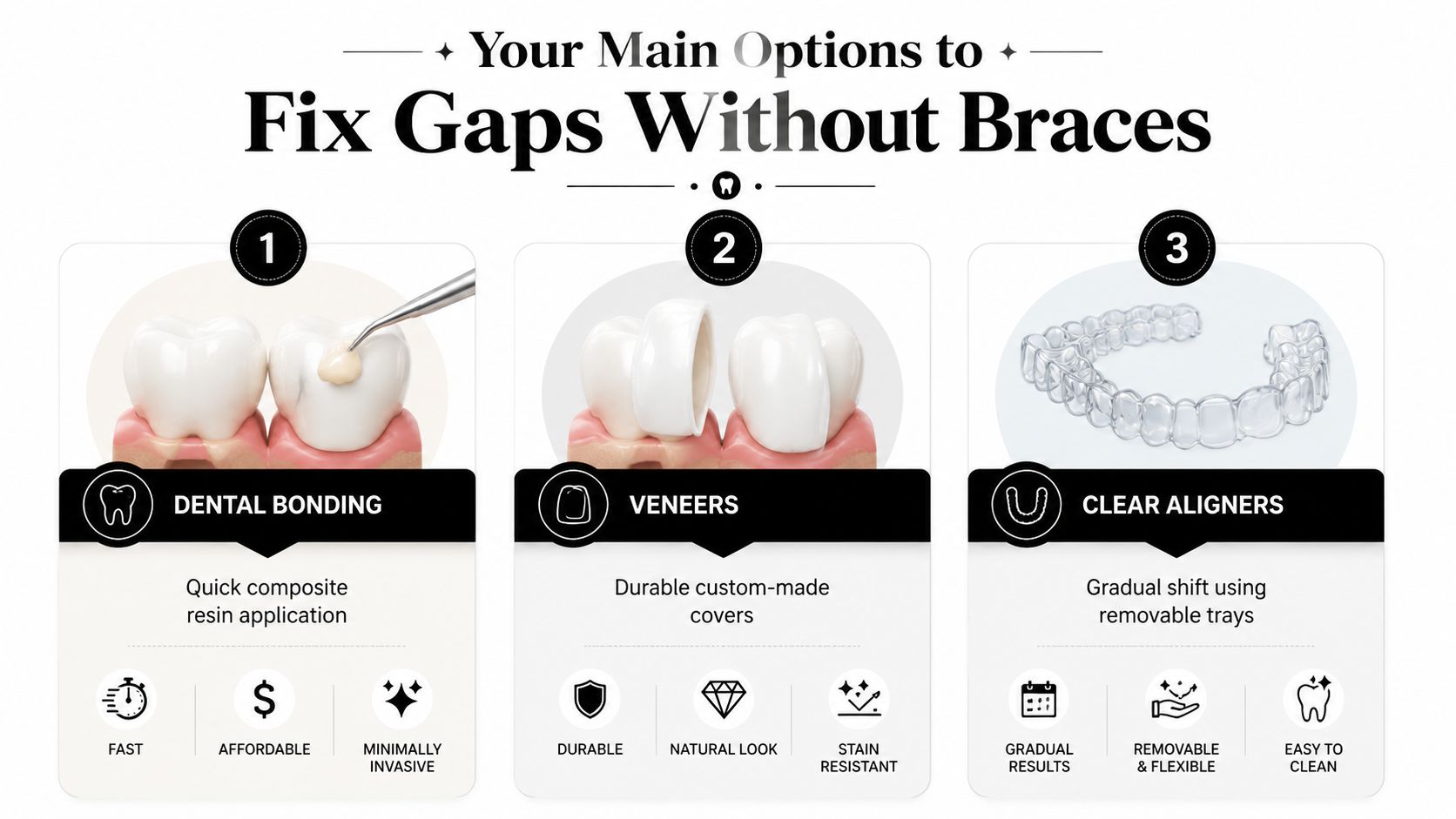
For many patients in Katy, the decision is not only about appearance. It is also about comfort, time, and how the process feels from start to finish. At The Dental Retreat, that matters. A patient who wants a same-visit cosmetic improvement may lean toward bonding. A patient who wants a more polished smile redesign may prefer veneers. Someone who wants to correct the position of the teeth, even if treatment takes longer, is often better served by aligners.
Dental bonding for small gaps
Bonding is often the fastest and most conservative way to close a small front gap. Composite resin is placed directly on the tooth, shaped carefully, then polished so it blends with the surrounding enamel.
According to this overview of small gap treatment options, bonding is commonly chosen for small cosmetic spaces because it can often be completed in one visit and usually costs less than veneers.
Bonding is a strong option when:
- The gap is small
- The teeth are healthy and already in a good position
- You want to preserve as much natural enamel as possible
- You want a quicker, more budget-conscious cosmetic fix
The technique matters. Good bonding is not just filling space. The resin has to be layered and shaped so the teeth still look proportional, light reflects naturally, and the bite does not hit the new edge too heavily. In practice, that is what separates a natural result from one that looks bulky.
Patients considering dental bonding for small gap closure in Katy usually appreciate how gentle the process feels. In a calm, spa-like setting, that one-visit improvement can feel far more manageable than they expected.
Bonding does have limits. If the space is wide, or if the teeth are flared outward, adding more material can make the front teeth look too broad. In those cases, a treatment that moves teeth or changes the overall smile design often produces a better result.
Porcelain veneers for shape and smile design
Veneers close gaps in a different way. Instead of placing composite directly on the tooth during the visit, we design thin porcelain restorations that cover the front surfaces of the teeth.
They are especially useful when the gap is only one part of the concern. Small teeth, uneven edges, worn enamel, and color differences can often be improved at the same time. That level of control is one of the biggest advantages of veneers. We can change width, contour, symmetry, and shade together rather than treating the gap in isolation.
Veneers are often a good fit for patients who want:
- Gap closure plus shape improvement
- A more uniform smile
- Correction of discoloration along with spacing
- A longer-lasting cosmetic upgrade
The trade-off is straightforward. Veneers usually require enamel modification, so they are less conservative than bonding. They also do not correct tooth position in the orthodontic sense. If the teeth are rotated or significantly out of place, aligners may need to come first.
For the right patient, though, veneers can create the most refined cosmetic outcome. They are often chosen by adults who want their smile to look balanced overall, not just gap-free.
If the space is small but the teeth also look undersized, uneven, or worn, veneers can address several cosmetic concerns in one plan.
Clear aligners for gaps caused by tooth position
Clear aligners close gaps by moving teeth, not by adding material to them. That distinction matters. If the space is related to alignment, spacing in several areas, or bite imbalance, aligners often provide the most biologically sound solution.
According to this clear aligner treatment summary, adults often choose aligners for mild to moderate spacing because they are discreet, removable, and effective for controlled tooth movement.
Patients usually prefer aligners when they want:
- A discreet treatment
- The ability to remove trays for meals and brushing
- A plan that addresses more than one gap
- To correct the position of the teeth rather than mask the space
Aligners require more patience than bonding, but they solve a different problem. If teeth need to be brought together properly, or if the bite needs to be improved as spaces close, aligners usually offer better long-term logic than making teeth look wider.
Comfort matters here too. Many adults are relieved to learn that treatment can be planned around work, social events, and daily routines. In a practice environment designed to feel calm rather than clinical, that longer process often feels much easier to commit to.
Here is a short overview of the options side by side.
| Treatment | Best For | Treatment Time | Durability | Average Cost Range |
|---|---|---|---|---|
| Dental Bonding | Small cosmetic gaps | Often one visit | Typically lasts several years with maintenance | $300 to $800 per procedure |
| Porcelain Veneers | Gaps plus shape or color concerns | Multiple visits | Long-lasting with good care | Higher than bonding |
| Clear Aligners | Moderate gaps and tooth movement | Often several months | Stable with proper retainer use | $3,000 to $5,000 |
A quick visual can help if you're comparing feel and function before deciding.
What works well, and what deserves caution
The best cosmetic result is the one that still looks believable a few years later and holds up comfortably in your bite.
These choices often work well:
- Bonding for a small gap between otherwise well-positioned teeth
- Veneers when the smile also needs shape, proportion, or color improvement
- Aligners when the teeth need to move to close space properly
These situations deserve more caution:
- Closing a large gap with bonding alone
- Choosing veneers when spacing is really an alignment issue
- Ignoring clenching, bite stress, or signs that the teeth are still shifting
- Starting cosmetic treatment before confirming why the gap formed
Patients searching for a cosmetic dentist near me or a dentist in Katy, TX usually do best with a consultation that compares these options transparently. The goal is not to push every patient toward the same treatment. The goal is to choose the option that fits your smile, your comfort level, and the kind of result you want to live with every day.
Other Specialized Treatments for Specific Gaps
Not every space between teeth should be treated with bonding, veneers, or aligners alone. Some gaps have a more specific cause, and those cases often respond best to a more customized solution.
When gum tissue is keeping the gap open
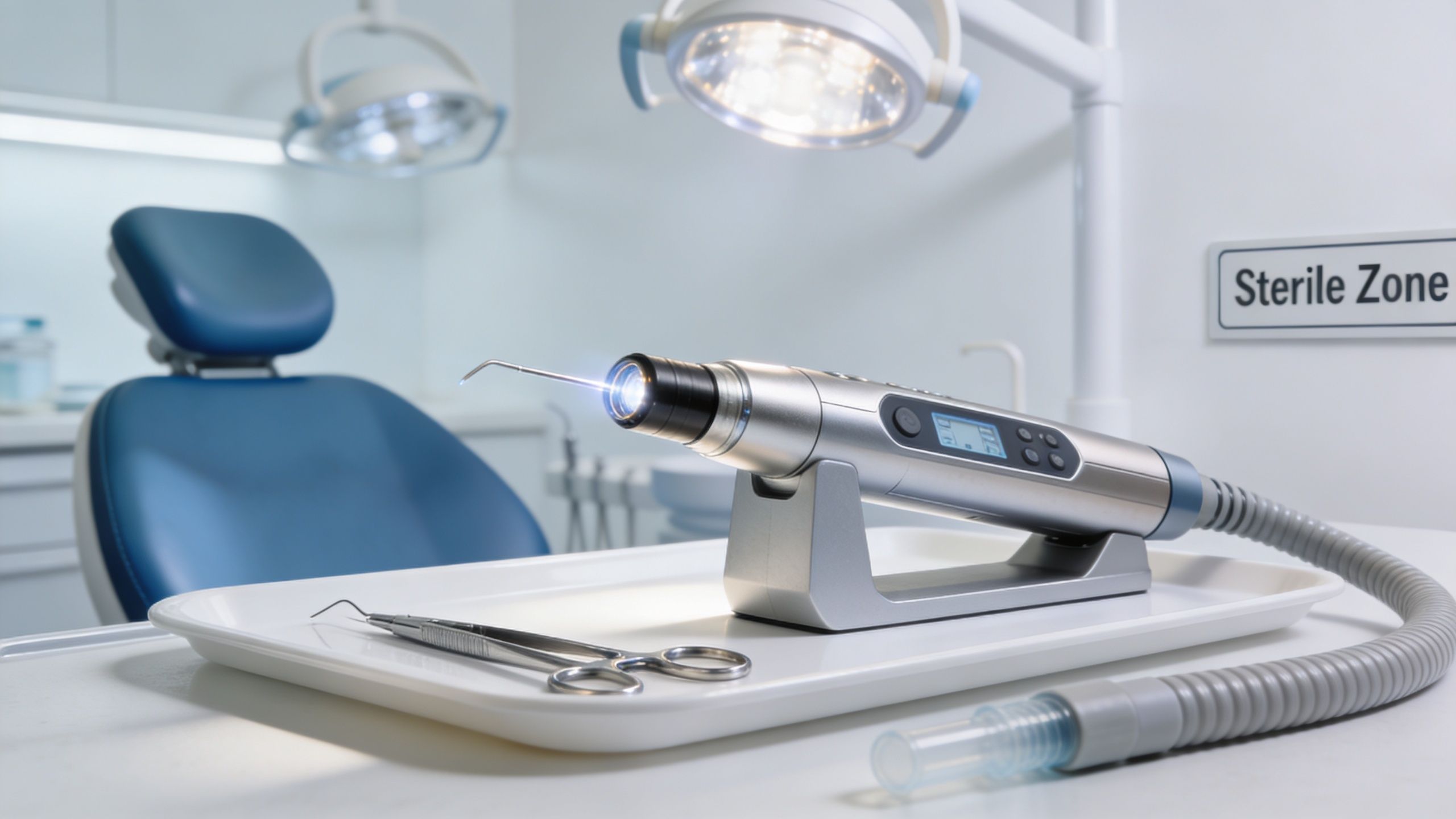
A thick frenum between the upper front teeth can contribute to a persistent space. If that tissue is the reason the teeth won't come together or the reason a gap tends to reopen, a frenectomy may be recommended.
This is a targeted soft tissue procedure, sometimes performed with laser technology, to release the tissue attachment. In the right case, it can remove the obstacle that keeps the space from closing properly. Depending on the smile, it may be combined with aligners or cosmetic treatment afterward.
This matters most when a patient says, “I don't just want to hide the gap. I want to know why it's there.”
When reshaping is enough
Some smiles don't need full restoration at all. Minor dental contouring can sometimes soften edges or refine the shape of adjacent teeth so the smile looks more even. This won't close a meaningful gap by itself in most cases, but it can improve the final appearance when used with bonding or veneers.
Contour treatment is subtle. The goal isn't to dramatically change the tooth. It's to make proportions look intentional and balanced.
A natural result often comes from combining small adjustments, not relying on one dramatic change.
When the gap is really a restorative issue
If the space exists because a tooth is missing, fractured, or too damaged to restore conservatively, cosmetic reshaping alone won't solve the problem. In that situation, the conversation shifts into restorative dentistry.
Options may include:
- Dental crowns: Helpful when a tooth is present but structurally compromised.
- Dental bridges: Useful when replacing a missing tooth by connecting to neighboring support teeth or implants.
- Dental implants: Often considered when a tooth is missing and the goal is to restore both appearance and function.
Patients searching for dental implants near me, restorative dentistry, or even tooth extraction sometimes discover that the visible gap is only one part of the issue. If a failing tooth has to be removed first, a long-term replacement plan becomes part of smile design.
Some patients need a combined approach
One of the biggest advantages of a complete evaluation is recognizing when more than one treatment is appropriate. A patient may need tissue correction first, then aligners, then cosmetic finishing. Another may need alignment before considering dental veneers in Katy, because placing veneers on poorly positioned teeth usually isn't the most conservative plan.
The popularity of clear aligners reflects this broader shift in adult treatment planning. As noted earlier, they've become a mainstream choice for spacing cases because they can move teeth discreetly before cosmetic refinements are added.
For patients in The Grange, Marisol, and nearby Katy neighborhoods, this is often the most reassuring part of treatment planning. You don't need a one-size-fits-all answer. You need the answer that matches why the gap exists in your mouth.
Your Smile Journey at The Dental Retreat in Katy
Choosing to improve your smile is personal. The visit should feel organized, calm, and respectful from the start, especially if you've been delaying care because of nerves or uncertainty.

What the first appointment looks like
A gap consultation begins with listening. Patients usually arrive with a concern that sounds simple on the surface. They want to close a space, make their front teeth look more even, or understand why their smile has changed. The exam then helps sort out whether the issue is cosmetic, orthodontic, restorative, or a combination.
That first visit may include:
- A thorough exam: To look at tooth shape, bite, enamel health, and any signs of wear or shifting.
- Dental x-rays: To check underlying structure and rule out issues that aren't visible in the mirror.
- Smile discussion: To understand whether your priority is speed, minimal treatment, long-term alignment, or broader cosmetic improvement.
- Treatment planning: To compare realistic options rather than forcing one treatment for every patient.
The comfort side of cosmetic dentistry
People often search for an emergency dentist, a dentist near me, or a dentist in Katy, TX because something urgent finally pushes them into care. Cosmetic concerns can be different. They're easy to postpone. That's why comfort matters. A relaxing environment helps patients move from “I've been thinking about this for years” to “I'm ready to take the next step.”
The Dental Retreat offers a spa-inspired setting with amenities such as aromatherapy, massage and heated chairs, noise-cancelling headphones, and TVs in treatment rooms. For anxious patients, that can make a cosmetic consultation feel far more approachable. Sedation is also available for patients who need added support during treatment.
The best cosmetic plan is one you feel comfortable completing, not one that sounds good on paper but keeps getting postponed.
Technology, cost clarity, and next steps
Patients feel more confident when they can visualize the plan. Digital planning tools help show how a gap may be closed and how the proportions of the teeth may change. That's especially useful when choosing between reshaping and movement-based treatment.
Cost transparency also matters. For patients without insurance, the practice offers a $99 exam with cleaning and X-rays, a $49 problem-focused visit, $350 in-office Zoom whitening, and membership plans that start at $299 per year. Those details can make it easier to begin care without feeling financially boxed in.
For families in Katy Manor, Kingscrossing, Lakehouse, and Katy Lakes, the value of a local practice is simple. You want one place that can handle cosmetic dentistry, routine dental care, restorative needs, and urgent treatment if something changes. A smile plan works better when the team looking at your gap also understands your overall dental health.
Frequently Asked Questions About Closing Tooth Gaps
Are bonding or veneers permanent?
Bonding and veneers can last for years, but both need maintenance over time. Bonding is conservative and often a good choice for small to moderate gaps, though it can chip, stain, or need polishing and repair. Veneers are typically more stain-resistant and stable in appearance, but they usually require removing a small amount of enamel, so the decision carries more commitment.
That trade-off matters. Patients who want the most conservative option often prefer bonding first. Patients who want a broader change in tooth shape, color, and symmetry may prefer veneers after a careful exam.
How do I make my results last?
Daily home care still does a lot of the work. Good brushing, flossing, and regular cleanings help protect both your teeth and any cosmetic treatment placed on them. If you clench or grind at night, a nightguard may prevent premature wear or fracture.
A few habits make a real difference:
- Do not use your teeth as tools: Opening packages or biting hard objects can chip bonding and damage veneers.
- Be mindful of staining: Coffee, tea, red wine, and tobacco can discolor bonding faster than natural enamel or porcelain.
- Wear retainers if they are prescribed: This keeps teeth from drifting after aligner treatment.
- Schedule small repairs early: Minor edge wear or a rough spot is usually easier to correct than a larger break.
At The Dental Retreat, follow-up care is part of protecting the investment. For many patients, having cosmetic treatment and routine care in one local office makes maintenance easier to keep up with.
What if my gap seems to be getting wider?
A widening gap deserves a proper evaluation. Teeth can shift because of bite changes, gum and bone loss, missing teeth, or habits such as tongue thrusting. Sometimes the cause is minor. Sometimes it points to a problem that should be treated before any cosmetic work is done.
Covering the space without addressing the reason it formed can shorten the life of the result. If the gap is changing, the first step is to identify why.
Is there a best option for everyone?
No single treatment fits every smile. A small front gap may respond beautifully to bonding. A larger space, or a gap tied to bite alignment, often looks and functions better with clear aligners. If a missing or damaged tooth is involved, restorative treatment may be the right place to start.
Comfort matters too. Some patients want the quickest cosmetic change possible. Others want the most conservative plan, even if it takes longer. In Katy, that decision is not just about the tooth gap itself. It is also about choosing care you will feel comfortable completing, especially if dental visits have felt stressful in the past.
If you've been searching for how to fix gapped teeth without braces, the most useful next step is a consultation that looks at the cause, the trade-offs, and the result you want in daily life.
If you're ready to talk through your options for closing a tooth gap, schedule a consultation with The Dental Retreat. Patients in Katy, TX, including Anniston, Elyson, Ventanna Lakes, and surrounding neighborhoods, can get clear guidance on bonding, veneers, clear aligners, restorative care, and other personalized solutions in a calm, judgment-free setting.