When Should You Seek Immediate Dental Care?
A sudden, sharp pain in your mouth can disrupt your entire day. One moment you are enjoying a meal, and the next, you are dealing with a cracked tooth or a throbbing jaw. Dental emergencies rarely announce themselves ahead of time. They strike during weekend sports games, family dinners, or right before a major presentation.
Understanding how to identify a true dental crisis is essential for preserving your smile. Delaying treatment can lead to permanent tooth loss, severe infections, or the need for more invasive and expensive procedures down the road. Knowing the exact moment to call a professional makes all the difference in your recovery and overall health.
If you find yourself facing an unexpected oral health issue, you do not have to handle it alone. Dr. Rabeea Afzal and the experienced team at The Dental Retreat in Katy, TX, specialize in providing compassionate, prompt emergency care. This comprehensive guide will help you determine exactly what qualifies as a dental emergency, how to manage the situation at home, and when you need to rush to the clinic for immediate intervention.
Understanding Dental Emergencies: What Qualifies?
Not every tooth problem requires an emergency visit. It helps to understand the difference between a true dental emergency, an urgent dental issue, and a routine concern. A routine issue might be a mild dull ache, a very small chip with no pain, or a routine cleaning. An urgent issue, like a lost filling without severe pain, should be treated soon but might not require a same-day visit.
A true dental emergency involves severe pain, bleeding that will not stop, or a knocked-out tooth. These situations require prompt action to prevent further damage and complications. Delaying treatment for an emergency can allow infections to spread to the surrounding bone or bloodstream. Swift professional intervention stops the pain, treats the underlying cause, and gives you the best chance of a full recovery.
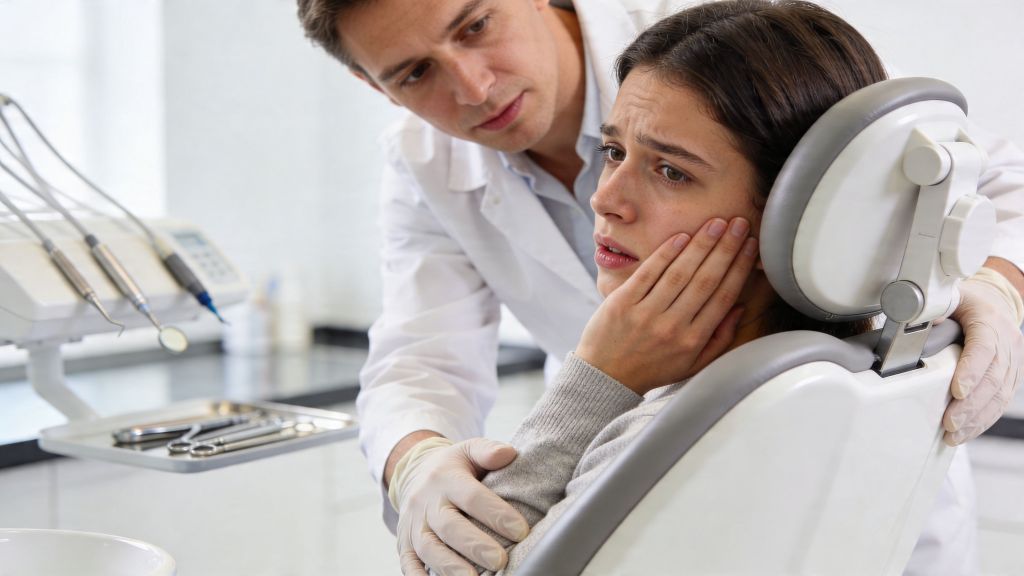
Key Situations Requiring Immediate Dental Attention
Certain symptoms and injuries demand immediate professional help. If you experience any of the following scenarios, you should contact an emergency dentist right away.
Severe Toothaches
A severe, persistent toothache is a clear signal that something is wrong. This type of pain often indicates a deep infection, severe dental decay, or an exposed nerve. Unlike a minor sensitivity to hot or cold drinks, a severe toothache can cause sharp, throbbing pain that radiates through your jaw and prevents you from sleeping or eating.
Potential causes include a dental abscess, advanced cavities, or a cracked tooth that has reached the sensitive inner pulp. While you wait for your emergency appointment, you can rinse your mouth with warm salt water and gently floss around the affected tooth to remove any trapped debris. Over-the-counter pain relievers can help manage the discomfort, but you should never apply painkillers directly to the gums, as this can burn the tissue.
Chipped, Cracked, or Broken Teeth
Teeth are incredibly strong, but they can still chip, crack, or break due to trauma or biting on hard objects. A minor chip might only need a cosmetic fix, but a severe fracture is a dental emergency. If the crack extends deep into the tooth, it can expose the sensitive nerves and blood vessels inside.
Leaving a severely fractured tooth untreated increases the risk of serious infection and further breakage. If you break a tooth, rinse your mouth with warm water. If there is bleeding, apply a piece of gauze to the area with gentle pressure. If you can find the broken piece of the tooth, bring it with you to the dentist.
Knocked-Out (Avulsed) Teeth
A knocked-out tooth is one of the most time-sensitive dental emergencies you can face. Dental professionals refer to this as an avulsed tooth. There is a “golden hour” for saving a knocked-out tooth; if you can get to a dentist within 30 to 60 minutes, the chances of successfully re-implanting the tooth are significantly higher.
If your tooth is knocked out, pick it up by the crown (the top part), never by the roots. Rinse it gently with water if it is dirty, but do not scrub it or remove any attached tissue fragments. If possible, gently place the tooth back into its socket and hold it there. If that is not possible, place the tooth in a small container of milk or hold it in your cheek to keep it moist while you rush to the dental office.
Loose or Lost Fillings and Crowns
Fillings and crowns protect damaged or decayed teeth. When one of these restorations becomes loose or falls out entirely, it leaves the vulnerable inner layers of your tooth exposed. This can cause immediate and intense sensitivity to temperature changes and pressure.
Delaying treatment for a lost crown or filling allows food particles and bacteria to enter the unprotected tooth, potentially leading to rapid decay or a deep infection. As a temporary measure, you can use a small piece of sugarless gum or over-the-counter dental cement to cover the exposed tooth cavity. However, you still need to see a dentist immediately to have the restoration replaced.
Abscess or Swelling in the Mouth and Jaw
A dental abscess is a localized collection of pus caused by a bacterial infection. Signs and symptoms of an abscess include severe, throbbing pain, visible swelling in the gums or jaw, a bad taste in your mouth, and sometimes a fever.
An untreated dental abscess is a serious medical and dental emergency. The infection can spread from the tooth roots into the jawbone, surrounding tissues, and even into your bloodstream, causing systemic health issues. If you notice swelling accompanied by a fever or difficulty breathing and swallowing, seek emergency care immediately.
Unexplained Bleeding from the Mouth
While a small amount of bleeding after flossing might just indicate sensitive gums, persistent or heavy bleeding from the mouth is a major red flag. This can occur after a sports injury, an accident, or following a recent tooth extraction if the blood clot fails to form properly.
If you experience persistent bleeding that does not stop after applying pressure with clean gauze for 15 to 20 minutes, you need to seek immediate help. Excessive bleeding can be a sign of severe tissue trauma or an underlying clotting issue that requires medical attention.
Soft Tissue Injuries to Gums, Lips, and Cheeks
Your teeth are not the only parts of your mouth vulnerable to injury. Lacerations, punctures, and significant trauma to the gums, tongue, cheeks, or lips can cause heavy bleeding and intense pain. These soft tissue injuries often result from accidental bites, sports impacts, or falls.
To manage the bleeding, clean the area gently with warm water and apply pressure with a clean cloth or gauze. Using a cold compress on the outside of the mouth or cheek can help reduce swelling. If the bleeding is severe or the cut appears deep enough to require stitches, you should seek immediate care.
Jaw Pain or Injury
A hard blow to the face can cause a dislocated or fractured jaw. Signs of a severe jaw injury include extreme pain, difficulty opening or closing your mouth, a misaligned bite, and swelling.
Because a jaw injury can affect your ability to breathe, speak, and eat, it requires an immediate professional assessment. In some severe cases of facial trauma, a visit to the emergency room might be necessary before seeing a dentist.

General First Aid for Dental Emergencies
When a dental emergency strikes, knowing how to administer basic first aid can prevent further damage and keep you comfortable until you reach the dentist.
First, stay calm and assess the situation. Panic can increase your heart rate and worsen bleeding. For pain management, rely on over-the-counter pain relievers and apply a cold compress to the outside of your cheek to numb the area and reduce swelling.
To control bleeding, use sterile gauze and apply firm, steady pressure. Protect the injured area by avoiding hard foods, extremely hot or cold drinks, and aggressive brushing. Finally, know when to go to an ER versus a dental office. If you have a broken jaw, severe facial trauma, or swelling that impairs your breathing, head to the nearest emergency room. For tooth-specific issues, call your emergency dentist.
The Dental Retreat: Your Partner in Emergency Care
When disaster strikes, you need a reliable, highly skilled professional by your side. Located in Katy, TX, The Dental Retreat is led by Dr. Rabeea Afzal, who is dedicated to providing compassionate, prompt care when you need it most.
Our philosophy centers on alleviating your pain quickly while providing lasting, high-quality solutions. We offer comprehensive services specifically designed for dental emergencies, including:
Same-day appointments: We prioritize urgent cases to ensure you are not left waiting in pain.
Advanced diagnostic tools: State-of-the-art imaging allows us to pinpoint the root cause of your emergency quickly and accurately.
Experienced dental team: Dr. Afzal and our staff are highly trained in handling stressful emergency situations with a calm, comforting approach.
A wide range of treatments: Whether you require an emergency root canal, a gentle extraction, or a rapid filling or crown replacement, we have the expertise to restore your smile on-site.
Our team remains deeply committed to your comfort and safety. From the moment you walk through our doors in Katy, TX, we focus on calming your anxiety and providing effective, painless relief.
Reducing Your Risk of Dental Emergencies
While you cannot predict every accident, you can take proactive steps to reduce your risk of experiencing a dental emergency.
Regular dental check-ups and professional cleanings are your first line of defense. Dr. Afzal can identify weakened teeth, early decay, or faulty restorations before they turn into painful emergencies. Maintaining good oral hygiene practices at home—brushing twice a day and flossing daily—keeps your teeth and gums strong.
If you or your children play contact sports, wearing a custom-fitted mouthguard absorbs shock and protects teeth from sudden impacts. Furthermore, avoid chewing on hard objects like ice, popcorn kernels, or hard candies, as these can easily crack a tooth. By addressing minor issues immediately, you prevent them from escalating into full-blown emergencies.

Don’t Wait to Protect Your Smile
Ignoring dental warning signs can turn a small problem into a severe crisis. Whether you are dealing with a knocked-out tooth, a painful abscess, or a broken crown, seeking immediate professional care is the best way to save your smile and protect your overall health.
You do not have to endure dental pain alone. If you are experiencing a dental emergency, do not wait for the problem to worsen. Contact Dr. Rabeea Afzal and the experienced team at The Dental Retreat in Katy, TX, right away to get the prompt, compassionate care you deserve.
The Dental Retreat
https://www.google.com/maps?cid=12091687882530918159
28047 Stockdick School Rd #200, Katy, TX 77493
(281) 717-6696
https://dentalretreattx.com/