How to Care for Your Teeth During Clear Aligner Treatment
Clear aligners have revolutionized modern orthodontics. Instead of dealing with metal brackets and wires, patients can now straighten their teeth discreetly using transparent, removable trays. This convenience makes them a popular choice for adults and teens looking to achieve a perfectly aligned smile without drawing attention to their dental work.
However, opting for a removable appliance means taking on a significant amount of personal responsibility. Your trays fit snugly against your teeth, creating a localized environment where bacteria can easily thrive if left unchecked. Proper oral hygiene during clear aligner treatment is absolutely essential to prevent cavities, gum disease, and permanent staining.
This comprehensive guide covers everything you need to know about protecting your teeth and keeping your aligners crystal clear. From daily cleaning routines and dietary habits to troubleshooting common issues and finding the right dental support, you will learn exactly how to manage your oral health throughout your entire orthodontic journey.
Understanding Clear Aligner Treatment
To get the most out of your treatment, you need to understand exactly what you are working with. Clear aligners are fundamentally different from traditional braces, requiring a unique approach to maintenance.
How Clear Aligners Work
Clear aligners gently apply targeted pressure to specific teeth, gradually shifting them into their correct positions over time. You typically wear a set of trays for one to two weeks before moving on to the next set in the series. For the treatment to be effective, you must wear the aligners for 20 to 22 hours every single day, removing them only to eat, drink anything other than water, and brush your teeth.
Advantages Over Traditional Braces
The most obvious benefit is aesthetic; the clear plastic is nearly invisible. Because the trays are removable, you have no dietary restrictions. You can eat hard, crunchy, or sticky foods simply by taking your aligners out beforehand. Brushing and flossing also remain straightforward, as you do not have to navigate around metal wires and brackets.
The Commitment to Oral Care
With this freedom comes a strict requirement for discipline. Because the aligners tightly cover your teeth, any food particles or sugary liquids left on your enamel are trapped directly against the tooth surface. Saliva, which naturally washes away bacteria and neutralizes acids, cannot reach your teeth while the aligners are in place. This makes rigorous brushing and flossing mandatory every time you eat.
Essential Daily Care for Your Clear Aligners
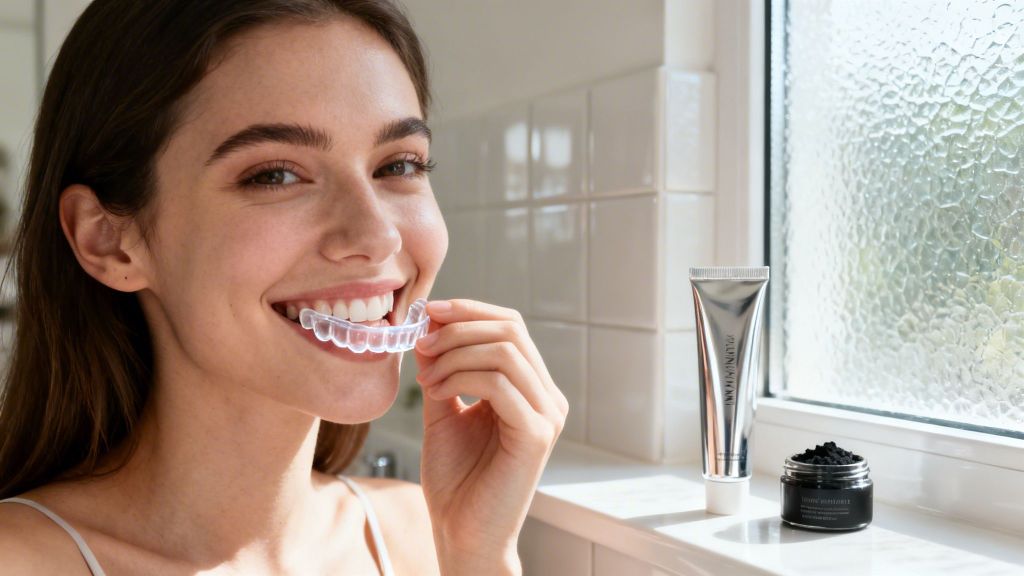
Keeping your aligners clean is just as important as keeping your teeth clean. Dirty aligners will transfer bacteria straight to your gums and make your discreet treatment visibly cloudy and unappealing.
Cleaning Your Aligners: Best Practices
Developing a consistent cleaning habit will keep your trays fresh and transparent.
Rinsing: Rinse your aligners under cool or lukewarm water the moment you take them out. This prevents saliva and plaque from drying into a hard, invisible crust.
Brushing (Soft Toothbrush Only): Use a separate, soft-bristled toothbrush to gently clean the inside and outside of your trays. Avoid using regular toothpaste, as it often contains abrasives that can scratch the plastic, creating micro-crevices where bacteria collect.
Soaking Solutions: Soak your aligners daily in a specialized aligner cleaner or denture-cleaning tablet. This helps break down stubborn plaque and keeps the plastic looking completely transparent.
What NOT to Do with Your Aligners
Certain habits can ruin your aligners in a matter of seconds.
Eating and Drinking (Staining and Damage): Never consume food or colored beverages while wearing your trays. Hot drinks like coffee or tea will permanently warp the plastic, ruining the precise fit needed to move your teeth. Dark liquids will stain the aligners a noticeable yellow or brown.
Using Harsh Cleaning Agents: Never use hot water, bleach, alcohol-based mouthwash, or harsh soaps to clean your aligners. These will degrade the material, compromise the fit, and introduce toxic chemicals to your mouth.
Comprehensive Oral Hygiene During Treatment
Your standard morning and evening dental brushing routine needs an upgrade. During aligner treatment, oral hygiene becomes an all-day event.
Brushing Techniques for Aligner Wearers
Whenever you consume anything other than plain water, you need to brush your teeth before putting your trays back in.
Importance of Brushing After Every Meal
If you put your aligners over unbrushed teeth, you are essentially creating a greenhouse for cavity-causing bacteria. Keep a travel toothbrush with you at work, at school, and in your car.
Choosing the Right Toothbrush and Toothpaste
Opt for a soft-bristled toothbrush to avoid gum irritation. A fluoride toothpaste will help strengthen your enamel and protect against the increased risk of decay during treatment.
The Non-Negotiable Role of Flossing
Brushing alone cannot reach the tight spaces between your teeth, which are actively shifting during treatment.
Traditional Flossing
Floss at least once a day, ideally at night. As your teeth move, you might notice new gaps forming where food can easily get trapped.
Water Flossers
If you struggle with traditional string floss, a water flosser is an excellent investment. It uses a targeted stream of water to flush out debris from between your teeth and along the gumline.
Mouthwash: A Supplemental Tool
Mouthwash can help eliminate lingering bacteria, but you must choose the right type.
Alcohol-Free Options
Always select an alcohol-free mouthwash. Alcohol causes dry mouth, which reduces saliva production and increases the risk of tooth decay.
Therapeutic vs. Cosmetic Mouthwashes
Look for a therapeutic mouthwash containing fluoride or antibacterial ingredients, rather than a cosmetic wash that only temporarily masks bad breath.
Dietary Considerations for Clear Aligner Patients
While you can technically eat whatever you want when your trays are out, certain dietary choices will make your treatment much smoother.
Foods to Avoid (Even When Aligners Are Out)
Try to limit highly sugary or acidic foods. Candies, sodas, and citrus fruits weaken enamel. If you do consume them, wait about 30 minutes before brushing your teeth, as brushing immediately after eating acidic foods can damage your softened enamel.
The Importance of Hydration (Water is Your Best Friend)
Water is the only beverage you can safely consume while wearing your aligners. Drinking plenty of water throughout the day stimulates saliva production, prevents dry mouth, and helps rinse away stray bacteria.
Chewing Gum and Mints: A Cautionary Tale
Never chew gum with your clear aligners in, as it will stick instantly to the plastic and ruin the tray. If you want a breath mint, ensure you remove your aligners first, and opt for sugar-free varieties to prevent cavities.
Managing Common Challenges and Concerns
Orthodontic treatment requires an adjustment period. Knowing how to handle minor issues will keep you on track.
Dealing with Discomfort and Soreness
It is entirely normal to experience some soreness for the first few days after switching to a new set of trays. This indicates that your teeth are moving. Switching to your new trays right before bed can help you sleep through the most uncomfortable hours.
Addressing Stains on Aligners or Teeth
If your aligners become stained, do not try to scrub them with abrasive cleaners. Stick to designated soaking crystals. If you notice your teeth are becoming stained, it usually means you need to brush more thoroughly after drinking coffee or tea before putting your aligners back in.
What to Do If an Aligner is Lost or Damaged
Accidents happen. If you lose or crack an aligner, contact your dentist immediately. Do not try to wear a broken tray, as it can push your teeth in the wrong direction. Your dentist will usually advise you to wear your previous tray or move on to the next one early to prevent your teeth from shifting backward.
Bad Breath Concerns
Bad breath during treatment is almost always a sign of trapped bacteria or dry mouth. Increase your water intake, ensure you are brushing your tongue, and double down on your daily aligner cleaning routine.
Regular Dental Check-ups and Professional Cleanings
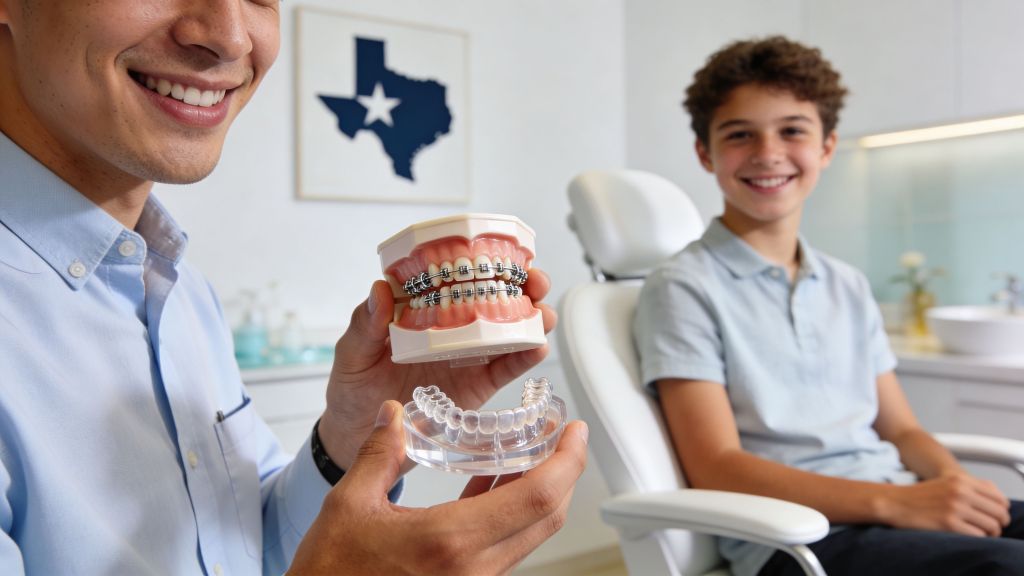
Your at-home care routine is only half the equation. Professional oversight is critical to ensure your teeth remain healthy and your alignment is progressing properly.
Why Routine Visits are Crucial
You should still see your dentist for standard check-ups and cleanings every six months, regardless of your orthodontic schedule. Professional cleanings remove hardened tartar that your toothbrush simply cannot handle.
The Role of Your Dentist and Orthodontist
Your provider monitors your progress, ensures your teeth are tracking properly with the aligners, and can make minor adjustments to your treatment plan if necessary.
The Dental Retreat: Your Partner in Oral Health
If you are located in or around Katy, TX, Dr. Rabeea Afzal and the team at The Dental Retreat provide exceptional care tailored specifically to clear aligner patients.
Our Approach to Aligner Patient Care:
We believe that straightening your teeth should never compromise your overall oral health. We closely monitor your enamel and gums throughout the entire alignment process.
Services Offered at The Dental Retreat:
From digital scanning and aligner fittings to routine cleanings and cavity prevention, we offer comprehensive services under one roof.
Why Choose The Dental Retreat for Your Aligner Journey:
Dr. Rabeea Afzal brings extensive experience and a gentle touch to every procedure. We prioritize patient education, ensuring you have the tools, knowledge, and support needed to keep your smile radiant from your first tray to your last.
Life After Clear Aligner Treatment
The day you remove your final set of aligners is a major milestone, but your orthodontic journey does not end there.
The Importance of Retainers
Teeth have a natural tendency to shift back to their original positions. Wearing a retainer is the only way to protect your investment. You will likely need to wear it full-time for a few months before transitioning to nighttime-only wear.
Maintaining Your New Smile
Your retainer requires the same diligent cleaning routine as your active aligners. Continue brushing, flossing, and soaking your retainer daily to keep it clear and hygienic.
Long-Term Oral Health Strategies
With beautifully straight teeth, brushing and flossing are highly effective. Continue scheduling regular cleanings, maintain a balanced diet, and prioritize your daily oral hygiene routine.
Enjoying Your Confident, Healthy Smile
Achieving a perfectly straight smile using clear aligners implant is a highly rewarding process. While it requires dedication and a strict oral hygiene routine, the end result is well worth the effort. By brushing after every meal, keeping your trays meticulously clean, and avoiding dietary pitfalls, you protect your teeth from decay and ensure your treatment stays on track.
Remember that you are not on this journey alone. Book a consultation with Dr. Rabeea Afzal at The Dental Retreat in Katy, TX, to receive personalized guidance and professional care throughout your clear aligner treatment. Take the first step toward a healthier, more confident smile today.
The Dental Retreat
https://www.google.com/maps?cid=12091687882530918159
28047 Stockdick School Rd #200, Katy, TX 77493
(281) 717-6696
https://dentalretreattx.com/