Understanding Gum Disease Stages and Treatment Options
A healthy smile starts long before you even look at your teeth. The foundation of your entire mouth relies heavily on the health of your gums. Despite this, millions of adults unknowingly suffer from some form of periodontal issues. The Centers for Disease Control and Prevention reports that nearly half of all adults aged 30 and older have signs of gum disease. This staggering statistic highlights a silent epidemic that can lead to severe dental and systemic complications if left ignored.
Catching gum issues early is the absolute best way to protect your smile. When you spot the warning signs and act quickly, you can reverse the damage completely. Delaying care allows the condition to progress into a much more severe and permanent problem. Regular check-ups serve as your first line of defense against this progression, catching tiny changes before they become major health hurdles.
That is exactly where the team at The Dental Retreat comes in. Located in Katy, TX, our practice focuses on providing comprehensive, compassionate oral health care. Dr. Rabeea Afzal and her team partner with you to monitor your gum health, identify risks, and stop disease in its tracks. Let us look closely at how gum disease develops, the stages it progresses through, and the treatments available to keep your smile vibrant.
What is Gum Disease?
Gum disease, clinically known as periodontal disease, is an infection of the tissues that hold your teeth in place. It typically results from poor brushing and flossing habits that allow sticky plaque to build up on the teeth and harden.
From Plaque to Tartar
Every time you eat or drink, a sticky film of bacteria called plaque forms on your teeth. If you do not brush and floss this plaque away daily, it eventually hardens into a substance called tartar, or calculus. Once tartar forms, you cannot brush it away at home. It requires professional dental tools to remove.
The Role of Bacteria
Tartar acts as a safe harbor for harmful bacteria. These bacteria release toxins that irritate the delicate gum tissue surrounding your teeth. The body responds to this bacterial invasion with an inflammatory response. The longer the bacteria remain, the more intense the inflammation becomes, eventually leading to the breakdown of gum tissue and the underlying bone.

The Stages of Gum Disease
Periodontal disease does not happen overnight. It develops gradually through distinct stages, each bringing more severe symptoms and requiring more intensive care.
Gingivitis: The First Warning Sign
Gingivitis is the earliest and mildest stage of gum disease. At this point, the infection only affects the surface layers of the gum tissue. You might notice your gums looking red, feeling slightly swollen, or bleeding easily when you brush or floss. Because no bone or connective tissue damage has occurred yet, gingivitis is entirely reversible. Improved daily oral hygiene and a professional cleaning at The Dental Retreat can usually clear it up completely.
Mild Periodontitis
If gingivitis goes untreated, it advances to mild periodontitis. The inner layer of the gum and bone begin to pull away from the teeth, forming small spaces called periodontal pockets. These pockets collect debris and bacteria, allowing the infection to travel deeper below the gum line. At this stage, the damage to the bone and supporting fibers begins. While you cannot fully reverse this damage, professional intervention can halt its progress and manage the condition.
Advanced Periodontitis
This is the most severe stage of the disease. The bacteria have now destroyed a significant amount of the bone and tissues supporting your teeth. The periodontal pockets become exceptionally deep. Your teeth may shift, become very loose, or even fall out entirely. Advanced periodontitis severely impacts your ability to chew and speak properly. It often requires extensive surgical treatment to save the remaining teeth and restore oral function.
Warning Signs to Watch For
Gum disease can sometimes be painless in its early stages, making it easy to overlook. However, your body usually provides subtle clues that something is wrong. You should monitor your mouth for:
Red, swollen, or tender gums
Gums that bleed when you brush, floss, or eat hard foods
Persistent bad breath or a bad taste in your mouth
Gums pulling away from your teeth, making teeth look longer
Pus between your gums and teeth
Changes in the way your teeth fit together when you bite
If you notice any of these symptoms, you should schedule a visit to The Dental Retreat immediately. Early intervention makes treatment significantly easier and more successful.
Common Risk Factors for Gum Disease
While plaque buildup is the primary cause of periodontal disease, several other factors can increase your risk of developing the condition.
Poor Oral Hygiene
Failing to brush twice a day and floss regularly allows plaque to accumulate and harden into tartar. Over time, this buildup irritates the gums, leading to inflammation and the development of gum disease. Maintaining a consistent oral hygiene routine remains the most significant preventable measure against periodontal disease.
Smoking and Tobacco Use
Using tobacco products dramatically increases your risk of developing gum disease. Smoking interferes with the normal function of gum tissue cells, making the mouth more susceptible to infections. Additionally, it reduces blood flow to the gums, impairing their ability to heal properly and worsening the severity of periodontal issues.
Genetic Predisposition
Some individuals are genetically predisposed to severe periodontal disease. If close family members, like parents or siblings, have experienced gum problems or tooth loss, this may indicate a heightened risk. Being mindful of this genetic factor is essential so you can take proactive steps to protect your oral health.
Systemic Health Conditions
Diseases that interfere with the body’s immune system can worsen the condition of your gums. Diabetes is a major risk factor. High blood sugar levels can lead to increased sugar in your saliva, promoting bacterial growth. In turn, severe gum disease can make it harder for diabetics to control their blood sugar.

Treatment Options for Gum Disease
The specific treatment you need depends entirely on the stage of your disease, your overall health, and how well you have responded to earlier treatments.
Non-Surgical Treatments
For early-stage gum disease, Dr. Rabeea Afzal typically recommends non-surgical approaches.
Professional Cleaning and Scaling
The dental hygienist carefully removes plaque and tartar from above and below the gum line. Root planing then smooths rough spots on the tooth root, removing bacterial toxins and providing a clean surface for the gums to reattach.
Antibiotic Therapy
We may use topical or oral antibiotics to help control bacterial infection. This might include antibiotic mouth rinses or the insertion of localized antibiotic gels directly into the periodontal pockets after scaling and root planing.
Surgical Treatments
When non-surgical treatments are not enough to control the infection, surgical intervention becomes necessary.
Flap Surgery
The dentist lifts back the gums to remove the tartar located deep underneath. The gums are then sutured back in place so they fit tightly around the tooth, reducing the pocket size.
Bone and Tissue Grafts
If the disease has destroyed the bone surrounding your tooth root, a bone graft can help secure the tooth and promote new bone growth. Soft tissue grafts can reinforce thin gums or fill in places where the gums have receded.
At The Dental Retreat, we understand that no two smiles are identical. We customize every treatment plan to address your specific symptoms, lifestyle, and oral health goals.
The Connection Between Gum Disease and Overall Health
Your mouth is the gateway to the rest of your body. An infection in your gums does not simply stay in your mouth. The bacteria responsible for periodontitis can enter your bloodstream through normal activities like chewing or brushing.
Extensive research links severe gum disease to various systemic health issues. People with periodontal disease face a higher risk of developing cardiovascular disease, including heart attacks and strokes. The inflammation associated with gum disease is believed to worsen heart conditions. Additionally, pregnant women with severe gum disease are at a higher risk of delivering premature, low-birth-weight babies. Maintaining your oral health is a critical component of maintaining your overall physical well-being.
Preventing Gum Disease
The best way to manage gum disease is to prevent it from starting in the first place. You have complete control over the daily habits that protect your smile.
Daily Oral Hygiene
Brush your teeth at least twice a day with fluoride toothpaste to protect against cavities and gum disease. Floss daily to remove plaque and food particles from areas your toothbrush cannot reach. Incorporating an antimicrobial mouthwash can further reduce bacteria, promoting healthier gums and fresher breath.
Regular Dental Check-Ups
Schedule a visit to The Dental Retreat every six months for professional cleanings and examinations. Regular check-ups help identify issues early and prevent tartar buildup. If you are at a higher risk for gum disease, we may suggest more frequent visits to ensure your oral health remains under control.
Lifestyle Changes
Avoid smoking to reduce gum disease risk and support overall health. Maintain a balanced diet full of vitamins and minerals to strengthen your immune system and support gum health. Properly managing chronic health conditions, such as diabetes, also plays a crucial role in preventing gum disease complications.
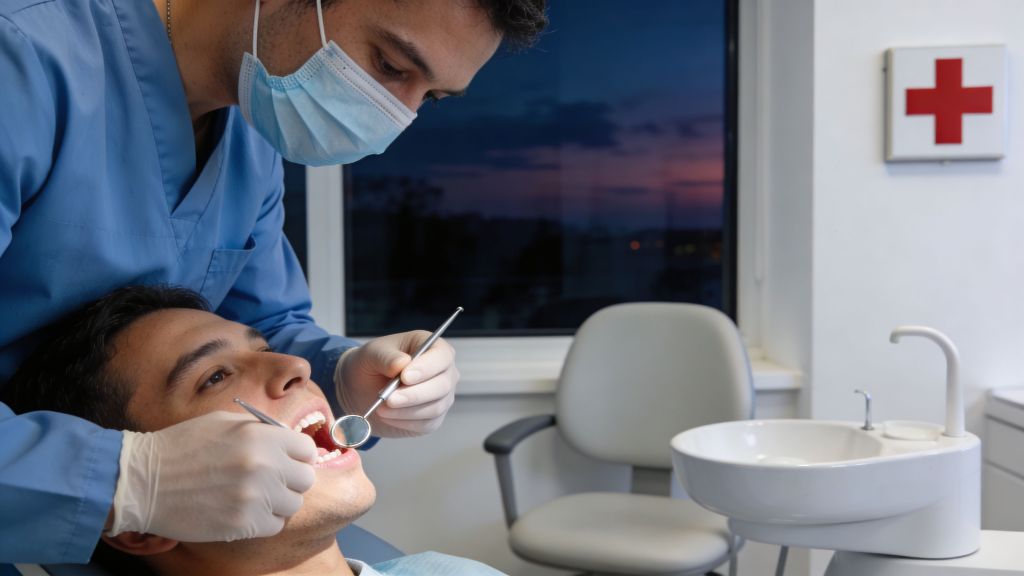
Why Choose The Dental Retreat for Your Gum Health?
Finding a dental practice you trust makes all the difference in your oral health journey. Dr. Rabeea Afzal and the team at The Dental Retreat in Katy, TX, provide an exceptional standard of care for patients dealing with periodontal issues.
Our Approach to Periodontal Care
We believe in a proactive, educational approach to dentistry. We take the time to explain what is happening in your mouth, showing you exactly where the problem areas are and explaining how to fix them. We want you to feel empowered and confident in the decisions you make regarding your treatment.
Experienced Team and Advanced Technology
Our practice utilizes modern dental technology to accurately diagnose and treat gum disease. From digital imaging that clearly shows bone levels to ultrasonic scalers that comfortably remove tartar, we invest in tools that make your visits as efficient and painless as possible.
Personalized Treatment Plans
We do not believe in one-size-fits-all dentistry. Dr. Afzal evaluates your specific medical history, the current state of your gums, and your personal preferences to design a treatment protocol that works uniquely for you.
Take Action Today
Understanding the stages and treatments of gum disease is the first step toward reclaiming your oral health. From the early warning signs of gingivitis to the severe complications of advanced periodontitis, time is always of the essence. You have the power to stop the infection, protect your teeth, and safeguard your overall physical health.
Do not wait for your gums to start hurting before you seek help. Protect your smile by prioritizing your gum care right now. Contact The Dental Retreat in Katy, TX, to schedule a comprehensive evaluation with Dr. Rabeea Afzal. We are ready to help you achieve a healthier, happier smile.
The Dental Retreat
https://www.google.com/maps?cid=12091687882530918159
28047 Stockdick School Rd #200, Katy, TX 77493
(281) 717-6696
https://dentalretreattx.com/