Early Signs of Gum Disease You Shouldn’t Ignore
A healthy smile relies on much more than just straight, white teeth. The foundation of your oral health actually lies just below the surface, rooted firmly in your gums. Gum disease is a common but highly preventable condition that affects millions of adults worldwide. Unfortunately, because the early symptoms are often mild and painless, many people do not realize they have a problem until it has progressed to a more severe stage.
Catching gum disease early can mean the difference between a simple, reversible treatment and a complex, long-term dental battle. When left unchecked, this condition can lead to severe pain, significant bone loss, and eventually tooth loss. Emerging research also strongly links poor gum health to broader medical issues, making your oral hygiene routine a critical component of your overall physical well-being.
By learning to recognize the subtle, early warning signs, you can take immediate action to protect your smile. This guide covers the stages of gum disease, the specific symptoms you need to watch out for, and how the team at The Dental Retreat in Katy, TX, can help you maintain optimal oral health.
Understanding the Stages of Gum Disease
Gum disease, clinically known as periodontal disease, develops gradually. It generally occurs in two main phases, each requiring a different level of professional intervention.
Gingivitis: The Reversible Stage
Gingivitis is the earliest and mildest form of gum disease. It occurs when plaque—a sticky film of bacteria—builds up on teeth and along the gumline. This bacteria produces toxins that irritate the gum tissue, leading to inflammation. At this point, the underlying bone holding your teeth in place is not yet affected. With prompt professional care and an improved daily oral hygiene routine, gingivitis is entirely reversible.
Periodontitis: The Advanced Stage
If gingivitis is ignored, it advances into periodontitis. The inner layer of the gum and bone begin to pull away from the teeth, forming deep pockets. These spaces collect debris and bacteria, eventually leading to infection. As your immune system fights the spreading bacteria, the bone and connective tissue holding your teeth in place begin to break down. Without aggressive treatment, the teeth may eventually loosen and need to be removed.

Early Warning Signs You Shouldn’t Ignore
Paying close attention to your mouth while brushing and eating can help you spot issues before they escalate. Watch for these common early indicators of gum distress.
Bleeding Gums: A Critical Indicator
Gums should never bleed during normal brushing or flossing. Seeing pink in the sink when you spit is one of the most common and earliest signs of gingivitis. Healthy gum tissue is strong and resilient, so bleeding indicates active inflammation and bacterial buildup along the gumline.
Red, Swollen, or Tender Gums
Healthy gums are typically a firm, pale pink color. If your gums look noticeably red, feel puffy to the touch, or cause discomfort when you chew, they are likely inflamed. Swelling is the body’s natural response to the bacteria trapped in plaque and tartar.
Persistent Bad Breath (Halitosis)
Everyone experiences morning breath, but bad breath that simply refuses to go away is a red flag. The bacteria responsible for gum disease produce sulfur compounds as they multiply. If mouthwash and mints only provide temporary relief, the underlying cause might be a bacterial infection in your gums.
Gum Recession: Lengthening Teeth
Do your teeth look longer than they used to? Gum recession happens when the tissue surrounding the teeth pulls back, exposing more of the tooth or its root. This not only changes the appearance of your smile but also creates tiny ledges where even more bacteria can hide and thrive.
Sensitive Teeth
As gums recede and expose the sensitive dentin underneath the tooth enamel, you might experience sharp pain when consuming hot, cold, or sweet foods and drinks. Sudden tooth sensitivity is a strong indicator that your gums are no longer providing adequate protection for your tooth roots.
Changes in Bite or Denture Fit
As periodontitis damages the bone supporting your teeth, the teeth can begin to shift slightly. You might notice that your teeth fit together differently when you bite down. For patients who wear partial dentures, a sudden change in how the appliance fits can also signal underlying bone and tissue loss.
Risk Factors for Gum Disease
While plaque is the primary cause of gum disease, several distinct risk factors can significantly increase your chances of developing the condition.
Poor Oral Hygiene
Skipping brushing or flossing allows plaque to harden into tartar, which can only be removed by a dental professional. A lack of consistent, daily oral care is the most common reason people develop gingivitis.
Smoking and Tobacco Use
Tobacco usage is one of the most significant risk factors associated with the development of periodontal disease. Smoking weakens your immune system, making it much harder for your body to fight off a gum infection. It also makes treatments less successful and healing much slower.
Genetics
Some people are simply more prone to severe gum disease than others. If your parents or grandparents suffered from premature tooth loss or periodontal issues, you should be particularly vigilant about your oral health routines and check-ups.
Hormonal Changes (Pregnancy, Menopause)
Fluctuations in hormone levels can make gums more sensitive and vulnerable to plaque. Conditions like “pregnancy gingivitis” are quite common, making strict oral hygiene and extra dental visits crucial during these life stages.
Certain Medications
Hundreds of prescription and over-the-counter medications reduce the flow of saliva. Saliva has a protective effect on the mouth, washing away food particles and neutralizing bacterial acids. Other drugs can cause abnormal overgrowth of the gum tissue, making it difficult to keep teeth clean.
Systemic Diseases (Diabetes, etc.)
Conditions that interfere with the body’s immune system can worsen the health of your gums. People with unmanaged diabetes are at a particularly high risk of developing severe infections, including periodontal disease, because high blood sugar levels encourage bacterial growth in the mouth.
The Impact of Untreated Gum Disease
Ignoring the early signs of gum disease does not just put your smile at risk. The consequences can extend far beyond your mouth.
Oral Health Complications (Tooth Loss, Bone Damage)
The most direct consequence of advancing periodontitis is the destruction of the jawbone and the loss of teeth. Treating this level of damage often requires expensive, invasive procedures like bone grafts and dental implants to restore basic function and aesthetics.
Systemic Health Connections (Heart Disease, Diabetes, etc.)
Medical researchers have established strong links between periodontal disease and serious systemic conditions. The bacteria from your gums can enter your bloodstream, potentially contributing to heart disease, strokes, and respiratory infections. For pregnant women, untreated gum disease is linked to premature birth and low birth weight.
Prevention and Early Intervention Strategies
Keeping your gums healthy requires a proactive approach. Implementing a few fundamental habits can keep gingivitis at bay entirely.
Best Practices for Oral Hygiene
Your first line of defense is what you do in your own bathroom every morning and night.
Brushing Techniques
Brush your teeth at least twice a day using a soft-bristled toothbrush and fluoride toothpaste. Hold the brush at a 45-degree angle to the gums and use short, gentle, back-and-forth strokes.
Flossing Importance
Brushing alone cannot reach the tight spaces between your teeth. Flossing once a day removes plaque and food particles from areas where a toothbrush simply cannot fit.
Mouthwash Usage
Using an antimicrobial mouthwash can help reduce plaque and remove remaining food particles that brushing and flossing missed. It also helps control the bacteria responsible for bad breath.
Regular Dental Check-ups and Cleanings
Professional cleanings are the only way to remove hardened tartar from your teeth. Visiting your dentist every six months allows them to monitor your gum health, measure gum pockets, and catch the earliest signs of disease.
Lifestyle Modifications
Maintaining a balanced diet low in sugar helps limit plaque buildup. Quitting smoking and managing systemic conditions like diabetes effectively will also massively improve your body’s ability to maintain healthy gums.
When to Seek Professional Help at The Dental Retreat
If you notice any of the warning signs discussed, do not wait for your next scheduled cleaning. Dr. Rabeea Afzal and the experienced team at The Dental Retreat in Katy, TX, are equipped to help you halt gum disease in its tracks.
Recognizing When to Visit Your Dentist
Make an appointment immediately if you experience persistent bleeding, severe pain, loose teeth, or visible pus around your gums. Early intervention by Dr. Afzal can save you from complex and costly treatments down the road.
Diagnostic Procedures at The Dental Retreat
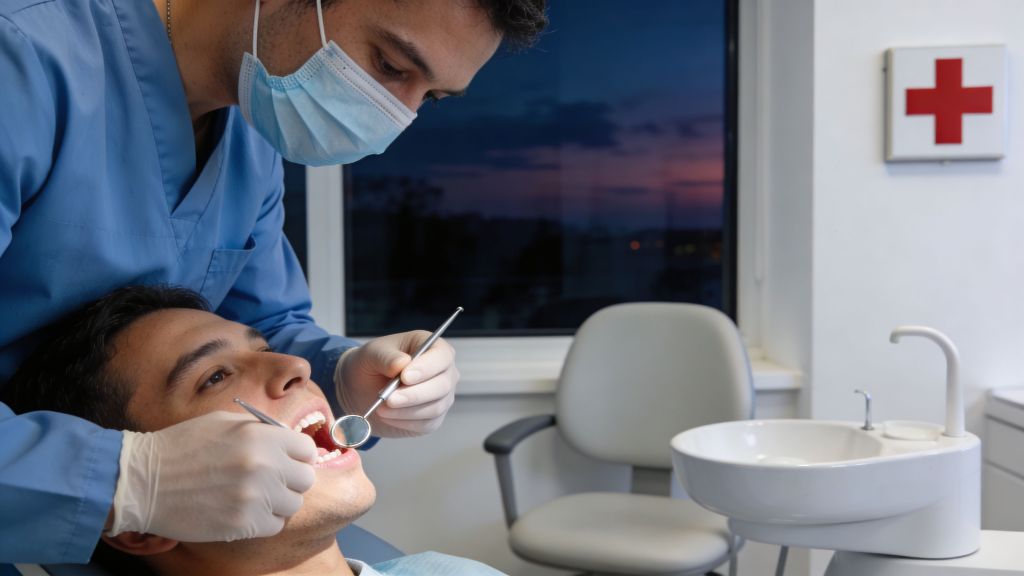
During your visit to The Dental Retreat, the team will perform a comprehensive examination. This involves measuring the depth of the pockets around your teeth using a small dental ruler. Digital X-rays will also be taken to check for any hidden bone loss beneath the gumline.
Treatment Options Available
Depending on the severity of the disease, Dr. Afzal provides several highly effective treatment paths.
Professional Cleanings (Scaling and Root Planing)
For moderate gum disease, a deep cleaning process known as scaling and root planing is performed. Scaling removes tartar and bacteria from your tooth surfaces and beneath your gums. Root planing smooths the root surfaces, discouraging further buildup and allowing the gums to reattach to the teeth.
Medications
Antibiotics may be prescribed to help control the bacterial infection. These can come in the form of topical gels applied directly into the gum pockets or oral antibiotics.
Surgical Interventions (if necessary)
In cases of advanced periodontitis, surgical treatments like flap surgery or bone and tissue grafts may be necessary to restore the health and structure of your mouth.

Maintaining Gum Health Post-Treatment
Successfully treating gum disease is a major victory, but the work does not stop there. Periodontal health requires lifelong maintenance.
Continuous Oral Hygiene Practices
After treatment, your daily brushing and flossing routine becomes more important than ever. Strict adherence to proper oral care is necessary to prevent the bacteria from returning and causing further damage.
Follow-up Appointments at The Dental Retreat
Patients who have been treated for advanced gum disease typically need more frequent cleanings—often every three to four months. The team at The Dental Retreat will establish a customized periodontal maintenance schedule to ensure your gums stay healthy.
Long-term Prevention Strategies
Commit to a healthy lifestyle, stay hydrated to promote saliva production, and keep Dr. Afzal informed about any changes in your overall health or medications. Diligent monitoring is the key to preventing a relapse.
Take Control of Your Gum Health Today
Your gums are the essential foundation of a beautiful, functional smile. By familiarizing yourself with the early warning signs like bleeding, swelling, and persistent bad breath, you have the power to stop gum disease before it causes permanent damage. Never dismiss a change in your oral health as normal wear and tear.
Protect your smile and your overall health by taking action early. Schedule a comprehensive evaluation with Dr. Rabeea Afzal at The Dental Retreat in Katy, TX, and get back on the path to optimal oral wellness today.
The Dental Retreat
https://www.google.com/maps?cid=12091687882530918159
28047 Stockdick School Rd #200, Katy, TX 77493
(281) 717-6696
https://dentalretreattx.com/