What to Do Before You Reach an Emergency Dental Appointment
A sudden jolt of pain in your mouth or an accidental impact to your face can send you into a panic. Dental injuries happen unexpectedly, and the moments immediately following the incident are critical for saving a tooth and minimizing discomfort. Knowing exactly what steps to take before you arrive at the dentist can make a massive difference in your recovery.
Taking the right preliminary actions helps prevent further damage, alleviates intense pain, and improves the overall outcome of your treatment. At The Dental Retreat, we understand how stressful these situations are, which is why our team is committed to providing prompt, effective emergency dental care when you need it most.
Here is a comprehensive guide on how to manage common dental crises before you reach the dentist’s chair.
Understanding Dental Emergencies
Not every minor tooth twinge requires immediate emergency care, but certain situations demand swift professional intervention. Recognizing what constitutes a true dental emergency is the first step toward protecting your oral health.
What Constitutes a Dental Emergency?
You should seek emergency dental care if you experience any of the following:
Severe toothache: Persistent, throbbing pain that disrupts your ability to function.
Chipped or broken teeth: Fractures that expose the inner layers of the tooth or cause significant pain.
Knocked-out tooth: A fully avulsed tooth requires immediate action to have any chance of being saved.
Lost filling or crown: Exposes sensitive tooth tissue and increases the risk of further damage or infection.
Abscess or infection: Swelling in the gums or face, often accompanied by a foul taste, fever, or difficulty swallowing.
Soft tissue injuries: Deep cuts or severe bleeding on the gums, tongue, or inside of the cheeks.
Why Immediate Action is Crucial
Acting quickly does more than just stop the pain. Prompt first aid and immediate professional care help prevent infections from spreading to other parts of your body. It also increases the likelihood of saving a damaged or knocked-out tooth, ultimately saving you from more extensive and costly procedures down the line.

First Aid for Common Dental Emergencies
Before you make it to our office, you can take a few safe, effective steps at home to stabilize the situation.
Severe Toothache
Start by thoroughly rinsing your mouth with warm salt water to clean the area. Use dental floss to gently remove any food particles that might be trapped between your teeth and causing pressure. If your face is swollen, hold a cold compress against the outside of your cheek. You can take over-the-counter pain relievers, but never apply aspirin or any other painkiller directly to your gums, as this can cause chemical burns.
Chipped or Broken Teeth
Rinse your mouth gently with warm water to wash away dirt and debris. If the injury caused bleeding in your mouth, apply a piece of clean gauze to the area with gentle pressure until the bleeding stops. Use a cold compress on your face to keep the swelling down. If you can find the broken pieces of your tooth, place them in a small container with milk or saliva and bring them with you to the dentist.
Knocked-Out Tooth (Avulsed Tooth)
A knocked-out tooth is highly time-sensitive. Pick the tooth up by the crown (the top chewing part), being careful never to touch the root. Rinse it very gently with water if it is dirty, but do not scrub it or remove any attached tissue fragments. Try to carefully reinsert the tooth back into its socket, biting down gently on a clean cloth to keep it in place. If that is not possible, keep the tooth moist by dropping it into a small cup of milk, saline solution, or your own saliva. Get to the dentist immediately—your best chance of saving the tooth is within the first hour.
Lost Filling or Crown
If a filling or crown falls out, your tooth will likely be very sensitive to temperature and pressure. As a temporary measure, you can cover the exposed area with a piece of dental wax or sugar-free chewing gum (avoid sugary gum, which will cause pain). Keep the crown in a safe place and bring it to your appointment. Avoid chewing on the affected side of your mouth until the dentist repairs it.
Dental Abscess or Infection
A dental abscess is a serious, potentially life-threatening condition if left untreated. Rinse your mouth with a mild saltwater solution to help draw the pus toward the surface and ease the pain. Under no circumstances should you attempt to pop or drain the abscess yourself. Seek professional dental emergency help immediately.
Soft Tissue Injuries
Injuries to the lips, cheeks, gums, or tongue can bleed heavily. Clean the area right away by rinsing with warm salt water. Apply direct, firm pressure to the bleeding site using a clean piece of gauze or a moistened tea bag. Hold a cold compress against the outside of your face to control swelling and bleeding.
Preparing for Your Emergency Appointment
Once you have managed the immediate first aid, your next step is to contact a dental professional. Clear communication and preparation will help the dental team treat you as efficiently as possible.
What to Communicate When You Call
When you call The Dental Retreat, provide as much clear information as possible. Describe the exact nature of the emergency—whether a tooth was knocked out, broken, or if you are experiencing severe swelling. Rate the severity of your pain on a scale from one to ten. Additionally, mention any relevant medical history, such as bleeding disorders or recent surgeries, which might affect your emergency treatment.
What to Bring With You
To ensure a smooth registration and treatment process, gather a few important items before leaving your house. Bring your photo identification and your current dental insurance information. Carry a written list of any medications you are currently taking, as well as any known allergies. Most importantly, if you have any pieces of a broken tooth, a lost crown, or a knocked-out tooth, bring them with you in a secure, moist container as described earlier.
What to Expect During Your Visit to The Dental Retreat
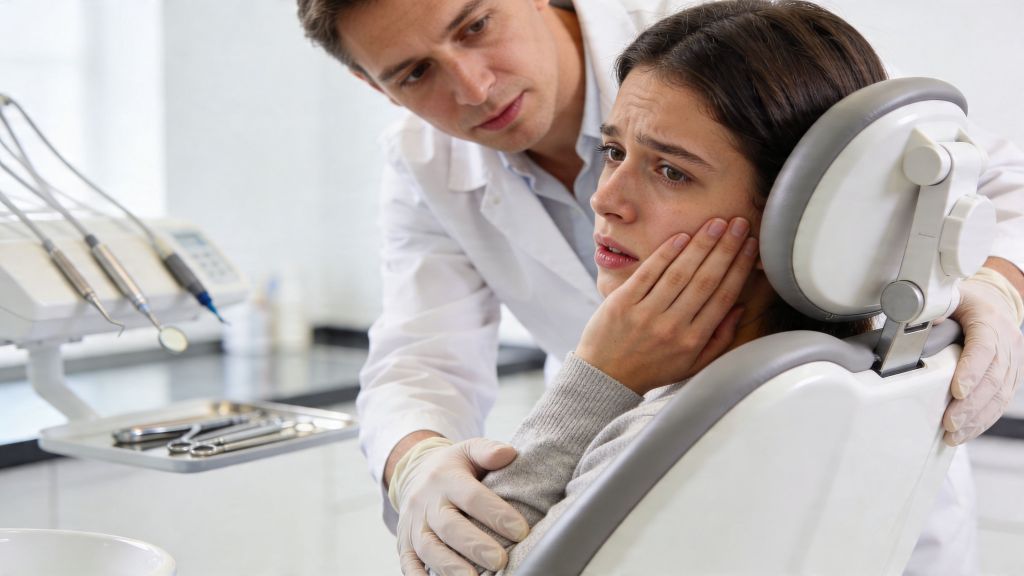
When you arrive at our clinic with a dental emergency, our primary goal is to stabilize your condition and eliminate your pain. You will go through a quick triage process to assess the urgency of your situation, followed by immediate steps for pain relief. Dr. Rabeea Afzal will then conduct a thorough examination, which usually includes taking specific X-rays to diagnose the root cause of the problem.
Once we have a clear diagnosis, we will discuss all available treatment options with you. Our team places a strong emphasis on patient comfort and comprehensive care, ensuring you understand the proposed procedures and feel completely at ease before we begin any restorative work.
The Dental Retreat’s Approach to Emergency Dental Care
At The Dental Retreat in Katy, TX, Dr. Rabeea Afzal and her team take dental emergencies seriously. We have structured our practice to respond rapidly when our patients need us the most.
State-of-the-Art Facilities and Technology
Our clinic is equipped with state-of-the-art dental technology that allows for fast, accurate diagnoses and highly effective treatments. High-resolution digital imaging helps us pinpoint hidden infections or micro-fractures instantly, ensuring that our emergency interventions are precise and successful.
Experienced and Compassionate Dental Team
Experiencing dental trauma is frightening. That is why our entire team focuses on providing compassionate, gentle care. Dr. Afzal has extensive experience handling complex dental injuries and severe oral infections. We prioritize a calming environment to help reduce the anxiety that naturally accompanies emergency visits.
Commitment to Rapid Response and Patient-Centered Care
We leave room in our daily schedules specifically to accommodate emergency cases. When you call us with a severe problem, we make every effort to see you the very same day. Our patient-centered approach means we treat the person, not just the tooth, ensuring your overall well-being and comfort are prioritized throughout the visit.
Follow-Up and Preventive Measures
Emergency care does not end when you leave the chair. We schedule necessary follow-up appointments to monitor your healing process and ensure the success of the treatment. Furthermore, we provide detailed aftercare instructions and discuss long-term strategies to restore your oral health completely.
Prevention is Key: Reducing Your Risk of Dental Emergencies
While accidents happen, many dental emergencies are entirely preventable. Taking a proactive approach to your oral health is the best way to avoid the pain and expense of sudden dental trauma.
Regular Dental Check-Ups and Cleanings
Visiting The Dental Retreat for regular check-ups and professional cleanings allows Dr. Afzal to identify and treat minor issues before they escalate. A small cavity treated today prevents a massive, painful abscess from developing tomorrow.
Good Oral Hygiene Practices
Maintaining excellent oral hygiene at home keeps your teeth strong and your gums healthy. Brush your teeth at least twice a day with fluoride toothpaste and floss daily to remove plaque and bacteria from the hard-to-reach areas between your teeth.
Wearing Mouthguards During Sports
If you or your children participate in contact sports or recreational activities with a high risk of falling, wearing a custom-fitted mouthguard is non-negotiable. A mouthguard absorbs the shock of an impact, significantly reducing the risk of broken or knocked-out teeth.
Avoiding Chewing Hard Foods
Your teeth are incredibly strong, but they are not invincible. Avoid chewing on hard items like ice cubes, unpopped popcorn kernels, hard candies, or non-food items like pens and fingernails. Additionally, never use your teeth as tools to open packages or tear off tags.
Addressing Minor Issues Early
If you feel a slight twinge of pain, notice bleeding gums, or feel a rough edge on a tooth, do not ignore it. Addressing these minor symptoms promptly at our Katy, TX office prevents them from turning into full-blown emergencies at the most inconvenient times.
Secure Your Oral Health Today
Dental emergencies are unpredictable, but your response to them does not have to be. By understanding how to manage common dental injuries and administering the correct first aid, you can protect your oral health and minimize your pain. However, home remedies are only temporary measures. Seeking prompt professional intervention is the only way to effectively resolve a dental crisis.
If you are experiencing a dental emergency, or if you simply want to establish a relationship with a trusted dental team before an emergency strikes, we are here for you. Contact The Dental Retreat in Katy, TX, today to schedule an appointment with Dr. Rabeea Afzal. Let us help you protect your smile with comprehensive, compassionate care.
The Dental Retreat
https://www.google.com/maps?cid=12091687882530918159
28047 Stockdick School Rd #200, Katy, TX 77493
(281) 717-6696
https://dentalretreattx.com/