Why Bone Health Matters for Successful Dental Implants
When most people think about dental implants, they focus on the visible result—a complete, natural-looking smile. What many patients don’t realize is that the true success of a dental implant begins beneath the surface.
Dental implants are unique because they do more than replace the visible portion of a missing tooth. They are designed to function like a natural tooth root, creating a strong foundation that supports long-term oral health and stability. For that foundation to be successful, healthy jawbone support is essential.
At The Dental Retreat, one of the first things we evaluate during the dental implant planning process is bone health. Understanding the relationship between your jawbone and dental implants can help you appreciate why thorough planning and advanced imaging are such important parts of achieving lasting results.
Dental Implants Depend on Bone Support
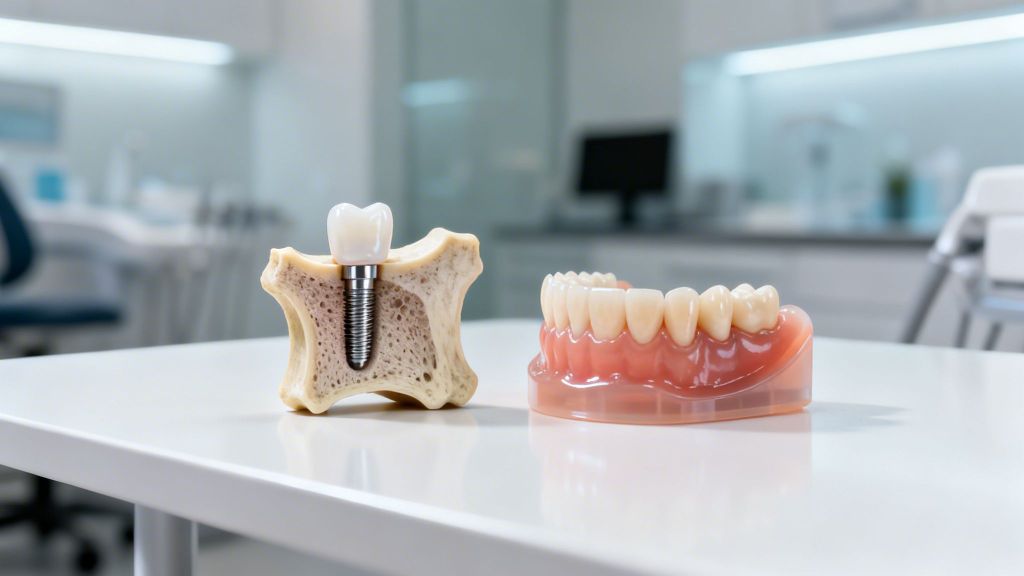
Unlike traditional tooth replacement options that rest on the gums, dental implants are placed directly into the jawbone.
After placement, the implant gradually bonds with the surrounding bone through a natural process called osseointegration. During this process, the bone grows around the implant surface, creating a secure and stable connection.
This bond is what gives dental implants their strength and durability. It allows them to withstand everyday chewing forces and function much like natural teeth.
Without adequate bone support, it becomes much more difficult for the implant to achieve the stability needed for long-term success.
What Happens to Bone After Tooth Loss?
Many patients are surprised to learn that losing a tooth affects more than just the appearance of their smile.
Natural tooth roots continuously stimulate the jawbone whenever you chew, bite, or speak. This stimulation helps maintain bone density and strength.
When a tooth is lost, that stimulation disappears. As a result, the body begins to remodel the area, and the jawbone may gradually shrink over time.
This process can begin relatively soon after tooth loss and may continue for years if the tooth is not replaced.
The longer a tooth remains missing, the greater the potential for changes in bone volume and structure.
Bone Loss Can Affect More Than Your Smile
Bone loss doesn’t just impact the area where a tooth is missing.
Over time, changes in the jawbone can affect:
Facial support
Bite alignment
Chewing function
The positioning of neighboring teeth
Overall oral health
Some patients notice changes in the appearance of their face as bone loss progresses. The lower portion of the face may appear less supported, creating an aged appearance over time.
This is one reason why replacing missing teeth promptly can provide benefits beyond aesthetics alone.
Why Bone Density Matters
When evaluating patients for dental implants, dentists assess both the quantity and quality of available bone.
Bone density refers to the strength and structure of the jawbone. Dense, healthy bone provides a stable environment that helps support successful implant integration.
Think of it like building a house. Even the strongest structure requires a solid foundation. The same principle applies to dental implants.
The stronger the supporting bone, the better the conditions for long-term implant stability.
This is why a comprehensive evaluation is such an important part of treatment planning.
Not Everyone Experiences Bone Loss the Same Way
One of the most important things patients should understand is that every situation is unique.
Some individuals maintain excellent bone volume for many years after tooth loss, while others may experience more significant changes relatively quickly.
Factors that can influence bone health include:
The length of time a tooth has been missing
Overall oral health
Gum health
Individual anatomy
Medical history
Lifestyle factors
Because every patient is different, personalized evaluation and treatment planning are essential.
At The Dental Retreat, we take the time to assess each patient’s unique situation before recommending treatment.
Advanced Imaging Provides Important Answers
You cannot accurately evaluate bone health with a simple visual examination alone.
That’s why advanced diagnostic technology plays such a critical role in modern implant dentistry.
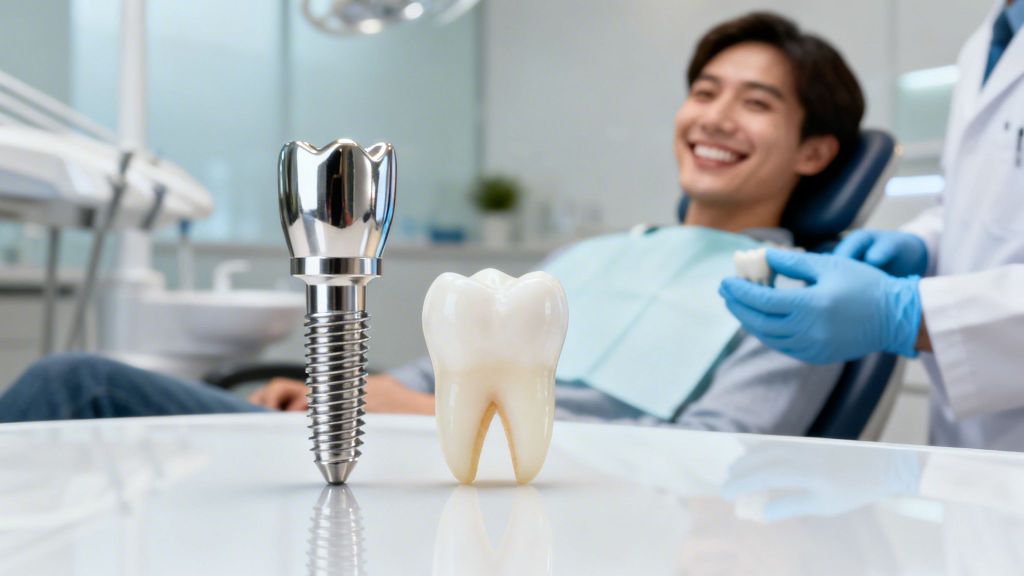
At The Dental Retreat, CBCT and 3D imaging technology allow us to examine the jawbone in remarkable detail. These images provide valuable information about:
Bone height
Bone width
Bone density
Anatomical structures
Implant placement opportunities
This detailed information helps create a highly customized treatment plan while improving precision and predictability.
For patients, it also provides a clearer understanding of their oral health and treatment options.
Bone Health Supports Long-Term Stability
The goal of dental implant treatment isn’t simply to place an implant. The goal is to create a stable, long-lasting solution that supports your smile for years to come.
Healthy bone plays a major role in achieving that outcome.
When an implant successfully integrates with strong surrounding bone, patients often enjoy exceptional function, comfort, and stability.
The connection between the implant and jawbone creates the foundation that allows patients to eat, speak, and smile confidently.
This stability is one of the reasons dental implants are widely considered one of the most effective tooth replacement solutions available today.
Dental Implants Help Preserve Bone
One of the unique benefits of dental implants is their ability to help maintain bone health after tooth loss.
Because implants function similarly to natural tooth roots, they continue providing stimulation to the jawbone during normal daily activities.
This stimulation helps support the bone and may reduce the ongoing bone loss that often occurs after a tooth is lost.
In other words, dental implants don’t just rely on healthy bone—they can also help preserve it.
This benefit makes them an important long-term solution for many patients seeking to maintain both oral function and facial support.
Healthy Gums and Healthy Bones Work Together
Bone health and gum health are closely connected.
Even when adequate bone is present, healthy gums are still essential for supporting long-term implant success. Gum tissue helps protect the underlying structures and creates a healthy environment around the implant restoration.
That’s why maintaining excellent oral hygiene before and after implant treatment is so important.
Routine dental visits, professional cleanings, and daily home care all contribute to protecting both the gums and the supporting bone.
The healthiest smiles are built on a combination of strong bone support and healthy surrounding tissues.

Why Timing Can Matter
Many patients delay replacing a missing tooth because they aren’t experiencing discomfort.
While this is understandable, waiting too long can sometimes make treatment planning more complex.
As bone changes occur over time, the available support for future implant placement may be affected.
This doesn’t mean implants aren’t possible, but it does highlight the importance of having a professional evaluation sooner rather than later.
A consultation allows your dentist to assess current conditions and discuss the options available based on your specific situation.
The Importance of Personalized Treatment Planning
No two patients have the exact same oral health history, anatomy, or treatment goals.
That’s why successful implant dentistry begins with personalized planning rather than a one-size-fits-all approach.
At The Dental Retreat, we use advanced imaging, comprehensive examinations, and detailed consultations to develop treatment plans tailored to each patient.
By understanding the condition of your jawbone and surrounding structures, we can create recommendations designed to support both immediate results and long-term success.
Our goal is to help patients make informed decisions with confidence and clarity.
Bone Health Is the Foundation of Implant Success
When people think about dental implants, they often focus on the final smile. While the restoration itself is certainly important, the real foundation of success lies beneath the surface.
Healthy bones provide the support, stability, and strength that allow dental implants to function like natural teeth. Understanding the role of bone health helps patients appreciate why thorough evaluations, advanced technology, and personalized treatment planning are such critical parts of the process.
At The Dental Retreat, we are committed to helping patients achieve lasting results through comprehensive implant evaluations and patient-centered care. By carefully assessing bone health and utilizing advanced diagnostic technology, we can develop customized treatment plans that support healthy, confident smiles for years to come.
If you’re considering dental implants service or would like to learn more about your options, our team is here to guide you through every step of the process and help you determine the best path toward restoring your smile.
The Dental Retreat
https://www.google.com/maps?cid=12091687882530918159
28047 Stockdick School Rd #200, Katy, TX 77493
(281) 717-6696
https://dentalretreattx.com/