Dreaming of a straighter smile but not eager to wear metal braces? You're not alone, and that hesitation is common in Katy, TX. Many adults and teens want a cleaner, more confident smile without drawing attention to treatment during work, school, or family events. That's where ClearCorrect can fit in, especially when you're comparing options at a trusted dentist in Katy, TX who understands both the clinical side and the personal side of orthodontic care.
At The Dental Retreat, patients from Sunterra, Cane Island, Katy Manor, Kingscrossing, Lakehouse, Marisol, The Grange, Anniston, Katy Lakes, Elyson, and Ventanna Lakes often want to know what clear correct before and after really looks like, and why the change happened. Photos are helpful, but the strategy behind them matters even more. A crowded smile, an overbite, or a crossbite doesn't improve by accident, it improves because the bite is mapped, monitored, and corrected with a plan that fits the patient's life.
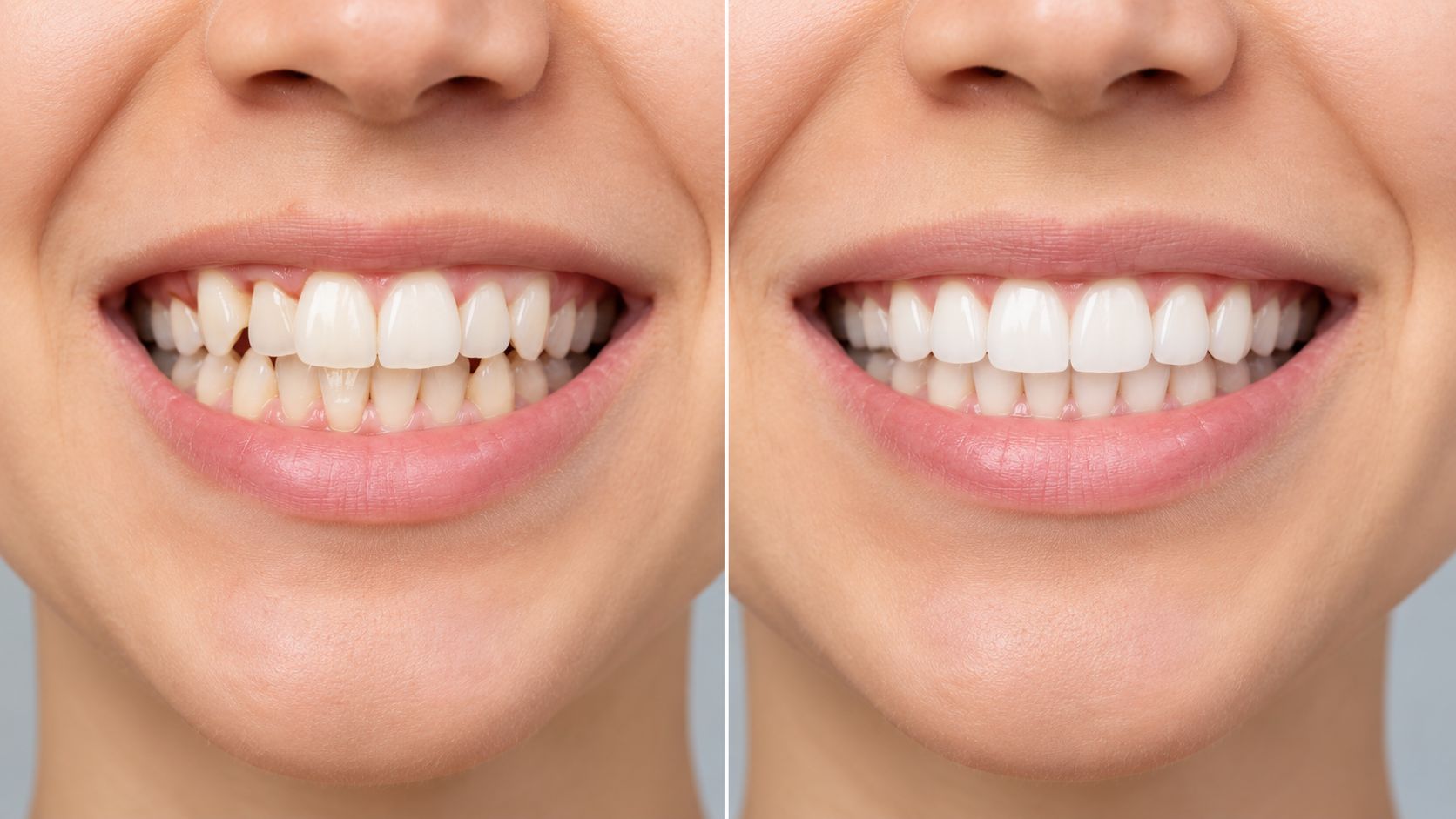
1. Severe Crowding Correction in Katy Manor
Crowded teeth are often the first reason people start searching for a cosmetic dentist near me. When teeth overlap, flossing gets harder, food traps more easily, and the smile can feel too tight or uneven. In one Katy Manor example, a 28-year-old marketing professional completed ClearCorrect treatment in 20 months and kept a polished look during client meetings, which is exactly why discreet aligners appeal to professionals who want orthodontic change without the look of braces.
Why crowding changes more than appearance
Crowding is not just a cosmetic issue. It can interfere with cleaning, and when teeth sit on top of each other, they're harder to brush and floss well. That makes the before and after especially meaningful, because the result isn't only straighter front teeth, it's a mouth that's easier to maintain long term.
ClearCorrect works by guiding teeth in stages, not all at once. That makes consistency matter. Patients do best when they wear aligners as directed, clean them daily with lukewarm water and a soft toothbrush, and keep them in the case when they're not in use. In real life, that kind of routine is what protects progress between visits.
Practical rule: crowded teeth can look simple in photos, but the treatment plan has to respect spacing, bite fit, and daily wear habits or the result won't hold.
For a plain-language explanation of how that movement happens, The Dental Retreat's guide to how clear aligners move teeth is worth reading before treatment starts.
2. Overbite Correction for Better Bite Balance
An overbite can make the lower front teeth feel trapped behind the upper teeth, and that often changes how people chew and speak. A 32-year-old teacher from Katy Lakes presented with 8 mm overjet and jaw clicking, then completed treatment in 24 months with a better bite relationship and no clicking after correction. That's a real example of why a before and after photo needs context, because the visible improvement was tied to function, not just appearance.
Why bite correction matters before the joints complain
Overbites can create uneven wear on teeth and extra strain during chewing. For families in Kingscrossing and Lakehouse, that matters because waiting too long can turn a manageable orthodontic issue into a more complicated dental problem. ClearCorrect can help shift teeth into a healthier relationship, but the process is slower than closing small gaps, and that's normal.
The best results come from patience and careful monitoring. Skipped wear time slows progress, and one missed day can affect the pace of correction. Patients who do well usually understand that bite correction is a marathon, not a quick cosmetic touch-up.
After treatment, retention becomes part of the plan. Teeth can drift back if they aren't held in place, so the after photo is only the start of the long-term story. That's especially important for adults who want their improvement to last through work, travel, and everyday life in Katy.
3. Underbite Reversal in Ventanna Lakes
An underbite can be more complex than a crowding case because the lower teeth sit ahead of the upper teeth. A 26-year-old in Ventanna Lakes completed a 28-month ClearCorrect course and avoided a surgical referral, which is a powerful example for patients who've assumed their bite is too complicated for aligners. The before and after matters here because the change affected facial balance as well as chewing.
Here's the video example to watch with that in mind.
What makes underbites different
Underbites often involve skeletal patterns, childhood habits, or tongue thrust, so the correction has to be sequenced carefully. A 38-year-old in Anniston finished treatment in 26 months and reported better chewing efficiency and more confidence in professional photos. That kind of outcome helps patients see that aligners can support both function and appearance when the bite is planned thoughtfully.
Patients should expect the change to feel gradual. Some speech changes can happen early as the teeth begin to move, but those shifts usually settle as the mouth adapts. Consistent aligner wear matters even more in underbite cases because the force has to stay steady.
A few habits help keep progress on track:
- Track wear carefully. Aligners need to stay in for the recommended time each day so movement stays predictable.
- Watch tongue posture. Tongue thrust can work against correction if it isn't addressed.
- Respect the retainer phase. Underbites have a stronger tendency to relapse if retention slips.
The visible part of treatment is only one piece. The functional improvement is often what patients notice most after they're no longer thinking about whether the bite feels off.
4. Open Bite Closure for More Functional Front Teeth Contact
An open bite is easy to spot because the front teeth don't meet when the back teeth close. A 24-year-old in Katy Manor had residual open bite from childhood thumb-sucking, completed ClearCorrect in 24 months, and said professional presentations felt easier afterward. That's the kind of before and after that goes beyond aesthetics, because front teeth that contact properly can improve chewing and speech clarity too.
Why open bites need habit awareness
Thumb-sucking history, tongue thrust, and muscle patterns can all contribute to an open bite. If those habits aren't addressed, the teeth can move but the problem can return. That's why open bite treatment works best when the dentist looks at both the bite and the behavior behind it.
A 31-year-old in Lakehouse completed treatment in 26 months for a 5 mm open bite and speech concerns, and speech therapy supported the orthodontic work. That combination makes sense clinically, because teeth movement and oral function often need to improve together. Open bite correction also requires strict aligner wear, since vertical changes are sensitive to inconsistency.
The cleanest before and after photos don't tell the whole story. The real success is when the front teeth meet the way they should and the bite feels natural again.
Patients should also be honest about jaw discomfort during treatment. Vertical movement can stress the joints early on, and that's something a dentist should monitor. A well-run plan keeps the patient comfortable while the mouth adjusts to a new, more functional position.
5. Crossbite Correction for Better Side-to-Side Contact
A crossbite can be subtle at first, especially when only one side is affected. A 19-year-old in Elyson corrected a right-sided posterior crossbite in 18 months, and the jaw pain he'd dealt with for years resolved within weeks after treatment ended. That before and after shows why crossbites deserve attention early, not just because of the smile line, but because they can affect the way the jaw grows and works.
What a crossbite can do over time
Crossbites can lead to uneven wear and chronic jaw strain. In adults and children alike, one-sided chewing is a clue that something may be off. Families in The Grange and Kingscrossing often ask about this because a crossbite can look minor while still creating a real functional problem.
ClearCorrect can help expand the upper arch and guide the teeth into proper contact. Mild discomfort during expansion is normal, and it usually passes as the teeth settle. What matters is keeping the aligners on schedule and reporting significant changes early.
A 47-year-old in Ventanna Lakes also experienced significant relief from tension headaches after the bite was normalized. That kind of result reminds patients that orthodontic care isn't only about straight teeth, it's about easing strain that may have been ignored for years.
6. Relapse Correction After Previous Braces
Some patients come in saying, “I already had braces once.” That's a real and common story. A 41-year-old in Katy Manor had braces at 14, then developed crowding again by age 38 after not wearing retainers consistently. ClearCorrect re-correction took 16 months and produced a better bite relationship than the original treatment, which is a strong reminder that relapse can be treated discreetly and effectively in adulthood.
Why old results can drift
Teeth don't stay put on their own. If retainers aren't worn, mild movement can slowly become obvious crowding or bite change. That's why the after phase matters as much as the active treatment, because retention is what protects the result you worked for.
A 56-year-old in Sunterra wanted a refreshed smile for family events and finished a discreet 14-month course after prior braces had relapsed. That kind of case is especially relatable for adults who feel frustrated that a past orthodontic investment didn't hold. The goal isn't to start over emotionally, it's to correct what shifted and build a plan that lasts.
The Dental Retreat's treatment timeline for clear aligner therapy is helpful for patients who want to understand how a mature treatment plan is paced from start to finish. Regular bite checks and lifelong retention habits matter here, especially if old habits like tongue thrust or nail-biting are still present.
7. Comprehensive Smile Makeover With Whitening and Alignment
Sometimes the best before and after result isn't just straighter teeth, it's a more complete smile transformation. A 35-year-old in Kingscrossing completed 18 months of ClearCorrect, had professional Zoom whitening during month 12, and received two anterior veneers at the end. That combination improved alignment, color, and front-tooth shape all at once, which is why clear aligners can serve as the foundation for broader cosmetic dentistry.
Why alignment comes first in a makeover
A smile makeover works best when tooth position is corrected before cosmetic details are added. If alignment is off, whitening and bonding can only do so much. Once the teeth are in the right place, the finishing work looks cleaner and lasts better.
A 29-year-old in The Grange combined ClearCorrect, whitening, and composite bonding over 20 months for a wedding-ready result. That's a good example of how a patient can build a plan around life events without rushing the process. The before and after is stronger because each step supported the next one.
Patients in Lakehouse and Elyson often want this type of full-scope result because they're not just looking for straighter teeth. They want a smile that looks healthier, brighter, and more balanced in photos, meetings, and daily life. ClearCorrect can make that possible when it's paired with a thoughtful cosmetic plan.
ClearCorrect Before and After: 7 Case Comparisons
| Case | Implementation complexity | Resource requirements | Expected outcomes | Ideal use cases | Key advantages |
|---|---|---|---|---|---|
| Severe Crowding Correction: From Overlapped Teeth to Aligned Smile | Moderate–High: sequential multi-tooth movements | Custom 3D planning, many aligner trays, 18–24 months, regular check-ups | Proper spacing and alignment; improved hygiene and aesthetics | Adults with moderate to severe anterior crowding seeking discreet treatment | Nearly invisible, removable, improved oral hygiene vs braces |
| Overbite Correction: Recessive Lower Jaw to Balanced Bite | High: anterior‑posterior repositioning and bite staging | Digital AP planning, attachments/elastics possible, 20–28 months, monitoring TMJ | Reduced overjet, improved bite mechanics, less tooth wear and jaw strain | Patients with pronounced overjet who want non‑surgical correction of mild–moderate cases | Low‑profile non‑invasive alternative to surgery; reduces wear and joint stress |
| Underbite Reversal: Lower Front Teeth Protruding Forward to Normal Bite | Very High: complex 3D movements, simultaneous upper/lower changes | Advanced digital planning, longer series of trays, 24–32 months, possible adjuncts | Normalized overjet and improved function/profile (if dental component) | Adults with mild–moderate underbite preferring discreet option; some cases avoid surgery | Discreet correction of visible reverse overjet; can avoid surgery in many dental cases |
| Open Bite Closure: Front Teeth Failing to Overlap to Functional Contact | High: precise vertical control and habit management | Intrusion/extrusion mechanics, habit/tongue therapy, 22–26 months, close monitoring | Closed anterior bite, restored chewing and improved speech | Patients with dental/open‑bite from habits or mild skeletal causes | Restores function and speech; non‑surgical for dental open bites |
| Crossbite Correction: Single Tooth Bite Misalignment to Proper Lateral Contact | Moderate: lateral expansion and buccal‑lingual positioning | Arch expansion planning, 16–20 months, retention phase | Corrected posterior contacts, improved chewing, prevents asymmetry | Early intervention in posterior crossbites, younger patients and families | High success in dental crossbites; prevents jaw asymmetry and uneven wear |
| Relapse Correction: Re-alignment After Previous Orthodontic Treatment | Low–Moderate: targeted tooth movements | Shorter aligner course, digital scan history review, 14–18 months, strong retention plan | Re‑aligned teeth faster than original treatment | Adults with orthodontic relapse who want discreet re‑treatment | Faster treatment, discreet, often achieves improved final outcome |
| Comprehensive Smile Makeover: Multi-Directional Alignment with Cosmetic Enhancement | High: coordinated multi‑phase cosmetic and orthodontic workflow | Clear aligners + whitening/bonding/veneers, digital smile design, 20+ months, multi‑provider coordination | Full aesthetic transformation: alignment, color and shape optimized | Adults seeking complete cosmetic smile transformation alongside alignment | Integrated planning creates optimal foundation for restorations; cohesive final esthetics |
Your Clear Path to a Confident Smile in Katy
These clear correct before and after stories show something important. ClearCorrect can improve crowding, overbites, underbites, open bites, crossbites, relapse, and complete smile makeovers, but the outcome depends on careful planning, consistent wear, and realistic expectations. A good result is never just about a pretty picture, it's about bite function, oral health, and a result that fits the patient's life in Katy, TX.
That's where a local, patient-centered approach makes a real difference. At The Dental Retreat, we look at the whole smile, not just the teeth you notice first. For patients in Sunterra, Cane Island, Katy Manor, Kingscrossing, Lakehouse, Marisol, The Grange, Anniston, Katy Lakes, Elyson, and Ventanna Lakes, the conversation often starts with a simple question, “What can my smile become?” From there, we can map a treatment plan that fits the bite, the timeline, and the level of change you want.
ClearCorrect is especially appealing for adults who want discreet treatment while keeping up with work, family, and social life. It also pairs well with whitening, bonding, and veneers when the goal is a fuller smile transformation. If you've been putting off treatment because you're worried about visibility, comfort, or complexity, a consultation can give you clearer answers without pressure.
A strong smile plan starts with an exam, a discussion of goals, and an honest look at what's possible. If you're searching for a dentist near me who can explain ClearCorrect in plain language and help you decide whether aligners are right for you, The Dental Retreat is ready to help.
A CTA for The Dental Retreat.