You notice a little pink in the sink after brushing, or your gums feel sore around one tooth. Maybe you're in Sunterra, Elyson, or another Katy neighborhood and wondering whether the irritation will settle down on its own. Bleeding gums are a reason to pay attention, not a reason to panic. Early care can often stop a daily plaque problem from becoming a more serious periodontal condition.
If you're searching for a dentist near me or a dentist in Katy, TX, prevention should be part of that conversation. At The Dental Retreat on Stockdick School Rd., the focus is on practical home care, appropriate cleaning and exams, and personalized guidance before gum problems begin affecting comfort, function, or the teeth supporting your smile.
Why Gum Disease Is a Daily Concern in Katy
A parent in Katy Manor may notice blood while helping a child brush. An adult in Ventanna Lakes may see redness along the gum line without feeling pain. Gum disease can develop without obvious signs, so the absence of discomfort does not confirm that gums are healthy. The Centers for Disease Control and Prevention reports that about 42% of U.S. adults age 30 and older have periodontitis, with prevalence rising to about 60% among adults 65 and older. The CDC overview of periodontal disease explains that gingivitis can be prevented and reversed through effective oral hygiene and professional care when needed.
The process often starts with plaque, a sticky bacterial film that gathers around teeth and the gum line. If cleaning leaves plaque behind, gums may become red, tender, or likely to bleed. Better plaque control can improve gingivitis, while untreated inflammation may progress to periodontitis and damage the tissues and bone supporting the teeth.
Practical rule: Healthy gums require small cleaning habits repeated every day, not one excellent appointment.
Severe periodontal disease affects people worldwide, so prevention matters for families in Cane Island, Lakehouse, Marisol, The Grange, Anniston, Katy Lakes, Kingscrossing, and other Katy communities. The World Health Organization estimates that severe periodontal diseases affect more than 1 billion people worldwide, as reported in its oral health fact sheet.
Prevention is a daily maintenance issue with two parts: consistent plaque control and attention to personal risk factors. Brushing twice daily, cleaning between teeth daily, attending professional appointments, and discussing risks with a dental team create a practical starting point. At The Dental Retreat on Stockdick School Rd., professional exams and cleanings can identify areas that home care is missing and help tailor recommendations to each patient. The routine should remain simple enough to follow and flexible enough to adjust as gum health changes.
Build a Daily Home Care Routine That Actually Works
A routine succeeds when it fits ordinary mornings and evenings, reaches the gum line, and covers the spaces between teeth. Consistency matters more than buying a costly brush or trying to clean perfectly once in a while.
Start with the surfaces you can see
Brush twice a day with fluoride toothpaste for about two minutes. The NHS tooth-cleaning guidance recommends cleaning every tooth surface during that time. The UK government oral hygiene toolkit also emphasizes the teeth, gum line, gingival crevice, and areas between teeth.
Use a soft brush with light pressure. Angle the bristles toward the gum line and make controlled movements rather than scrubbing hard from side to side. A powered toothbrush may help if plaque removal is difficult or hand control is limited. It cannot correct rushed brushing or missed areas.
Clean between teeth once a day
Floss or use another interdental cleaner once daily. The American Dental Association's flossing guidance recommends gently rubbing the floss, curving it into a C shape against each tooth, and avoiding a snapping motion into the gums.
Move the floss below the contact point, wrap it around one tooth, and slide it up and down along the tooth's side. Repeat against the neighboring tooth before moving to the next space. Where there is enough room, an interdental brush may remove plaque more effectively than thin floss. Your hygienist can help select the right size. A brush that is too small may leave plaque behind, while one that is too large can cause discomfort.
At The Dental Retreat on Stockdick School Rd., your hygienist can check whether your chosen method fits your gum spaces, restorations, or other needs.
Decide whether a rinse belongs in your routine
Mouthwash supports brushing and interdental cleaning, but does not replace either one. The ADA home-care recommendations note that antimicrobial toothpaste or mouth rinse may be considered for patients with higher risk. Some rinses can reduce gingivitis. Chlorhexidine is generally used for a limited period because it can cause side effects and is usually recommended for up to two weeks, as described in this NCBI clinical review of gingivitis prevention.

A practical order is interdental cleaning first, brushing second, and any dentist-recommended rinse afterward. If another order helps you stay consistent, use it. Complete plaque disruption every day remains the priority.
Here's a visual demonstration of the brushing and cleaning approach:
Why Brushing Alone Is Not Enough
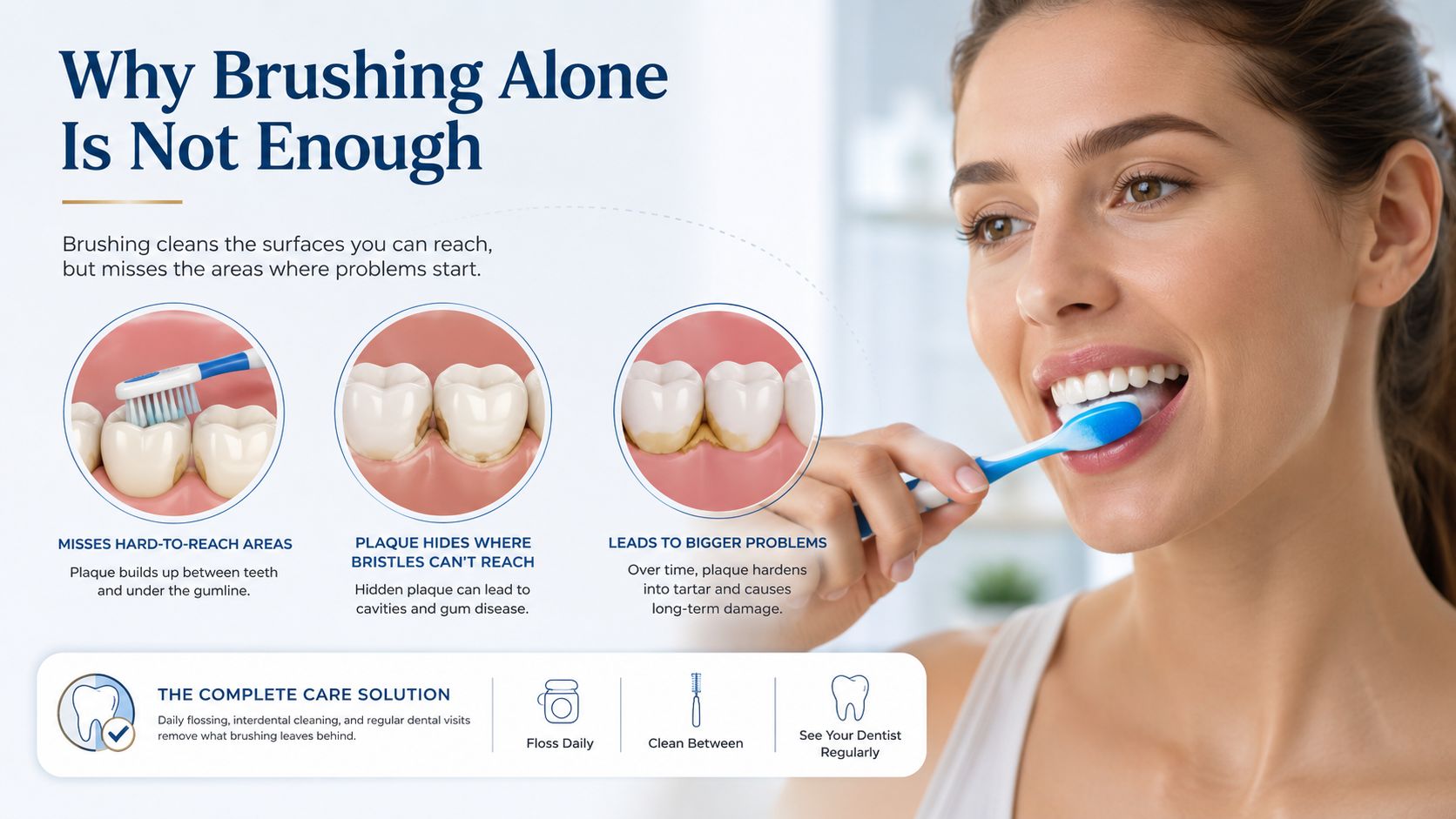
A patient may brush carefully morning and night yet still notice bleeding between the teeth. Brushing cleans the broad outer, inner, and chewing surfaces, but it cannot reliably reach tight contacts or the contours just below the gum line. Those sheltered areas can retain plaque and keep inflammation active.
The CDC periodontal prevention guidance places plaque control at the start of prevention. Gingivitis does not develop when bacterial plaque is absent, and periodontitis does not develop when gingivitis is prevented. Daily cleaning therefore matters before inflammation progresses to deeper tissue and bone changes.
The interdental gap is the common weak point
A network meta-analysis found that interdental brushes reduced plaque more effectively than a manual toothbrush alone. Comparisons between manual and powered toothbrushes often showed no clear clinical difference. A powered brush can still be helpful, but the cleaning method between the teeth may matter more when interdental biofilm is the problem.
Choose the tool for the space. Use floss where contacts are tight. Use an interdental brush for wider spaces, around orthodontic appliances, or near certain restorations. A water flosser can suit some patients, provided it is selected and used correctly rather than treated as a universal replacement.
Technique determines whether the tool reaches the plaque. Curve floss into a C shape around each tooth and guide it gently along the side. Snapping it downward can injure tender tissue, while stopping short of the gum line leaves plaque behind. Review this guide on how to floss teeth correctly for a visual refresher, then ask the team at The Dental Retreat on Stockdick School Rd. to check your method and recommend a better fit if needed.
Gingivitis can often improve when daily plaque removal becomes consistent. Periodontitis requires a different response. Pockets, attachment loss, or bone changes call for professional periodontal treatment and ongoing maintenance. Persistent bleeding, swelling, recession, bad taste, or loose teeth warrants an exam instead of more forceful brushing.
Your Professional Cleaning and Checkup Schedule
Home care controls fresh plaque, while professional cleaning removes hardened tartar that brushing and interdental tools cannot. An exam also lets the team inspect areas that are difficult to see at home, assess gum conditions when appropriate, and identify changes before they become harder to manage.
A lower-risk adult with stable gums may follow a preventive recall schedule based on the exam findings. Some families plan regular visits during the year. Others need shorter intervals because plaque returns quickly, gum pockets remain active, or medical and tobacco factors affect healing.
Routine cleaning and periodontal maintenance are different
A routine cleaning supports preventive care when gum tissues are generally stable. Periodontal maintenance is designed for patients with a history of periodontal disease or findings that require closer monitoring after active treatment. Long-term maintenance can help preserve gum stability and limit tooth loss when patients attend as recommended and maintain plaque control at home.
Higher-risk patients may need periodontal maintenance every 3 months, along with consistent brushing and interdental cleaning. The appropriate interval depends on pocket measurements, bleeding, previous treatment, home-care results, and health history. Read our guide to periodontal maintenance frequency for more detail, then review the schedule with your dental team.
What to expect at The Dental Retreat
At The Dental Retreat on Stockdick School Rd., a preventive visit may include a health review, gum evaluation, dental X-rays when indicated, cleaning, and recommendations matched to your home routine. Patients without insurance can ask about the $99 new-patient exam with cleaning and X-rays.
This approach helps families in Cane Island, Kingscrossing, Lakehouse, and Anniston fit care into a busy week. Pain, swelling, or a sudden dental problem may require an emergency dentist visit instead of waiting for a routine cleaning.
The same office can coordinate restorative dentistry, tooth extraction, cosmetic dentistry, teeth whitening, or dental implants when clinically appropriate. Prevention remains the starting point because stable gums support later treatment decisions. Ask for a schedule that reflects your actual risk, not a routine chosen without examining your gums.
Risk Factors You Can Actually Control
Plaque control is the daily foundation, but gum disease prevention also depends on smoking, diabetes, diet, stress, and other factors that change how gum tissue responds. In Katy, the useful approach is to identify the risks that apply to you and adjust home care and professional follow-up accordingly.
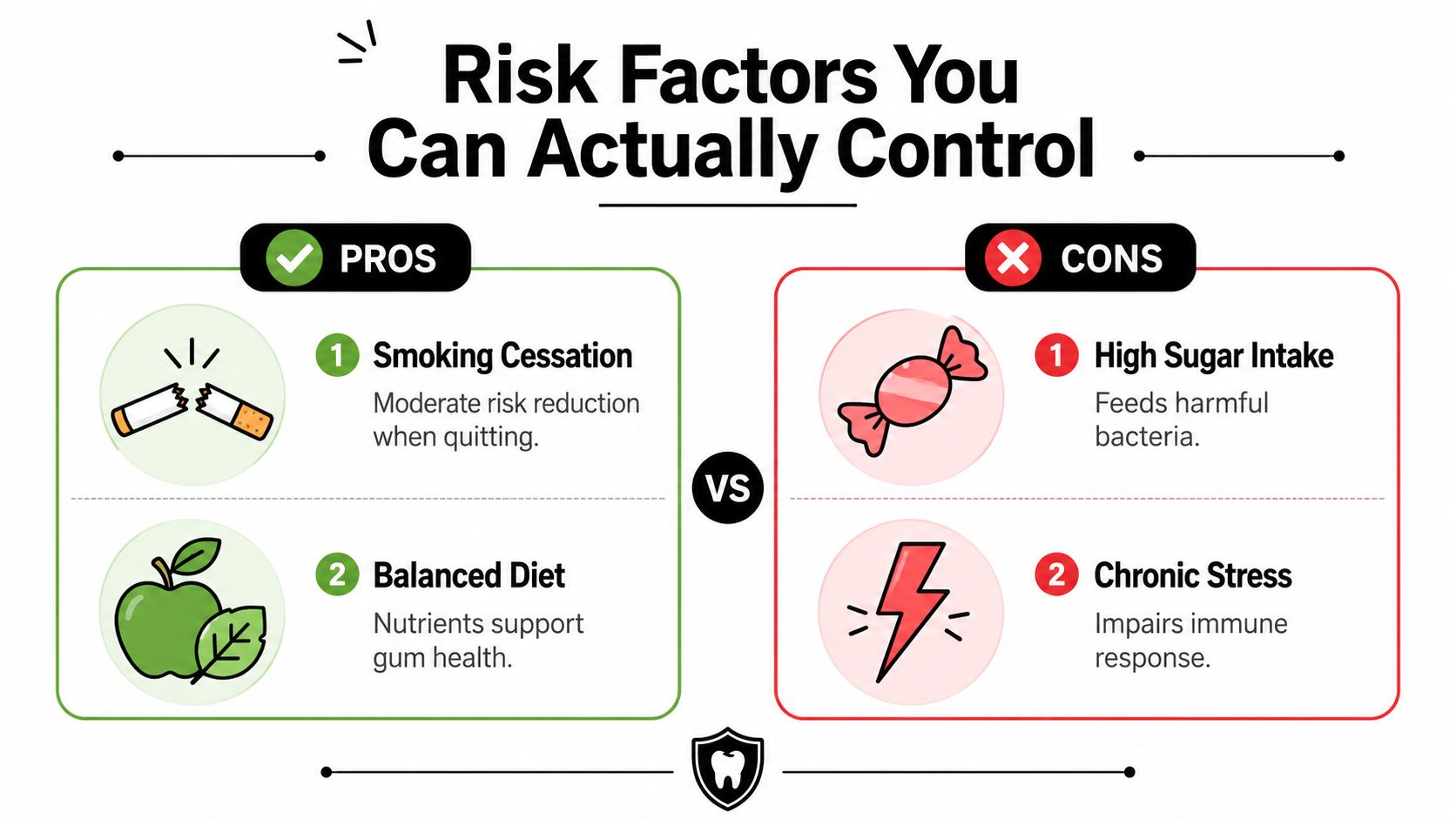
Smoking cessation is the clearest lifestyle priority. The European Federation of Periodontology describes quitting smoking as “perhaps the most important measure” for preventing gingivitis and periodontitis. Stopping does not replace brushing, cleaning between teeth, or dental visits, but it removes a major obstacle to healthier gum tissue and more predictable maintenance. Your dental team can also help you discuss cessation support with your medical provider.
Diet deserves a practical discussion rather than a list of forbidden foods. A 2024 systematic review found smoking cessation and dietary counseling had moderate to high effectiveness for periodontal outcomes, while findings for diabetes control, exercise, and sugar reduction were less consistent. The review is available in this systematic review of lifestyle interventions and periodontal health. Focus on eating patterns you can maintain and share relevant concerns during your dental visit.
Diabetes calls for closer coordination
People with diabetes may need a prevention plan built around their gum findings, medical follow-up, and home-care routine. After adjustment for sociodemographic factors and smoking, the CDC reported that people with diabetes were 39% more likely to have periodontal disease, with an adjusted odds ratio of 1.39 and a 95% confidence interval of 1.17 to 1.65 in its study of diabetes and periodontal disease. The same report found daily cleaning between teeth was less common in that group.
Diabetes does not make gum disease inevitable. It does make consistent plaque removal, medical follow-up, and dental recall more important. Tell the team at The Dental Retreat on Stockdick School Rd. about relevant health conditions and medications so recommendations match your actual risk rather than a generic checklist.
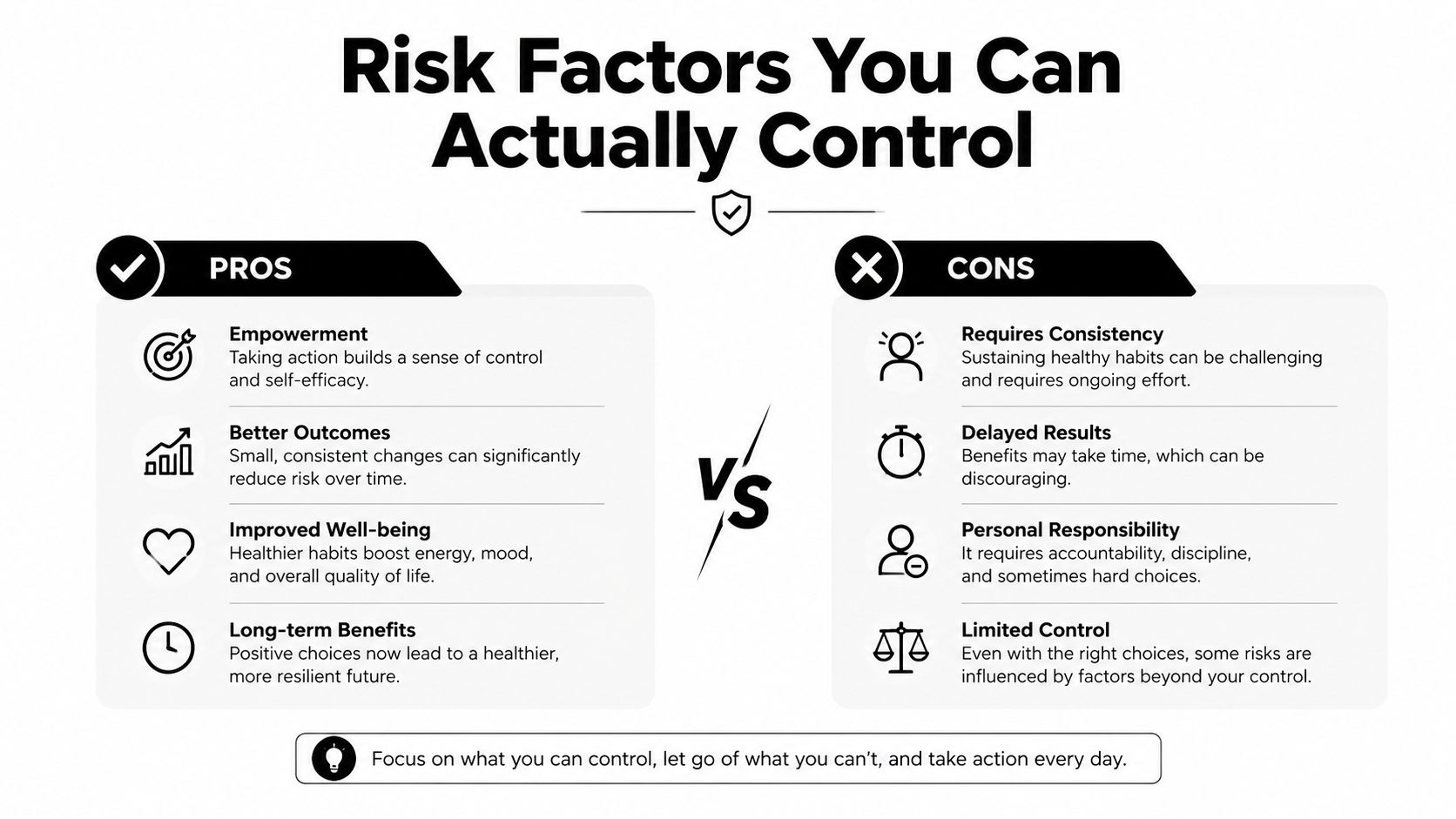
Stress can interfere with sleep, meals, smoking habits, and regular oral care. If your routine is slipping, simplify it and discuss the pattern at your next appointment. A short routine you repeat is more useful than an elaborate plan you cannot maintain.
Putting It All Together for Your Family
A Katy family can make prevention easier by assigning each habit to an existing part of the day:
- Morning: Brush with fluoride toothpaste for about two minutes, reaching the gum line and every tooth surface.
- Evening: Clean between teeth, then brush carefully before bed.
- During the week: Check whether floss or interdental brushes are reaching every space, especially around crowns, bridges, aligners, or crowded teeth.
- At recall: Follow the schedule recommended after your exam. Lower-risk adults may use a less frequent preventive pattern, while higher-risk patients may need periodontal maintenance every three months.
- For lifestyle risks: Prioritize smoking cessation and discuss diabetes, diet, medications, and other concerns with your dental and medical teams.
The Dental Retreat supports patients from Sunterra, Cane Island, Katy Manor, Kingscrossing, Lakehouse, Marisol, The Grange, Anniston, Katy Lakes, Elyson, and Ventanna Lakes with extended hours, bilingual care, sedation options for anxious patients, and membership plans starting at $299 per year for patients without insurance. A personalized exam turns general advice about how to prevent gum disease into a plan based on your gums, teeth, health history, and daily routine.
If you're noticing bleeding, tenderness, recession, persistent bad breath, or trouble keeping plaque under control, schedule a comprehensive visit with The Dental Retreat. The Katy team can provide cleaning and exams, X-rays when needed, periodontal maintenance, and coordinated care for tooth extraction, restorative treatment, cosmetic dentistry, or dental implants.